

Why Are More Airports Turning to Airport Steel Structure for Future-Ready Terminals?
2026-01-06
When I first started working closely with airport infrastructure projects, one thing became clear very quickly: airport construction is never just about buildings. It is about safety, passenger flow, long-term operation, and the ability to grow without disruption. That is where EIHE naturally entered the conversation, not as a loud brand introduction, but as a practical solution provider. In many of the projects I have been involved in, Airport Steel Structure systems have quietly become the backbone of modern airport design, solving problems that traditional construction methods struggle to address.
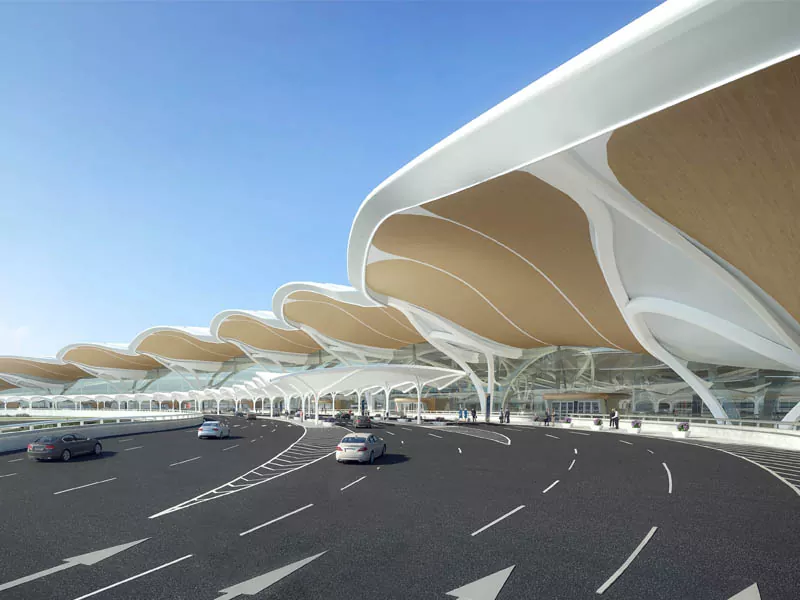
What Makes Airport Steel Structure a Smarter Choice for Modern Airports?
From my experience, airports face unique pressures that commercial or industrial buildings rarely encounter. Tight construction schedules, strict safety standards, and unpredictable future expansion needs all point toward one direction. Choosing Airport Steel Structure is less about following trends and more about making a rational, future-oriented decision.
- Shorter construction timelines without compromising quality
- High load-bearing capacity for large-span terminal roofs
- Consistent material performance under extreme weather conditions
- Flexibility for future expansion or redesign
How Does Airport Steel Structure Improve Construction Efficiency on Site?
One of the biggest pain points airport developers often share with me is on-site disruption. Airports rarely have the luxury of shutting down operations for construction. This is where Airport Steel Structure systems stand out. Prefabrication allows major components to be produced off-site, reducing noise, dust, and unexpected delays during installation.
I have seen projects where steel components arrived precisely labeled, pre-drilled, and ready for assembly. The result was fewer on-site adjustments and a smoother coordination between contractors, engineers, and airport authorities.
Why Is Structural Safety a Core Advantage of Airport Steel Structure?
Airports are public spaces with extremely high safety expectations. Structural integrity is not negotiable. In my projects, the reliability of Airport Steel Structure has consistently proven itself in seismic zones, coastal regions, and areas exposed to heavy snow or wind loads.
| Performance Aspect | Steel Structure Advantage |
|---|---|
| Seismic Resistance | High ductility helps absorb and dissipate energy |
| Wind Load Capacity | Stable framing systems support large-span roofs |
| Fire Protection | Compatible with advanced fireproof coating systems |
| Durability | Consistent performance over long service life |
Can Airport Steel Structure Support Flexible Terminal Design?
Passenger numbers change. Airline routes evolve. Security requirements are updated. One thing I always emphasize to airport planners is the importance of adaptability. A well-designed Airport Steel Structure allows terminals, hangars, and auxiliary buildings to be modified without extensive demolition.
Steel framing systems provide open interior spaces with fewer columns, giving architects more freedom to redesign layouts when passenger flow patterns shift. This flexibility often translates into long-term cost savings.
How Does Airport Steel Structure Contribute to Sustainable Airport Development?
Sustainability is no longer a marketing term. It is a requirement. In many discussions with developers, environmental impact has become a deciding factor. Airport Steel Structure aligns well with sustainable construction goals because steel is recyclable and production waste can be controlled more effectively than traditional materials.
- Reduced material waste through precise fabrication
- Lower on-site energy consumption during assembly
- Compatibility with energy-efficient roofing and facade systems
Why Do Global Developers Trust Airport Steel Structure Suppliers with Proven Experience?
Selecting the right structural system is only half the equation. Execution matters just as much. Over time, I have noticed that experienced suppliers like EIHE understand the real-world challenges airports face, from compliance requirements to coordination with multiple stakeholders. Their approach to Airport Steel Structure projects focuses on reliability, technical clarity, and long-term performance rather than short-term cost cutting.
Are You Ready to Build an Airport That Performs Today and Tomorrow?
If you are planning a new terminal, cargo facility, or airport expansion, choosing the right structural solution can define the project’s success for decades. A carefully engineered Airport Steel Structure offers strength, flexibility, and efficiency without compromising safety or aesthetics.
If you would like to discuss your project requirements, explore technical options, or receive a tailored proposal, we invite you to contact us today. Our team is ready to help you move forward with confidence and clarity.