

Which OLED Display Can Truly Solve Real Product Design Problems?
2026-04-02
When I evaluate display solutions for modern devices, I do not start with abstract specifications alone. I start with the user experience, the installation environment, the power budget, and the visual expectations of the final market. That is exactly where VICTRONIX DISPLAY CO., LTD gradually comes into view. In practical product development, a reliable OLED Display is not just a screen. It becomes the visual center of a device, the interface customers touch every day, and the component that often determines whether a product feels premium, clear, and easy to trust.
In many projects, I have seen buyers struggle with the same questions. Will the display remain sharp under different viewing angles? Will the module fit into a compact enclosure? Can the screen present clean graphics without forcing a complete redesign of the hardware? Can the supplier support stable quality and customization rather than only offering a catalog item? These are the real concerns behind the selection of an OLED Display, and they matter far more than decorative marketing language.
That is why I want to focus this article on practical value. Instead of repeating generic claims, I will explain how the right display choice can reduce design friction, improve end-user satisfaction, and support long-term product competitiveness. For brands building consumer electronics, smart control panels, handheld devices, home appliances, medical accessories, or compact industrial terminals, choosing a dependable OLED Display can directly affect readability, power use, product aesthetics, and even after-sales satisfaction.
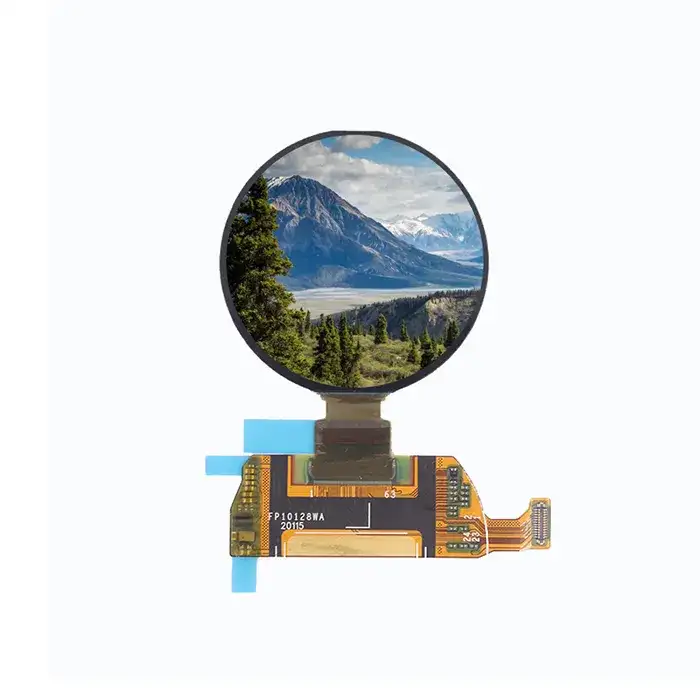
Why Do So Many Buyers Reconsider Their Display Choice Late in a Project?
I often notice that display selection looks simple at the beginning of a project and becomes complicated only when development moves forward. On paper, many display types may appear acceptable. In actual use, hidden issues show up quickly. The screen may be too dim for the application. The background may not look deep enough for a premium interface. The module may consume more power than the design team expected. The viewing angle may feel limited, especially when the product is handled casually rather than looked at straight on.
These late-stage problems cost time and money because the display is not an isolated part. It affects the enclosure, PCB layout, software interface, user perception, and sometimes even branding. When a product manager wants a cleaner interface and a more modern look, or when an engineer needs a compact display with clear contrast and efficient power behavior, a traditional option may stop meeting the real requirement. That is usually the moment when an OLED Display becomes a serious alternative rather than a nice idea.
I believe buyers reconsider their display choice late in the process for three main reasons:
- They first compare by price, but later discover performance gaps in actual use.
- They focus on basic dimensions, then realize readability and contrast matter more.
- They choose a standard module too early, then need customization support as the product evolves.
Once these issues surface, the discussion changes from “Which screen is cheapest?” to “Which solution helps the product succeed with fewer compromises?” That is a much better question.
How Can An OLED Display Improve The Experience Of A Finished Product?
The strength of a well-chosen OLED Display is not limited to appearance. Yes, the visual effect is often cleaner and more vivid, but the bigger advantage is how it helps the whole device feel more refined. In user-facing products, better contrast makes icons, text, and status indicators easier to interpret. In compact devices, lower structural burden can help designers create slimmer layouts or use space more efficiently. In battery-sensitive products, power behavior becomes an important factor when the interface design is optimized for practical use.
From my perspective, the improvement shows up in several layers at once:
- Visual clarity improves because interface elements appear more distinct.
- Perceived product quality increases because the display looks more modern and premium.
- Design flexibility becomes stronger because different shapes and display styles can support different product concepts.
- User trust grows because information is easier to read quickly and accurately.
That combination matters a lot in competitive markets. Customers do not usually buy a device because they admire the display specification sheet. They buy it because the product feels easier to use, looks better made, and communicates information more clearly. A display that supports those outcomes is doing real commercial work.
| Buyer Concern | What Buyers Want In Practice | How A Good OLED Solution Helps |
| Readability | Clear text and icons in daily use | High perceived contrast helps content stand out more clearly |
| Appearance | A cleaner, more premium product face | Sharper visual presentation supports a modern design language |
| Space efficiency | Better use of limited internal structure | Compact display options help fit smaller or more elegant designs |
| Customization | Modules suited to specific product requirements | Different formats and structures can support broader application needs |
| User perception | A product that feels intuitive and reliable | Better visual communication improves everyday interaction |
What Should I Actually Look At Before Choosing An OLED Display?
I never recommend choosing a module by one specification alone. A display may look impressive in a simple product list, yet still fail when matched against actual project needs. Before selecting an OLED Display, I prefer to evaluate the decision through a practical checklist that covers design, engineering, and supply concerns together.
Here is the framework I find most useful:
-
Display content type
Do I need simple characters, structured icons, or richer graphic output? The answer influences the most appropriate display category. -
Shape and interface design
Is the product front panel round, rectangular, or highly space-constrained? The physical format should support the industrial design rather than fight it. -
Viewing behavior
Will users see the device head-on, at an angle, while moving, or under different ambient conditions? Real viewing behavior matters more than ideal lab conditions. -
Power strategy
Is this a battery-powered application, a plugged-in control panel, or a mixed-use device? The answer affects how important display power behavior is. -
Integration requirements
Does the project require a standard module, or will it eventually need tailored mechanical or electrical adaptation? -
Supplier reliability
Can the supplier support consistent production, communication, and follow-up when the project scales?
These points may sound basic, but they prevent expensive mistakes. In my experience, the strongest sourcing decisions come from buyers who align display selection with application logic, not from buyers who chase a single advertised advantage.
Which Product Advantages Matter Most To Buyers Who Need Long-Term Value?
Not every buyer is looking for the same thing, but the most important advantages tend to repeat across industries. Some teams focus on visual impact because their products face end consumers directly. Others care more about structural compatibility or stable supply because their product line is wide and production planning is tight. For both groups, long-term value comes from choosing a display solution that supports product consistency, brand perception, and manageable development cycles.
When I compare options, I usually group real advantages like this:
| Advantage Area | Why It Matters To Buyers | Commercial Impact |
| Clear visual presentation | Users need fast, comfortable recognition of information | Helps improve usability and reduce complaints |
| Modern product appearance | Visual quality influences buying decisions | Supports brand positioning in competitive categories |
| Flexible form options | Different applications need different structures | Reduces design compromise during product development |
| Application adaptability | One supplier may need to support multiple product directions | Improves sourcing efficiency and project continuity |
| Stable supplier support | Projects change over time and need reliable communication | Helps lower risk in procurement and production planning |
For me, the most valuable display is not the one with the most aggressive marketing claim. It is the one that gives a buyer fewer headaches over the full life of a project. If a supplier can support a wider selection, stable manufacturing logic, and product formats that fit real market demand, that becomes a purchasing advantage rather than just a technical detail.
Where Can An OLED Display Create The Strongest Competitive Edge?
An OLED Display becomes especially useful when the product must look compact, clear, and premium without becoming difficult to use. I see this advantage most often in applications where space, appearance, and readability all matter at the same time.
Typical examples include:
- Smart home controllers that need clean, easy-to-read interfaces
- Portable electronics where compact size and efficient design matter
- Wearable or compact consumer devices that benefit from a refined visual effect
- Medical support devices and monitoring accessories that require clear information display
- Industrial handheld tools or control interfaces where readability affects operational confidence
- Appliances and electronic panels where better interface presentation raises product value
In these segments, the screen is not a minor part. It is part of the sales argument. A customer may not compare driver architecture or sourcing decisions, but they will notice whether the display looks clean, whether text is easy to read, and whether the interface gives the product a modern identity. That is why the display often contributes directly to differentiation.
If a buyer wants to move a product from functional to more competitive, upgrading the display path can be one of the most efficient ways to do it. The right module influences both engineering performance and market perception at the same time.
Why Does Supplier Capability Matter As Much As The Display Itself?
I have seen many projects slow down not because the display technology was wrong, but because the supplier relationship was weak. A good-looking screen alone is not enough. Buyers need consistent communication, predictable manufacturing support, and the ability to discuss real project needs instead of only receiving standard catalog replies.
This is where supplier capability becomes part of the value of the product itself. When I assess a display supplier, I want to know whether they understand application matching, whether they can guide selection across different module types, and whether they can support ongoing cooperation as the project moves from concept to production. That kind of support reduces friction in sourcing, development, and revision cycles.
For companies exploring OLED module sourcing, it is useful to work with a partner that presents a broad product direction and manufacturing orientation rather than a single isolated item. A supplier associated with a structured OLED product line gives buyers more room to compare options, align formats with use cases, and plan future product expansion more confidently. That is one reason why many professional buyers pay attention not only to the screen itself, but also to the responsiveness and product depth behind it.
How Do I Balance Price Pressure With Product Performance?
This is one of the most realistic questions in purchasing. Every buyer faces cost pressure, but I rarely see long-term success from choosing the lowest display cost without considering its effect on the final product. A display influences usability, visual quality, product identity, and customer perception. If a cheaper option creates a weaker interface experience, the apparent savings may disappear through slower sales, weaker brand positioning, or more service issues later.
I prefer to balance price and performance in this way:
- First, define what the display must achieve in actual use.
- Second, identify which features are essential and which are optional.
- Third, compare suppliers based on total project value rather than unit cost alone.
- Fourth, consider whether a better display helps the product sell at a stronger level.
In other words, I do not ask only, “How much does the module cost?” I also ask, “What does this display help the product become?” When an OLED Display contributes to a cleaner user interface, stronger product appeal, and a better fit for the target market, the sourcing decision becomes easier to justify.
What Makes A Buyer Feel More Confident About Moving Forward?
Confidence usually comes from clarity. Buyers move faster when they understand why a display fits their product, what options are available, and whether the supplier can respond to real project needs. That confidence grows when the communication is practical, the display categories are easier to compare, and the supplier appears ready to support not just inquiry, but execution.
For that reason, I believe the best purchasing journey is one that answers these questions clearly:
- Can I find a display format that suits my device design?
- Can I choose between different visual styles and structural directions without wasting time?
- Can the supplier help me narrow the right option based on application needs?
- Can this choice still support me when the project scales or changes later?
When those answers are positive, procurement becomes less risky. The decision is no longer based on guesswork. It is based on application fit, product logic, and supplier confidence.
Who Should I Talk To When I Need A Better OLED Display Solution?
If I were sourcing a display for a new product today, I would not wait until the project runs into interface problems. I would start the conversation earlier and ask targeted questions about format, application match, customization direction, and supply support. That is the smart way to avoid redesign costs and shorten the path from concept to launch.
If you are currently comparing module options and want a display that can help your product look clearer, feel more modern, and perform more confidently in real-world use, it makes sense to take a closer look at VICTRONIX DISPLAY CO., LTD. A carefully matched OLED Display can do much more than show information. It can strengthen product identity, improve user satisfaction, and support your business in a more competitive market.
If you are ready to evaluate the right solution for your project, contact us for product details, application guidance, and inquiry support. Tell us your device requirements, interface goals, and project expectations, and let us help you find an OLED Display solution that fits your design and your market more effectively.