

How Can a Building Materials Display Rack Turn Browsers Into Buyers?
2025-12-25
If you’ve ever watched customers pick up a tile sample, hesitate, then walk away, you already know the problem isn’t always the product. It’s often the presentation. Over the past few years, I’ve seen how a well-designed display system quietly “sells” on your behalf—especially when it’s built for heavy, awkward, high-touch samples like stone, flooring, boards, and panels. That’s why I started paying attention to what Zhongbo does in the showroom and retail fixture space, and why this article focuses on one core tool: the Building Materials Display Rack that helps customers compare faster, touch safely, and decide with confidence.
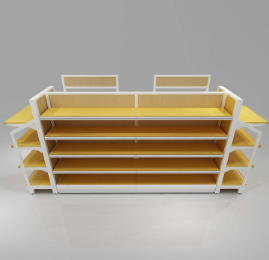
Why Do Building Material Samples Lose Sales When the Display Feels Messy?
Most building materials are “decision-heavy” products. People need to compare color, texture, thickness, finish, and edge detail under real lighting. When samples are stacked randomly or squeezed into a corner, customers feel friction:
- They can’t compare two options side-by-side without making a mess.
- They fear damage or dropping heavy pieces, so they touch less.
- They get overwhelmed and default to “I’ll think about it.”
- Staff get interrupted because the display doesn’t explain the range clearly.
In my experience, a good Building Materials Display Rack isn’t “just storage.” It’s a guided shopping path. It reduces decision fatigue and makes your products feel organized, premium, and trustworthy.
What Should a Building Materials Display Rack Do Better Than a Normal Shelf?
A normal shelf holds items. A purpose-built Building Materials Display Rack helps people evaluate. Here’s the difference I look for when planning a showroom layout or a dealer corner:
- Visibility so customers can spot categories quickly from a distance.
- Accessibility so heavy samples slide, flip, or pull out safely.
- Protection so corners, finishes, and edges don’t chip during browsing.
- Modularity so you can refresh displays seasonally without rebuilding everything.
- Branding space so your logo, category labels, and feature highlights sit where eyes naturally go.
When those pieces come together, your Building Materials Display Rack becomes a silent sales assistant—one that works every hour the lights are on.
Which Rack Styles Actually Fit Real-World Showrooms and Retail Floors?
I don’t believe there’s one “perfect” rack. The right choice depends on the materials you display, sample size, customer traffic, and how often you change collections. These are the formats I see performing best:
- Sliding panel displays for tiles, boards, and large-format surfaces where side-by-side comparison matters.
- A-frame or leaning displays for compact spaces that still need high visibility.
- Rotating displays for smaller samples that benefit from high density per square meter.
- Drawer-style pull-out systems for fragile finishes that need protection and controlled handling.
- Wall-mounted modular displays when floor space is limited and vertical merchandising is the priority.
What I like about choosing a specialized Building Materials Display Rack approach is that it lets you build a “display ecosystem” instead of forcing everything onto one generic fixture.
How Do I Evaluate a Building Materials Display Rack Without Guessing?
When I’m comparing rack options, I use a simple checklist that connects directly to customer behavior and staff workload. This is the framework I recommend:
| What I Check | Why It Matters in Daily Use | What “Good” Looks Like |
|---|---|---|
| Load capacity and stability | Heavy samples can warp frames and create safety risk | Wide base, reinforced structure, no wobble under browsing |
| Sample access method | If pulling samples is hard, customers stop touching | Smooth sliding, safe stopping points, easy grip zones |
| Surface protection | Chipped corners and scratched finishes kill perceived quality | Edge guards, separators, anti-scratch contact points |
| Space efficiency | Retail floors need density without feeling crowded | High display capacity with clean sightlines |
| Branding and labeling | Customers need guidance without staff explaining everything | Clear category headers, spec labels, logo placement |
| Modular expansion | Collections change and you don’t want to buy new racks each time | Add-on sections, interchangeable holders, easy reconfiguration |
This is exactly where a well-engineered Building Materials Display Rack stands out: not in a brochure, but in day-to-day browsing, cleaning, and restocking.
How Can a Better Display Rack Reduce Returns and Complaints?
Returns in building materials often come down to “it looked different in-store.” A smart display setup helps customers make a more accurate decision on the first try. Here’s what I’ve seen work:
- True-to-light viewing by spacing samples and avoiding shadow-heavy stacking.
- Clear spec labeling so customers remember what they chose (size, finish, series, code).
- Touch-friendly access so they feel texture instead of guessing from a distance.
- Cleaner samples because protected storage reduces scratches and dust buildup.
In other words, the right Building Materials Display Rack doesn’t just increase sales—it improves decision quality, which protects your reputation after the sale.
What Makes Zhongbo’s Approach Worth Considering for Long-Term Use?
I’m careful about fixtures because cheap racks become expensive fast—bent frames, broken holders, constant rearranging, and that “tired showroom” look that drags down perceived product value. What I appreciate about Zhongbo is the focus on practical display mechanics: stable structures, organized sample presentation, and formats that fit common building material categories without forcing awkward compromises.
When a display is designed around the reality of heavy, hard-edged samples, the whole environment feels calmer. Customers browse longer, staff spend less time “rescuing” the display, and your products look more premium without changing a single SKU. That’s the quiet advantage of upgrading your Building Materials Display Rack strategy.
How Do I Set Up a Display So Customers Naturally Move Toward a Purchase?
Even the best rack needs the right placement. If I were setting up a showroom corner tomorrow, this is the flow I’d use:
- Start with a “hero” section showing your top sellers or newest collection at eye level.
- Group by decision logic like color family, application (wall/floor), or finish (matte/gloss).
- Keep comparison distance short so customers can pivot between two choices without walking away.
- Add quick “why this matters” labels like stain resistance, anti-slip, or easy cleaning.
- Leave handling space so two people can browse without bumping into each other.
This layout style turns a Building Materials Display Rack into a guided experience—less clutter, more confidence, faster decisions.
What Should I Do If My Space Is Small but My Product Range Is Large?
Small spaces can still sell big collections if the display is designed for density without chaos. My go-to tactics:
- Use vertical display to keep floors open and sightlines clean.
- Choose multi-layer formats where samples slide or flip rather than stack.
- Rotate seasonal collections and keep the rest stored in protected backstock holders.
- Standardize sample sizes for cleaner alignment and easier customer comparison.
If you’re fighting limited space, a space-efficient Building Materials Display Rack can be the difference between “cramped warehouse vibe” and “compact showroom that feels curated.”
Ready to Upgrade the Way Your Materials Sell Themselves?
If you want your displays to look sharper, hold up to daily handling, and help customers choose faster, it’s worth taking a serious look at how your rack system is working right now. I’d start by identifying your most touched categories (tile, stone, flooring, panels) and matching each to a rack format that improves visibility and safe handling. If you’re exploring options with Zhongbo for a new Building Materials Display Rack setup, don’t overthink it—share your material type, sample size, and floor plan goals, and get recommendations that fit your real space. When you’re ready, contact us to request a quote or discuss a display plan that helps your products look as premium as they actually are.