

Water Packaging Bag Supplier: Your Guide to Quality and Reliability
2026-07-30
Choosing the right water packaging bag supplier can make or break your product's success. At Kody, we understand that quality and reliability aren't just buzzwords—they're the foundation of your brand's reputation. In this guide, we'll explore what truly matters when selecting a partner for your water packaging needs, and how the right choice can keep your product fresh, safe, and ready for market.
Why Material Choice Matters for Water Packaging
The material used for water packaging isn't just a container—it's a decisive factor in how the liquid inside behaves, tastes, and ultimately impacts the world around us. Unlike other products, water is highly reactive, easily absorbing flavors, chemicals, and even micro-particles from its surroundings. A packaging material that seems innocuous can gradually leach substances, altering the water's purity over time. Beyond safety, the material's weight, resilience, and lifecycle define its carbon footprint, from production to disposal. Glass, for example, is inert and endlessly recyclable but heavy to transport; plastics are lightweight yet pose recycling challenges and environmental persistence. Every choice along this spectrum is a trade-off between freshness, convenience, and ecological accountability, making the material selection far from trivial.
Delving deeper, the sensory experience hinges on the packaging material. Water stored in certain plastics may develop a faint off-taste due to acetaldehyde or antimony migration, especially under heat exposure. Even aluminum cans, often touted for their recyclability, require internal linings that can sometimes impart a metallic note if not perfectly engineered. This is why premium water brands often opt for glass or high-grade stainless steel—they preserve the crisp, neutral profile that discerning consumers expect. On the functionality side, material flexibility determines packaging formats: from collapsible pouches for outdoor excursions to rigid bottles for daily use, the material must balance barrier properties against oxygen ingress and structural integrity. Thus, the very identity of the water—its taste, shelf life, and user experience—is intertwined with the material envelope.
Today, material choice is becoming a moral statement. Single-use plastics dominate the market, yet their post-consumer fate—often oceans and landfills—has spurred a demand for smarter alternatives. Bioplastics derived from plants offer a reduced carbon footprint but may compete with food sources or break down only in industrial composters. Reusable models using durable materials like borosilicate glass or Tritan copolyester are gaining traction, though they require behavioral shifts. Innovators are even exploring edible packaging made from seaweed or algae, blurring the line between packaging and product. Ultimately, the material decision ripples through supply chains, local recycling infrastructures, and global ecosystems. It’s a complex equation where health, convenience, and planetary boundaries intersect, elevating a simple bottle into a critical design challenge.
Custom Designs That Fit Your Brand
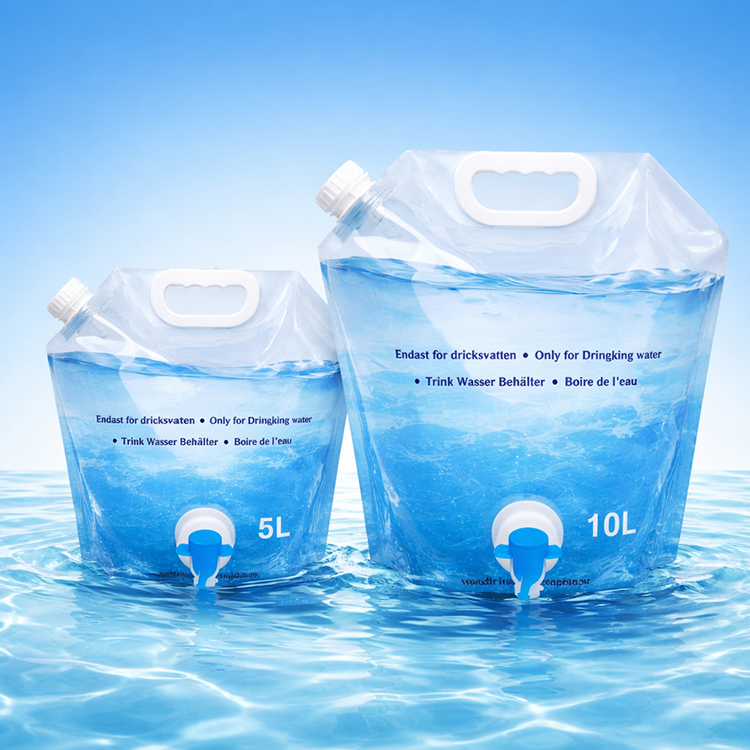
Your brand has a story, and every design element should echo it. We skip the cookie-cutter templates and dive straight into what makes your business unique—those little quirks and values that your audience connects with. From the color palette to the typography, everything is tailored to reflect your personality, not just a logo slapped onto a pre-made layout. It’s about creating a visual language that feels undeniably you, without needing a designer’s jargon to explain why it works.
Collaboration sits at the heart of our process. We listen more than we talk, because you know your brand better than anyone. Through honest conversations, we translate your ideas into designs that feel effortless yet intentional. Whether it’s a bold, modern aesthetic or something subtler and refined, we adapt to your vision—no pushing you into trends that don’t align. The result feels like a natural extension of your business, not a forced costume.
What sets us apart is the refusal to take shortcuts. Every detail is considered, from how the design breathes on a mobile screen to the texture of a business card in hand. We test, tweak, and obsess over the small things because those are what stick in people’s minds. You’ll walk away with assets that aren’t just pretty, but purposeful—tools that actually help you connect, sell, and grow without blending into the background noise.
Manufacturing Processes Behind Durable Bags
Crafting a bag that withstands daily wear starts long before the first stitch. The choice of materials dictates much of the process. Heavy-duty fabrics like ballistic nylon or waxed canvas are cut with laser precision or by skilled hands to minimize fraying and waste. Edges are carefully hemmed or bound, often with a double fold, to prevent unraveling over time. At stress points—corners, attachment loops—additional layers of fabric or webbing are fused or stitched in place. This stage isn’t about speed; it’s about building the bag’s core resistance.
The real test comes in assembly. Instead of simple lockstitches, manufacturers rely on reinforced techniques like boxed X-patterns or bar tacks at high-tension seams. Thread choice matters enormously—bonded nylon or polyester threads resist UV degradation and abrasion. Some makers use hot-air taping over internal seams, creating a waterproof barrier that also locks fibers in place. For zippers, self-healing coil zippers or chunky metal versions are secured with precise tension, ensuring they glide smoothly without catching on lining. Every junction is inspected under strain, sometimes manually, to catch weak spots before they become failures.
Finishing touches separate a good bag from a great one. Hardware—buckles, D-rings, sliders—is either die-cast from zinc alloy or machined from stainless steel, then anodized or powder-coated to banish corrosion. Rivets replace stitching in areas that endure constant pull, set with hydraulic presses to avoid cracking. A thorough quality-check cycle often includes load testing: bags are filled beyond capacity and shaken, lifted, or dropped repeatedly. Only after surviving these trials does a bag earn its durable label, leaving the factory floor ready for years of use rather than contributing to the throwaway cycle.
Quality Checks That Prevent Leaks and Tears
Every pouch undergoes a battery of tests that simulate real-world stress. From drop and impact assessments to seal integrity checks, we push materials to their limits. A single weak spot can compromise the entire package, so we inspect each layer—film, closure, and seams—under varying temperatures and pressures.
Our team doesn’t just rely on machines; tactile inspections catch what automated systems might miss. We run burst tests that overinflate pouches to pinpoint failure points before they ever reach a customer. This hands-on approach, combined with high-resolution vision systems, ensures that no pinhole or uneven seal escapes notice.
Prevention goes beyond the final product. Incoming materials are screened for micro-tears and inconsistencies, and in-process checks happen at every stage—slitting, laminating, and converting. This relentless focus means leaks and tears become a rarity, not a risk.
What to Look for in a Long-Term Supplier
Choosing a supplier who can stick with you through market shifts and growth spurts isn’t just about comparing price tags. You want a partner whose internal processes are resilient—someone who keeps their inventory buffers healthy and doesn’t flinch when raw material costs spike. Ask them how they’ve handled past disruptions: a supplier that openly shares their contingency playbook, without hiding behind vague promises, is one you can actually count on when your own deadlines are on the line.
Beyond the balance sheet, pay attention to how they communicate when things go sideways. Do they reach out with a fix before you even notice a delay? Or do they wait for you to chase them down? A long-term supplier should feel like an extension of your team, offering ideas for cost savings or design tweaks unprompted—not just taking orders. Run a small trial order and watch how they handle the logistics, the paperwork, and the inevitable hiccups. The ones who treat that trial like a live project, not a test, are the ones worth keeping.
Lastly, dig into their ethical practices and working conditions. This isn’t just about checking boxes; it’s about knowing your supply chain won’t blow up in your face over a labor rights scandal or an environmental mishap. A supplier with clean audits and a genuine commitment to ongoing improvement—where workers stick around for years and managers remember your name—can save you from costly reputation damage and keep your production humming for the long haul.
Balancing Cost and Performance in Bulk Orders
When placing bulk orders, the tension between cost savings and product quality often takes center stage. It's tempting to chase the lowest per-unit price, but sacrificing performance can backfire—especially if the items fail prematurely or don't meet expectations. A smarter approach is to evaluate the total cost of ownership: consider durability, maintenance requirements, and how the product fits into your operational workflow. Sometimes paying slightly more upfront yields long-term gains by reducing replacements and downtime.
One practical strategy is to segment your order based on criticality. For high-use or mission-critical components, opt for higher-tier items with proven reliability. For less demanding or disposable applications, a budget-friendly alternative might suffice. Engage with suppliers to negotiate volume discounts without compromising on key specifications—many are willing to customize offerings or provide samples for testing before full commitment.
Don’t overlook the hidden logistics costs that can tip the balance. Bulk orders often mean higher storage demands, potential spoilage, or obsolescence risks. Factor in shipping weight, warehouse space, and handling complexity. By mapping out the full lifecycle costs, you can strike a sound balance that protects both your budget and your operational performance.
FAQ
Focus on material quality, manufacturing standards, and consistent production. A supplier worth considering will provide documentation on material safety, offer customization options, and have a proven record of on-time delivery.
Yes, you'll find options like stand-up pouches, flat bags, and bag-in-box solutions. Materials vary from single-layer polyethylene to multi-layer laminates with barrier properties, depending on the water's intended use and shelf life.
Certifications give you confidence in the safety and quality of the packaging. Look for ISO, FDA, or EU food-grade compliance. These indicate that the supplier follows strict hygiene and production protocols.
Many suppliers offer design support, from artwork to structural packaging. They can incorporate your branding, choose the right spouts or caps, and suggest features like easy-tear notches or resealable zippers.
It varies widely—some suppliers accept orders as low as 5,000 units, while others require 50,000 or more. It often depends on whether you need custom printing or standard stock bags.
Check for high-barrier films that block oxygen and moisture. A reliable supplier will provide data on barrier performance and may offer samples for testing. Proper sealing and tamper-evident features are also critical.
Overlooking hidden costs like shipping or customization fees, not verifying lead times, and neglecting to request physical samples before bulk orders. Also, some buyers ignore the importance of after-sales support.
Pricing depends on materials, order volume, printing complexity, and add-ons like resealable zippers. Request quotes from multiple suppliers and compare total landed costs, not just unit prices, to make a fair assessment.
Conclusion
When selecting a water packaging bag supplier, the reliability of every bag starts with the materials used. High-grade, food-safe plastics and multi-layer films are non-negotiable to ensure liquid stays safely contained without contamination. Equally critical are the quality assurance procedures in place—advanced leak tests and tear resistance inspections must be standard to prevent failures. A trustworthy supplier will transparently share details of their material sourcing and their checking routines, giving you confidence that every shipment meets strict standards.
Beyond basic reliability, your brand deserves packaging that works as hard as you do. Look for a partner who offers custom design capabilities, from sizing to printing, so your bags reflect your identity while fitting your operational needs. The manufacturing process itself matters: advanced welding and sealing techniques directly contribute to durability. Finally, long-term partnerships hinge on balancing cost with performance. The right supplier helps you optimize bulk orders, suggesting material adjustments or design tweaks that cut waste without compromising quality. By focusing on these elements, you'll find a supplier that delivers consistent value and becomes an integral part of your business growth.
Contact Us
Contact Person: Cindy Lee
Email: [email protected]
Tel/WhatsApp: 8613622669331
Website: https://www.dgkody.com