

Vibration Plate Exporter Guide: Unlocking Global Fitness Equipment Opportunities
2026-11-16
The vibration plate market is booming, but success hinges on who you partner with. XINGBU isn't just another manufacturer—it's the supply chain accelerator behind some of the fastest-growing fitness brands. In this guide, we peel back the curtain on untapped export opportunities, compliance shortcuts, and how XINGBU’s agile production turns global logistics headaches into your competitive edge. Ready to stop chasing trends and start setting them?
The Silent Surge in Home Fitness Tech
It’s not the noisy gym chains or flashy influencer workouts driving the real shift — it’s the quiet, steady adoption of sensors, AI coaching, and connected gear that now monitors every rep, heartbeat, and recovery minute right from the living room. Bands that were once simple step counters have evolved into wrist-worn labs tracking blood oxygen, sleep cycles, and even stress levels in real time, feeding data into companion apps that adapt workout plans daily. Meanwhile, strength training has entered the chat: smart dumbbells and mirrors with form-correcting cameras have turned empty bedrooms into personal training studios, minus the intimidating audience.
This wave is less about replacing gyms and more about redefining accountability. Machines that log your reps automatically and adjust resistance on the fly remove the guesswork, while the social layer has gone subtle — leaderboards tucked inside headphones, silent challenges between friends who haven’t met in person for years. It’s fitness tech that doesn’t shout for attention but gradually becomes a habit, the kind you miss on rest days because the data gap feels oddly uncomfortable.
The surprising part isn’t the innovation itself; it’s how many people never saw it coming. While headlines chased the next big metaverse or wearable gimmick, a generation of exercisers quietly reimagined their relationship with movement — one calibration, one nightly readiness score, one invisible coach at a time. The hum of the treadmill hasn’t disappeared; it just learned your name.
Why Your Export Portfolio Needs Vibration Plates Now
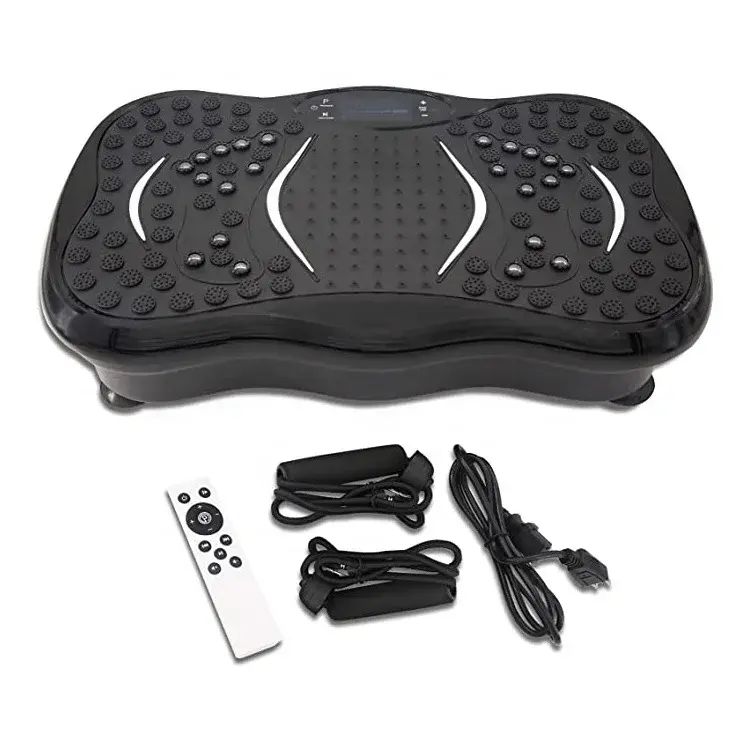
The global fitness recovery market is shifting beneath your feet. More buyers are skipping the crowded gym floor and investing in compact, high-return home equipment—and vibration plates are at the center of this quiet boom. For export portfolios still leaning on bulky treadmills or static strength machines, that presents a genuine timing risk. Adding vibration plates now lets you capture a wellness niche that bridges rehabilitation, athletic recovery, and everyday muscle activation—three spending categories that rarely dip even when consumer budgets tighten.
It’s also about standing out in distributor conversations. When you can offer a versatile, lightweight unit that appeals to physical therapists, boutique studios, and aging-at-home demographics all at once, your catalog stops looking like a generic lineup and starts solving cross-market procurement pain. Vibration plates give your trade partners a product with high perceived value yet straightforward logistics, which means faster shelf turnover and repeat orders. Waiting until saturation hits just leaves you playing catch-up on margins someone else already captured.
And let’s not overlook the innovation story you bring to the table. Many overseas buyers are tired of “next year’s model” being a color refresh. Vibration plates deliver a tangible upgrade in functionality: sonic vibration technology, app-integrated training programs, and zero-impact design that traditional gear can’t match. That story easily translates across language and cultural barriers, making your export portfolio not just more current, but more memorable when procurement teams are comparing offers.
Decoding International Demand Patterns
Making sense of global buying signals often starts with looking beyond the obvious sales figures. It means paying attention to which regions are quietly driving repeat purchases, where support tickets originate in clusters, and how seasonal shifts unfold differently across hemispheres. Patterns emerge in the way users ask questions, what features they request, and how they phrase their objections—each dialog carrying cultural weight that raw data alone can miss.
Another layer worth peeling back is regional adoption timing. A product that feels like a novelty in one market might already be treated as essential two thousand miles away. This doesn’t always correlate neatly with economic indicators; shared infrastructure, community norms, or even the presence of a local influencer can distort demand in ways that surprise headquarters. Spotting these quirks means setting aside center-of-the-world assumptions and building listening loops that treat every market as its own laboratory.
Then there’s the less glamorous but critical work of distinguishing noise from signal. Sudden spikes can be misleading—a single wholesaler’s order, a policy change, a competitor quietly exiting a niche. What matters are the sustained undercurrents: which questions are being asked not just once, but repeatedly, by unconnected people in separate cities. Tracking those murmurs helps shape supply chains, package localization, and support scripts before demand peaks hit the dashboard, turning subtle signs into reliable foresight.
Navigating Cross-Border Compliance Without the Headaches
Picture this: you're ready to expand into three new markets, but the compliance paperwork alone feels like it weighs more than your actual product. Each jurisdiction has its own reporting quirks, data handling laws, and filing deadlines that don't sync up. The headache isn't just real—it's practically a rite of passage. Yet, more and more companies are discovering that cross-border compliance doesn't have to be a soul‑crushing grind. It starts with acknowledging that the old playbook of chasing documents in frantic loops is broken—and there's a far better way.
The trick lies in weaving compliance into your operations instead of slapping it on as an afterthought. Instead of hiring a small army of consultants for every new country, smart teams set up a living framework: a centralized policy hub that maps out all regional requirements, paired with real‑time dashboards that flag gaps before they become fines. Technology does the heavy lifting, scanning regulatory updates across markets so your team can focus on decisions, not frantic Google searches. And when you absolutely need local nuance, partner with one or two on‑the‑ground experts who understand the unspoken expectations—think of them as navigators rather than hired guns.
If you treat cross‑border rules as strategic guardrails rather than barriers, the whole dynamic shifts. Compliance becomes part of your brand promise: a signal to customers that their data is safe and your supply chain is trustworthy. Internally, it forces you to streamline—fewer manual approvals, cleaner reporting, and a culture where transparency isn't just a buzzword. That's the real payoff: not just dodging penalties, but building an operation so coherent that market entry feels less like a gamble and more like a well‑worn path.
Forging Partnerships That Outlast Tariff Wars
Businesses that survive tariff wars aren’t the ones with the lowest shipping costs—they’re the ones who’ve built relationships strong enough to absorb the shocks. When duties spike overnight, it’s not contracts that save you, but the shared history and mutual understanding that make a partner willing to adjust terms, renegotiate timelines, or hold inventory a little longer. This kind of trust isn’t transactional; it’s forged over years of steady communication, transparent problem solving, and showing up for each other even when it’s inconvenient.
To build partnerships that outlast trade disruptions, companies must move past price haggling and dig into each other’s long-term ambitions. A supplier who knows your growth roadmap is more likely to reserve capacity for you when supply chains tighten. A distributor who trusts your brand won’t jump ship the moment a cheaper alternative appears. These bonds turn chaotic tariff landscapes into manageable hurdles, because both sides see the bigger picture—a shared market position that neither could hold alone.
The real test comes when the headlines turn ugly. In those moments, the partners who’ve invested in people, not just logistics, are the ones who stay. They remember the time you flew out to fix a quality issue together, or how you split an unexpected cost without being asked. That muscle memory of mutual support means that when tariffs threaten to tear old deals apart, both parties instinctively look for ways to stitch them back together—often stronger than before.
From Container to Customer: The Logistics Playbook
Every shipment tells a story that begins long before a box lands on a doorstep. It starts with the quiet choreography at the port, where containers are shuffled into place and paperwork clears customs like a whispered password. The real craft isn't just moving goods—it's anticipating the bottlenecks no one sees coming, rerouting before the delay ever happens.
Once the container hits the road, the playbook shifts to rhythm. Trucking routes are living things, adapting to weather, traffic, and warehouse cutoffs. The best operators blend old-school intuition with live data, knowing exactly when to push a driver for a tight delivery window and when to tap the brakes. It's in that balance that cargo stops being a tracking number and becomes a promise kept.
The final mile is where logistics earns its reputation. It's not just about speed—it's about handling a package like you might be the one opening it. That means clear communication when things go sideways, flexibility in where and how a delivery happens, and a genuine respect for the person on the other end of the chain. Real customer connection isn't built on smooth deliveries alone; it's forged in the moments when something goes wrong and the recovery feels effortless.
FAQ
Start by researching which countries have growing demand for home fitness equipment. Look into import regulations, local competition, and consumer preferences. A good place to begin is trade data or fitness industry reports that show rising interest in recovery and low-impact training tools.
Attending international fitness expos and joining B2B platforms specific to sports equipment helps. Build a professional profile that highlights your manufacturing standards and customization options. Test trade samples and be responsive to inquiries, as buyers appreciate quick, clear communication.
Commonly, buyers ask for CE marking for Europe, FCC for the U.S., and RoHS compliance. Some markets also want ISO 9001 for quality management. Having these ready reduces delays and shows you understand local safety expectations.
It depends on your resources. OEM can provide steady volume early on, while building a private brand tends to yield higher margins in the long run. Many exporters start with OEM to establish relationships, then gradually introduce their own product line as they gain market insight.
These items are bulky and heavy, so freight cost is a major factor. Partner with a freight forwarder experienced in fitness equipment to optimize container space. Also watch out for packaging that protects the motor and control panel during long sea shipments.
Focus on design details that improve user experience, like quieter motors or app connectivity. Offer multilingual user manuals and after-sales support. Quick turnaround on sample modifications and small-batch orders can also give you an edge with boutique distributors.
Conclusion
The shift toward home-based wellness has quietly reshaped global trade flows, and vibration plates sit at the heart of this transformation. Once relegated to niche physiotherapy clinics, these compact machines are now streaming into living rooms from Seoul to São Paulo, driven by a consumer hunger for time-efficient, low-impact exercise. Exporters who move quickly can ride a wave that shows no sign of cresting, particularly as remote work solidifies and aging populations seek joint-friendly alternatives. Demand signals from Europe lean heavily toward medical-grade specs and quiet motors, while Southeast Asian buyers chase sleek designs that double as decor. Understanding these regional quirks isn’t just helpful—it’s the difference between stagnant containers and repeat orders. The niche is far from saturated, and the data points to sustained double-digit growth in cross-border shipments for at least the next half-decade. Smart portfolio managers are already carving out space for vibration plates alongside traditional cardio gear, recognizing that the unit economics work beautifully when container space and freight costs are optimized.
Lining up certifications early turns a potential minefield into a routine checklist. Rather than wrestling with CE, FDA, or KC markings at the last minute, top exporters embed compliance into product development, using local testing labs for pre-approval and treating documentation as a living asset. This groundwork paves the way for partnerships that don’t crumble when tariffs shift. Distributors who see you as a problem-solver, not just a price list, will renegotiate terms and share market intelligence. Some forward-thinking firms even co-invest in regional service centres, swapping margin pressure for shared loyalty. Finally, the physical journey from factory floor to doorstep demands more than a freight forwarder. Smart logistics means staging inventory in bonded warehouses, using data to predict customs delays, and offering last-mile customization that local competitors can’t match. When you control the downstream experience—right down to user manuals in five languages—you stop being an anonymous supplier and start building a brand that outlasts policy shifts.
Contact Us
Contact Person: Hannah
Email: [email protected]
Tel/WhatsApp: +86 18266954198
Website: https://www.okmassager.com/