

Top Sewer Pipe Cleaning Machine Dealers Worth Your Trust
2026-09-06
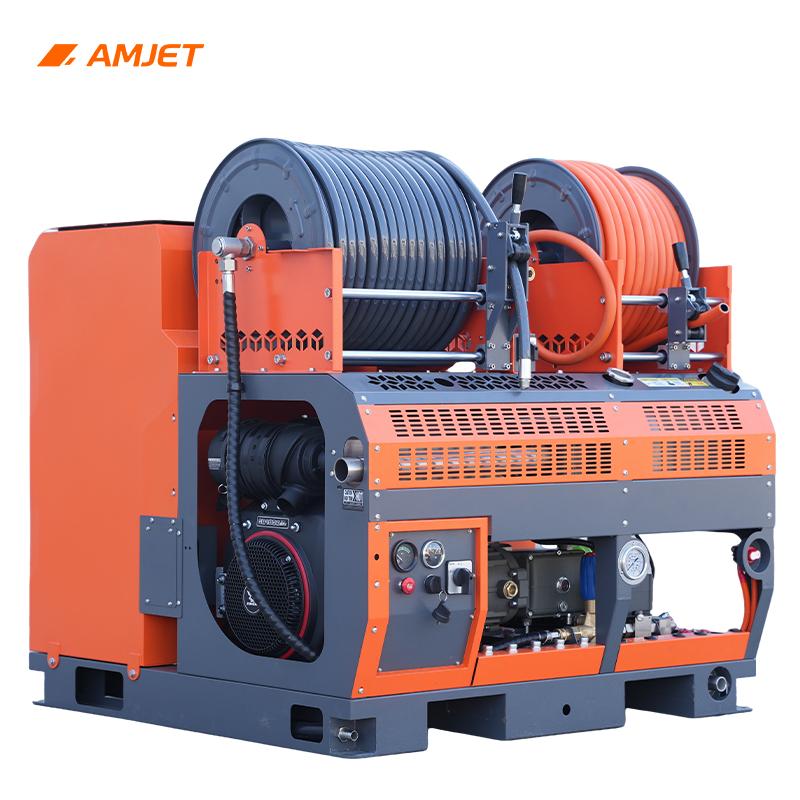
Finding a sewer pipe cleaning machine that won’t let you down is harder than it sounds. Too many dealers promise performance but deliver headaches. In this guide, we cut through the noise and spotlight the names that actually deserve your trust — including AMJET, a brand that consistently stands out for rugged reliability. Whether you’re tackling stubborn clogs or running a full-scale drain cleaning business, these dealers have earned their reputation. Let’s meet them.
Dealers Who Keep Replacement Parts on the Shelf, Not in a Catalog
Some operations still understand that a catalog is just paper—or pixels—until the part is actually within reach. The dealers worth your time are the ones with shelves that sag under the weight of real, physical components. You can hear the difference the moment you ask about a water pump or a bearing: there's no pause to check a screen, just a walk to the back and the clink of metal on metal.
These are the shops that order extra when a model gets long in the tooth, not because a computer told them to, but because they've seen the same failure enough times to know it'll happen again. They stock oddball gaskets, discontinued relays, and that one hose that everyone forgets until it splits. And they don't make you wait for a "next-day" shipment that might show up Thursday.
It's a different kind of confidence—the one that comes from having the part in your hand before the customer has even finished describing the noise. Catalogs are fine for browsing, but a real dealer knows that keeping inventory on the shelf is what turns a breakdown into a minor inconvenience instead of a week of phone calls.
What a Dealer's Own Service Truck Reveals About Their Priorities
A dealer's service truck is a rolling confession. Open the side doors and you'll see exactly where the money goes and where the excuses start. Neatly arranged wrench sets, labeled bins for fittings, and a diagnostic laptop that actually boots up on the first try tell you the shop hates sending a guy back twice for the same job. But a truck with a coffee cup collection on the dash, a greasy floor mat, and a parts shelf holding nothing but empty boxes usually means the customer is about to pay for someone else's poor planning.
The inventory tells an even sharper story. Some trucks carry only the basics—filters, belts, brake pads—because the dealer views field service as a band-aid until the machine can be hauled in. Others stock sensors, wiring harnesses, spare hoses, and even a few hydraulic fittings, which means the dealer expects to fix the problem on site, not just diagnose it. Look at the toolbox too. A dedicated drawer for torque wrenches, another for specialty sockets, and a laminated chart of common error codes suggest a technician who is trusted to finish the job correctly. Scattered tools and a missing 10mm socket say the priority is getting the truck out of the yard, not getting the customer running again.
Even the truck's age and upkeep are a quiet signal. A clean, well-lit service body with working compartment latches and a recent oil change sticker shows that the dealer treats aftersales support as a real revenue stream, not a nuisance. A rusted bumper, a cracked windshield, and a spare tire that's been flat since last winter suggest the same neglect will probably show up in your invoice. Customers notice these things faster than any slogan on the door panel.
Why the Best Dealers Ask About Your Pipe Material Before Quoting
A reputable dealer won't hand you a number until they know whether you're working with cast iron, PVC, copper, or galvanized steel. That question isn't small talk—it changes the entire cost structure. Different materials require different cutting blades, joining methods, and labor hours. A quote based on PVC might fall apart the moment the crew shows up to find 60-year-old cast iron that needs extra care just to remove.
Material also dictates code requirements, lifespan, and even how the pipe responds to your water chemistry. The best dealers ask upfront because an accurate quote protects both sides: you avoid surprise change orders mid-project, and they avoid sending a crew into a job they didn't bid correctly. If a dealer skips that question, you're probably looking at a placeholder number, not a real price.
The Difference Between a Reseller and a True Equipment Partner
A reseller moves boxes. They take an order, process a payment, and ship a machine. Once the invoice clears, their job is done. If something breaks, they might point you to a manual or offer a replacement part at list price. There is no real stake in how well that equipment performs on your floor, because their relationship with you ends at the loading dock.
A true equipment partner behaves differently. They ask about your production targets, your existing workflow, and the specific pain points that made you start shopping in the first place. Before recommending anything, they want to know how a piece of equipment fits into the larger picture — not just whether it meets a spec sheet. That conversation often leads to suggestions a reseller would never make: right-sizing a machine instead of upselling a bigger one, or flagging a compatibility issue with an older system you assumed would work.
The difference shows up most clearly after the sale. A partner stays engaged through installation, operator training, and the first few weeks of real use. They check in when things are running smoothly, not just when a service contract is about to expire. When a problem arises, they treat it as their problem too — dispatching a technician, troubleshooting over the phone, or loaning a temporary unit while yours is down. That level of ownership is not a sales tactic; it is simply what a long-term relationship looks like when someone cares about your uptime as much as their own.
How Top Dealers Handle Training After the Invoice Is Paid
The best dealers don't treat training as a one-time event that ends when the check clears. They understand that real competence comes from repetition in real-world conditions, so they schedule follow-up sessions weeks or months after the initial purchase. These aren't generic webinars—they're short, focused huddles where staff troubleshoot actual problems they've encountered on the floor. The goal is to turn the invoice into a starting point, not a finish line.
A less obvious move is pairing new equipment training with a rotating mentorship. Instead of relying on the manufacturer's manual, top dealers assign an experienced operator to shadow the buyer's team for a few shifts. This creates informal check-ins that expose bad habits early. The dealer might drop by unannounced with coffee and ask, "Show me how you're handling the bypass mode now." It feels less like a lesson and more like partnership.
Finally, they keep a simple log of every training interaction—what was covered, what questions came up, what still feels shaky. That record drives the next conversation, so the training evolves instead of repeating. It's not about proving they delivered value; it's about catching the small breakdowns before they become warranty claims or safety incidents. That's the difference between a vendor and a true dealer.
When a Dealer's Experience in Municipal Contracts Matters for Your Job
You rarely think about a dealer's background until something goes sideways. In municipal work, though, that background can be the difference between a smooth delivery and a stalled project. A dealer who has navigated city or county contracts before understands the layers of paperwork, the strict invoicing rules, and the odd little clauses that trip up newcomers. That experience isn't just a nice-to-have—it directly protects your own schedule and reputation.
The moment it matters most is often before the purchase order even lands. Municipal bids come with bonding requirements, minority participation targets, and delivery windows that don't bend. A dealer who has been through a dozen of these knows which documents to prepare early, how to flag a vague spec before it becomes a dispute, and when to push back on a deadline that no one can actually meet. Without that instinct, you end up playing catch-up while the clock runs down.
Then there's the quieter value: after the equipment arrives. Municipal agencies audit everything. If a dealer can't produce a clean chain of custody, or doesn't keep records the way a city comptroller expects, the problem lands on your desk. A dealer with real contract experience keeps those files tidy without being asked. That means fewer hold-backs, no last-minute scrambling for a certificate of insurance, and a final close-out that doesn't drag on for months. In short, their past headaches prevent yours.
FAQ
Focus on dealers who have hands-on field experience, not just a catalog. Ask about their repair turnaround times, whether they stock common wear parts locally, and if they offer on-site training for your crew. A dealer that asks about your typical pipe diameters and debris types is usually more reliable than one pushing a single model.
Check how long they have been in business and whether they service what they sell. Request references from other plumbing or municipal clients. A trustworthy dealer will be upfront about machine limitations, lead times, and maintenance costs instead of promising unrealistic performance.
Top dealers often represent a focused lineup rather than dozens of brands. Look for names known for durable jetting and rodding equipment, but do not get hung up on one label. The dealer's ability to support the brand with parts and trained technicians matters more than the sticker on the machine.
Expect at least a clear warranty process, access to replacement parts without long delays, and phone support from someone who understands sewer cleaning equipment. The best dealers also offer preventive maintenance checks and can advise on nozzle selection or hose care for your specific jobs.
Yes, most reputable dealers will arrange a demo, either at their facility or on a real job site. Use that opportunity to test the machine's ease of use, hose rewind, and pressure controls. Bring a crew member who will actually operate it, since their comfort level matters as much as the machine's specs.
Prices vary widely based on water pressure, flow rate, hose length, and whether the unit is trailer-mounted, truck-mounted, or cart-style. A basic cart jetter may start around a few thousand dollars, while a fully equipped truck-mounted unit can exceed six figures. Ask dealers to break down what drives the cost difference.
Many do, especially for larger purchases. Financing terms can depend on your business credit and equipment type. Rental can be smart for occasional jobs or to test a model. Ask whether rental fees can be applied toward a future purchase, which is a sign of a dealer interested in long-term relationships.
Location matters more than people realize. A dealer within a few hours' drive means faster parts delivery, lower freight costs, and easier access to service technicians. However, some national dealers with strong logistics can serve remote areas well. Weigh location against the dealer's reputation for after-sales care.
Conclusion
A dealer worth trusting is the one whose warehouse actually has the seals, nozzles, and bearings your machine needs—not just a catalog listing that says “available in 7–10 days.” When you visit their lot, look at the service truck. Muddy, well-organized, stocked with common wear parts? That truck tells you more than any sales pitch. The best dealers also ask what kind of pipe you’re cleaning before they quote you a machine. Cast iron, clay, PVC, or corrugated HDPE all respond differently to jetting pressure and flow. A dealer who skips that question is guessing, and you’ll pay for the guess later.
There’s a real difference between a reseller who boxes up equipment and a partner who helps you keep it running. A true partner doesn’t disappear after the invoice clears. They send a tech to your shop, run the machine with your crew, and stay on the phone when a new operator has questions at 6 a.m. That kind of support is even more telling if the dealer has spent years supplying municipal contracts. They’ve seen bid specs, safety requirements, and warranty terms that residential jobs never touch, so their advice on sizing and maintenance carries weight. Choose the dealer who treats your first cleanup as the start of the relationship, not the end of the sale.
Contact Us
Contact Person: Mike
Email: [email protected]
Tel/WhatsApp: +86 19545555505
Website: https://www.amjeting.com/