
Top Nonylphenol Ethoxylate: Key Uses, Health Risks, and Environmental Impact
2026-07-06
Nonylphenol ethoxylates (NPEs) may be common in industrial cleaning products, but their hidden dangers are anything but ordinary. From disrupting hormones to contaminating water supplies, these chemicals raise urgent questions about safety and sustainability. At POLYKEM, we believe understanding the full picture—uses, health risks, and environmental toll—is the first step toward smarter choices. Dive in to discover why NPEs demand your attention now.
Unpacking Nonylphenol Ethoxylate and Its Common Sources
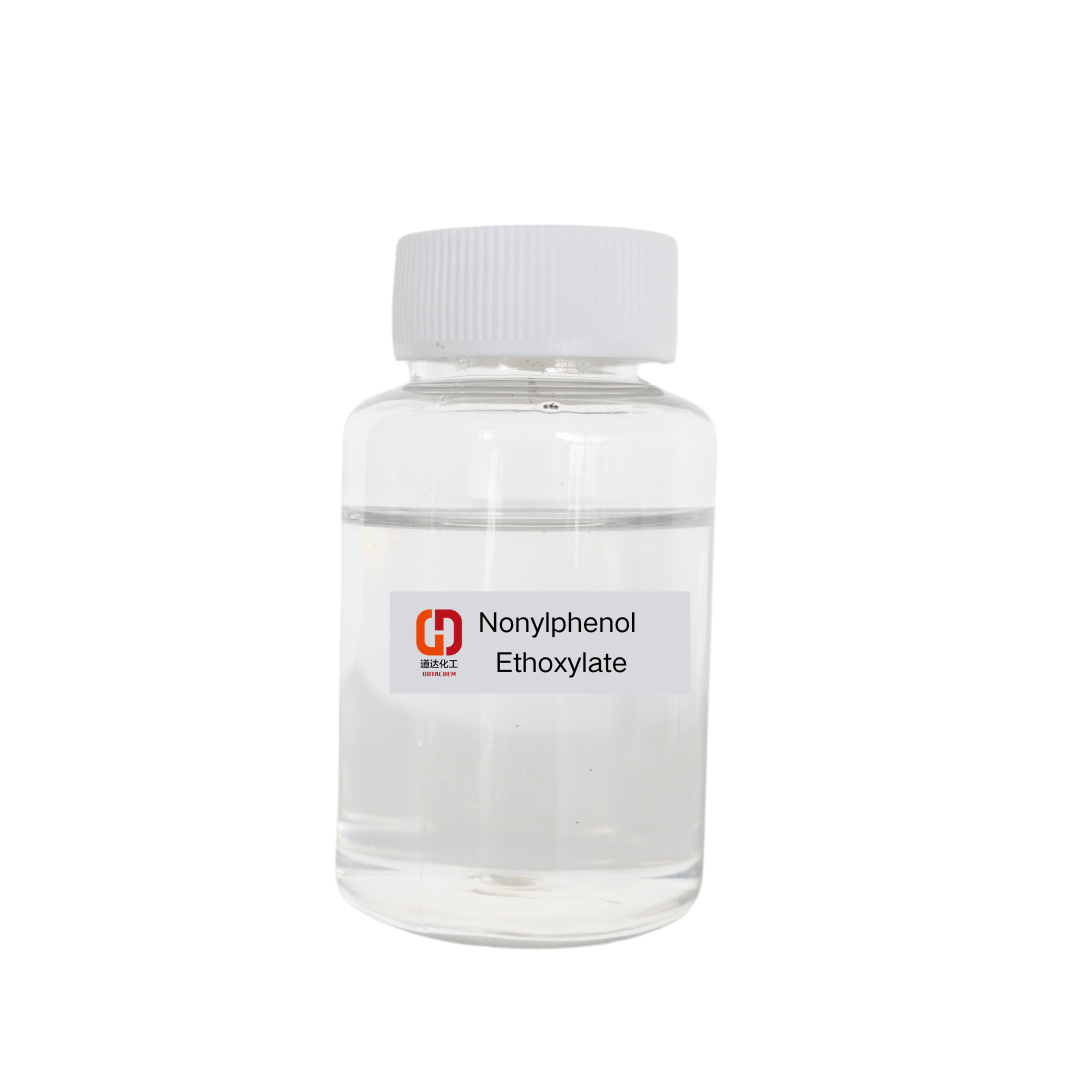
Nonylphenol ethoxylates (NPEs) are a group of synthetic chemicals that have been widely used for decades, primarily as surfactants in industrial and domestic cleaning products. Their molecular structure consists of a nonylphenol group attached to a chain of ethylene oxide units, which allows them to lower the surface tension of water, making them effective detergents, emulsifiers, and wetting agents. Their versatility has led to their incorporation into a broad array of everyday items, from laundry liquids and hard surface cleaners to paints, textile processing agents, and agricultural chemicals. This extensive use has made them near-ubiquitous in the modern environment.
One of the most common pathways for NPEs to enter the environment is through wastewater. When we wash our clothes or clean our homes, these compounds are rinsed down the drain and travel to sewage treatment plants. Unfortunately, conventional treatment processes are not fully effective at removing them, and as the NPE molecules break down, they transform into nonylphenol—a more persistent and toxic byproduct. This breakdown product can then escape into rivers, lakes, and coastal waters, where it accumulates in sediments and living organisms. Less obvious sources include industrial runoff, landfill leachate, and the application of sludge from treatment plants as fertilizer on agricultural land.
Beyond the washbasin, NPEs can also be found in less expected places. They are used in the production of certain plastics, like PVC, and can leach out over time, contaminating food or water stored in plastic containers. Additionally, they appear in some personal care products, such as shampoos, cosmetics, and spermicides, although regulatory pressure has reduced their use in these items in many regions. Because of their persistence and ability to mimic hormones, nonylphenol and its ethoxylates have raised significant environmental and health concerns, prompting bans and restrictions in the European Union and other jurisdictions, yet they remain a persistent challenge due to their historical and ongoing release from a vast array of sources.
Where You Encounter NPEs in Daily Life
You might not realize it, but null pointer errors lurk in more places than just your coding environment. When you tap a notification on your phone and the app crashes because it failed to load the intended screen, that's often an NPE at play. Think of a smart fridge that suddenly stops displaying the temperature because a sensor reading came back empty — another subtle encounter. Even things like a digital menu at a restaurant freezing up when an item's price isn't found in the database can be traced back to a missing reference.
Daily software glitches we brush off as "just a bug" are frequently NPEs showing up in the wild. That moment when your streaming service refuses to play the next episode, claiming something went wrong, might be because the app tried to fetch details for a show that no longer exists in the catalog. Or consider a fitness tracker that suddenly blanks out during a workout — the software probably couldn't retrieve your heart rate data and didn't know how to handle the gap. These aren't grand system failures; they're small, silent hiccups born from an attempt to use something that isn't there.
Even physical gadgets aren't immune. A self-checkout machine at the grocery store that hangs after scanning an unrecognizable barcode? That's likely an NPE disrupting the flow. These errors creep in when hardware components stop communicating or when cloud services hiccup, leaving an app reaching for data that vanished mid-request. They're part of the digital fabric now, showing up wherever software is trusted to bridge the void between what's expected and what actually exists.
The Hidden Health Dangers Linked to Exposure
The subtle ways everyday environments chip away at our well-being often go unnoticed until something goes wrong. From the off-gassing of new furniture to the invisible particulates suspended in urban air, these low-level exposures rarely trigger immediate alarms. But over time, they can quietly disrupt hormonal balance, weaken the immune system, and encourage chronic inflammation—a slow state of internal stress that lays the groundwork for more serious conditions. We tend to dismiss a lingering headache or a bout of unexplained fatigue as nothing serious, yet such signals can be early whispers of a body working overtime to cope with a constant toxic trickle.
What makes these risks especially slippery is their ability to hide in plain sight. Cleaning products marketed as “fresh” and “pure” might be anything but, blending volatile organic compounds into indoor air. Water supplies, despite rigorous treatment, can carry trace pharmaceuticals or microplastics whose long-term effects remain largely unexplored. Even the noise and artificial light we accept as part of modern life are now understood to strain cardiovascular and metabolic health. The problem isn’t any single exposure at a dramatic dose—it’s the accumulation of countless small insults, each flying under the radar of conventional safety thresholds, until the body’s resilience runs out.
Ecosystems Under Siege From NPE Pollution
The quiet creep of non-point source pollution, often shortened to NPE, is rewriting the rules of survival in waterways worldwide. Unlike a pipe spewing waste, this pollution seeps from countless diffuse origins—farm fields shedding fertilizers, city streets washing oils and heavy metals into storm drains, suburban lawns leaching chemicals. The result is a gradual poisoning that doesn’t make headlines but steadily unravels food webs. Algae blooms, fueled by excess nutrients, choke out oxygen and light, creating dead zones where fish can’t breathe. Amphibians, with their permeable skin, absorb toxins directly, leading to deformities and population crashes. Insects, the foundation of many aquatic diets, vanish, starving the birds and bats that depend on them. It’s a slow-motion collapse, one that escapes easy fixes because the culprits are everyone and no one at once.
The insidious nature of NPE pollution lies in its ability to transform entire habitats without a single dramatic event. A freshwater marsh that once teemed with tadpoles and dragonfly nymphs can turn into a murky soup, its diversity replaced by a few tolerant species. Sediment clouding from eroded banks smothers fish eggs and blocks the sunlight aquatic plants need. Chemical residues, from pesticides to pharmaceuticals, alter the reproductive systems of fish, leading to skewed sex ratios and failed spawns. These changes ripple outward: herons and kingfishers abandon stretches of river that no longer yield prey, while otters and mink find their hunting grounds barren. Over time, the very structure of the ecosystem shifts—complex, multi-layered communities give way to simplified systems dominated by hardy generalists. Recovery is possible, but it demands a scale of landscape-level change that most regions are reluctant to undertake.
Addressing NPE pollution means confronting deeply embedded habits of land use and consumption. Buffer zones of native vegetation can filter runoff before it reaches streams, but they require space and long-term commitment. Cover crops and precision agriculture reduce nutrient loss from fields, yet adoption remains patchy. Urban green infrastructure—rain gardens, permeable pavements—can capture stormwater, though retrofitting existing neighborhoods is costly. What makes this fight especially hard is that the damage is cumulative and often invisible until tipping points are reached. A stream can absorb years of low-level pollution and then, after one heavy rain, flip into a eutrophic state. Ecologists emphasize that the goal isn’t pristine nature but functional resilience: systems that can absorb shocks and still support life. Without a broader cultural shift toward seeing every lawn, road, and farm as part of a connected watershed, ecosystems will keep slipping under the siege of a thousand small insults.
How Governments Are Cracking Down on Usage
Governments worldwide are tightening their grip on digital platform usage through a mix of legislative and technical measures. Age verification requirements have become a cornerstone policy, forcing platforms to implement robust identification checks before granting access. Meanwhile, restrictions on specific features, such as limiting screen time or disabling certain functionalities for younger users, are being mandated through updated child safety codes. These interventions often carry heavy penalties for non-compliance, pushing companies to rapidly overhaul their systems to avoid fines and operational bans.
Beyond legal mandates, authorities are investing in monitoring and enforcement tools to ensure compliance. Automated systems that scan platforms for underage accounts or policy violations are becoming more common, sometimes backed by dedicated regulatory bodies. Financial institutions are also being enlisted to block transactions linked to non-compliant services, cutting off their revenue streams. This multi-pronged approach leaves platforms with limited room to maneuver, forcing them to proactively self-regulate or face escalating consequences.
The crackdown is not without controversy, sparking debates over privacy and digital rights. Critics argue that some measures unduly infringe on user freedoms or collect excessive personal data. Yet, the political momentum remains strong, driven by public concern over online harms. As a result, the regulatory landscape is evolving rapidly, with governments sharing best practices and coordinating cross-border actions to create a unified front against what they perceive as unchecked digital activity.
Pivoting to Safer Alternatives
Shifting to safer alternatives often starts by questioning long-held assumptions about necessity and risk. Many organizations discover that the hazardous materials they rely on are not as irreplaceable as they once believed, and that less toxic options can deliver equal or better performance. This process thrives on curiosity and a willingness to test unfamiliar solutions, even when the initial comfort of the familiar tugs strongly.
A practical pivot goes beyond swapping one substance for another; it involves rethinking entire workflows and processes to design out hazards from the start. Teams that succeed in this transition frequently engage frontline workers, tapping into their hands-on insight to identify where changes can be made without disrupting productivity. This collaborative approach not only strengthens the final outcome but also builds a shared sense of ownership over the safer methods.
Ultimately, the move toward safer alternatives becomes self-reinforcing when early wins are celebrated and lessons learned are openly shared. Small-scale trials that produce clear benefits—in cost, health, or efficiency—help convince skeptics and pave the way for broader adoption. Over time, the organization’s default mindset shifts from managing risk to building safety into the very fabric of operations.
FAQ
Nonylphenol ethoxylate is a surfactant found in many industrial and household products. You’ll encounter it in detergents, paints, pesticides, and even some personal care items because it helps break down oils and dirt.
Once released, it degrades into nonylphenol, a more persistent and toxic compound. This breakdown happens through microbial action, but nonylphenol tends to stick around in soil and water for a long time.
Exposure has been linked to issues like skin irritation and, more worryingly, potential reproductive and developmental problems. It mimics estrogen, so it can disrupt the body’s natural hormone signals.
Even tiny concentrations can wreak havoc on fish and other aquatic organisms. It interferes with their reproductive systems, often leading to population declines and skewed sex ratios in sensitive species.
Yes, many regions have stepped in. The European Union, for instance, has heavily restricted it under REACH, and Canada has listed it as toxic. However, enforcement varies widely across the globe.
Absolutely. Its ability to bind to estrogen receptors means it can trigger inappropriate hormonal responses. Pregnant women and young children might be especially vulnerable to these endocrine-disrupting effects.
Safer substitutes include alcohol ethoxylates and alkyl polyglycosides. These options biodegrade more readily and tend to have lower toxicity profiles, making them a smarter choice for manufacturers.
Scrutinize ingredient lists for anything ending in '-eth' or '-oxynol'. Look for certifications like the EPA’s Safer Choice label, and don’t hesitate to reach out to brands directly if their formulations aren’t clear.
Conclusion
Nonylphenol ethoxylates, or NPEs, are synthetic surfactants widely used for decades in industrial cleaners, paints, pesticides, and textiles. Their ability to break down grease and stabilize mixtures made them a go-to ingredient—yet this same utility has led to their pervasive release into the environment. Most of us cross paths with NPEs without realizing it: they linger in laundry detergents, spermicidal lubricants, and even the dust in our homes. Far from inert, these chemicals are endocrine disruptors that mimic estrogen, silently throwing hormones off balance. Research links chronic exposure to reproductive harm, developmental delays, and possible links to certain cancers. Because NPEs accumulate in fatty tissue and persist in the body, the health toll compounds over time, raising concerns that go well beyond the factory floor.
Outside the human body, the damage is just as stark. Municipal wastewater and industrial runoff flush NPEs into rivers and soils, where they break down into nonylphenol—a more toxic and stubbornly persistent compound. Aquatic organisms suffer the most: male fish can develop female traits, populations crash, and entire food webs shift. In response, regulators are tightening the reins. The European Union largely banned NPEs in consumer products, and Canada has classified nonylphenol as toxic. Elsewhere, voluntary restrictions are pushing manufacturers toward bio-based alcohols, sugar-derived surfactants, and other green chemistry solutions. While replacement isn’t always seamless, the momentum away from NPEs reflects a growing consensus that convenience shouldn’t come at the cost of health and ecological integrity.
Contact Us
Contact Person: Levi
Email: [email protected]
Tel/WhatsApp: +86 532 84688720
Website: https://www.polykem-intl.com