

Top Copper Plates: Discover the Best Materials for Your Projects
2026-01-18
When it comes to selecting materials for your projects, copper plates stand out as a versatile and reliable choice. But with so many options available, how do you ensure you're getting the best quality? This blog explores the world of top copper plates, from their unique properties to practical applications, helping you make informed decisions. Discover why materials from brands like Jiangsu Baowu New Materials are gaining recognition in the industry—offering durability and precision that can elevate your work. Stay tuned as we dive into what makes these materials exceptional and how they can transform your next project!
Understanding Copper Plate Varieties for Diverse Applications
Copper plates come in a surprising range of forms, each tailored to meet specific demands across industries. From the soft, malleable sheets used in intricate metalwork to the hardened, high-purity variants essential for electrical conductivity, understanding these differences is key. It's not just about thickness or size; factors like alloy composition, temper, and surface finish dramatically influence performance. For instance, oxygen-free copper offers exceptional conductivity for sensitive electronics, while phosphorus-deoxidized copper provides better weldability for plumbing applications.
Beyond the technical specs, the choice of copper plate can be a game-changer in practical settings. In architecture, patinated copper plates create stunning, weather-resistant facades that evolve over time, adding unique aesthetic value. Meanwhile, in industrial settings, leaded copper plates enhance machinability, reducing wear on tools during fabrication. This versatility means that a single material can serve roles as diverse as artistic sculpture, robust heat exchangers, and reliable grounding systems, simply by selecting the right variety.
To make informed decisions, it's crucial to consider the environment and stress factors the plate will face. For marine applications, copper-nickel alloys resist corrosion from saltwater, extending lifespan in harsh conditions. In contrast, for decorative purposes, a polished copper plate might be chosen for its initial luster, with the understanding it will naturally tarnish. By matching plate characteristics to application needs, professionals can optimize durability, efficiency, and cost-effectiveness, ensuring copper continues to be a go-to material in both traditional and innovative projects.
Key Factors in Selecting Premium Copper Plate Grades
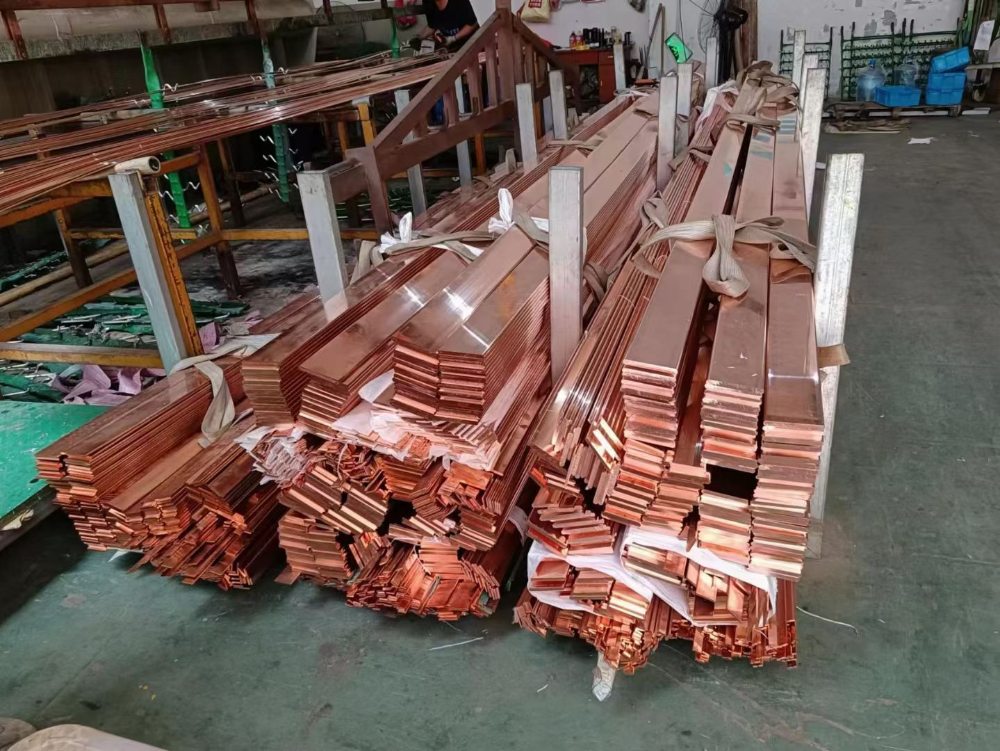
When it comes to choosing premium copper plate grades, it's crucial to look beyond basic specifications and dive into the nuances that define top-tier material. For instance, the alloy composition plays a pivotal role—grades with higher purity copper, often above 99.9%, tend to offer superior conductivity and corrosion resistance. Additionally, consider the manufacturing process: cold-rolled plates might provide enhanced strength and surface finish compared to hot-rolled alternatives, making them ideal for precision applications in electronics or architectural designs.
Another key factor is the mechanical properties such as tensile strength and hardness, which can vary significantly across grades. For demanding environments, like marine or industrial settings, opting for copper plates with added elements like phosphorus or tin can improve durability without compromising flexibility. It's also wise to evaluate certifications and supplier reputation, as these often indicate adherence to stringent quality standards and reliable performance over time.
Lastly, don't overlook practical aspects like surface finish and dimensional tolerances. A smooth, oxide-free surface can prevent issues in plating or welding processes, while tight tolerances ensure seamless integration in complex assemblies. By balancing these technical details with your specific project needs, you can confidently select a copper plate grade that delivers optimal value and longevity, avoiding pitfalls like premature wear or compatibility issues.
Copper Plate Finishes: From Polished to Patina Effects
Copper plates offer a versatile range of finishes that transform their appearance and functionality, from sleek polished surfaces to rich patina effects. The polished finish, achieved through meticulous buffing, results in a high-gloss, reflective surface that highlights copper's natural warmth, making it a popular choice for decorative accents and modern kitchenware. Over time, polished copper can develop a subtle tarnish, adding character, but many prefer to maintain its shine through regular cleaning with gentle solutions.
Beyond polished looks, copper can be treated to achieve various textured or colored finishes, such as hammered or brushed effects, which reduce glare and hide minor imperfections. These finishes not only enhance durability but also introduce an artisanal quality, ideal for architectural elements like roofing or cladding. Each treatment alters the metal's interaction with light and wear, offering designers and homeowners different aesthetic options to suit diverse applications.
Patina effects represent the most dramatic transformation, where copper reacts with environmental elements to form a greenish-blue layer over time. This natural process can be accelerated artificially through chemical treatments, allowing for controlled hues from verdigris to deeper blues. Patina finishes provide an antique or weathered look, prized for their unique charm and protective properties against further corrosion. Whether aiming for a pristine shine or an aged elegance, copper's finishes adapt beautifully to both indoor and outdoor settings.
Durability and Maintenance Tips for Copper Plates
Copper plates are prized for their natural elegance and long-lasting appeal, but their unique properties require a bit of know-how to keep them looking their best. Unlike many metals, copper develops a beautiful patina over time—a greenish layer that actually protects the surface from further corrosion. This means you don't have to fight the aging process; in fact, embracing it can add character to your pieces. For those who prefer the shiny, polished look, regular cleaning with a gentle solution of lemon juice and salt will do the trick, though be prepared for a bit of elbow grease. The key is to avoid harsh chemicals that can strip away the protective patina or cause pitting, as this weakens the metal and shortens its lifespan.
When it comes to durability, copper is surprisingly robust if handled with care. It's relatively soft compared to steel, so it's prone to scratches and dents from rough use. To prevent damage, store your copper plates in a dry environment away from moisture, which can accelerate tarnishing. If you're using them for serving, consider placing felt pads underneath to avoid direct contact with hard surfaces. For outdoor installations, like decorative garden plaques, applying a clear lacquer can shield the copper from the elements while preserving its color, but remember that this coating may need reapplication every few years as it wears down.
Maintenance doesn't have to be a chore—it can be part of the joy of owning copper. Some enthusiasts even develop rituals, like wiping down their plates after each use with a soft cloth to remove fingerprints and oils. For stubborn stains or heavy tarnish, a paste made from baking soda and water can work wonders without being abrasive. Keep an eye out for any signs of corrosion, such as dark spots or flaking, and address them early with a light polish. Ultimately, the goal is to balance preservation with practicality; by following these tips, your copper plates can remain functional and stunning for generations, telling a story through their evolving finish.
Creative Projects Enhanced by Copper Plate Materials
Copper plate materials bring a distinct warmth and character to creative projects that's hard to replicate with other metals. Their natural patina develops over time, adding layers of depth and a sense of history to artworks, home decor, or functional items. This evolving surface invites touch and contemplation, making each piece uniquely responsive to its environment.
Artists and designers often leverage copper's malleability and conductive properties to explore innovative forms and interactive elements. From sculptural installations that play with light reflection to jewelry that incorporates subtle electrical circuits, copper plates serve as both medium and muse. The material's ability to be etched, engraved, or hammered allows for intricate detailing that catches the eye and tells a story.
Beyond aesthetics, copper's antimicrobial qualities and durability make it a practical choice for projects intended for everyday use. Whether in kitchenware, architectural accents, or mixed-media collages, it combines beauty with resilience. This blend of functionality and artistic flair ensures that projects featuring copper plates not only stand out visually but also endure as cherished pieces in collections or spaces.
Cost Considerations and Sourcing Quality Copper Plates
When procuring copper plates, balancing cost with quality is crucial. While budget constraints often drive decisions, cutting corners on copper purity and manufacturing standards can lead to increased long-term expenses. For instance, subpar plates may corrode faster or conduct poorly, necessitating frequent replacements and causing operational downtime in critical applications like electronics or industrial machinery. Therefore, it's wise to evaluate not just the initial price but also factors like supplier reliability, certifications (e.g., ASTM standards), and environmental impacts. Sourcing from reputable manufacturers who provide detailed material specifications can prevent hidden costs associated with defects or performance issues.
In terms of quality, top-tier copper plates typically feature high electrical conductivity and thermal properties, which are essential for sectors such as renewable energy and aerospace. To ensure you're getting the best value, scrutinize the alloy composition—pure copper or specific blends like C11000—and the plate's finish, whether it's mill-finished or treated for enhanced durability. Don't overlook logistical aspects like shipping costs and lead times, which can inflate overall expenses if not managed properly. Building relationships with trusted suppliers who offer consistent quality and transparent pricing often yields better outcomes than chasing the lowest quotes, as it reduces risks and ensures compliance with industry regulations.
Lastly, innovative sourcing strategies can set your procurement apart. Consider exploring recycled copper options, which might offer cost savings and environmental benefits without compromising performance. Engage in direct negotiations with suppliers to secure bulk discounts or customized orders that fit your exact needs. By prioritizing thorough vetting and aligning cost management with rigorous quality checks, you can secure copper plates that not only meet technical demands but also support sustainable and efficient operations over time.
FAQ
Top copper plates offer high thermal conductivity, electrical conductivity, and corrosion resistance, making them versatile for industrial, artistic, and DIY applications. Look for grades like C110 or C101 for optimal performance.
Copper plates are excellent for applications requiring conductivity and aesthetic appeal, but they may not match the strength of steel or the light weight of aluminum. Use copper where its unique properties add long-term value, such as in electrical components or decorative pieces.
Yes, they can be cut, bent, or etched using standard tools like shears or CNC machines. For intricate designs, consider working with suppliers to pre-cut plates to save time and reduce waste.
Avoid using harsh chemicals that can cause discoloration or corrosion. Also, ensure proper ventilation when heating copper to prevent toxic fumes, and always use protective gear to handle sharp edges.
Apply a protective coating, such as lacquer or wax, to prevent patina and weathering. Regular cleaning with mild soap and water can help, but avoid abrasive materials that might scratch the surface.
Check local metal suppliers or online retailers that offer detailed specifications. Look for reviews and certifications to ensure the material meets industry standards for your specific application.
Conclusion
Navigating the world of copper plates requires a solid grasp of the diverse varieties available, each suited for specific applications. From architectural cladding and industrial components to artistic endeavors, understanding the range of alloys and thicknesses helps you choose the right material. Factors like conductivity, corrosion resistance, and mechanical strength play crucial roles in selecting premium grades, ensuring your project benefits from copper's inherent durability and aesthetic appeal, whether for functional or decorative purposes.
Beyond selection, the finish of copper plates can dramatically transform their appearance and longevity. Options range from polished surfaces that offer a bright sheen to patina effects that develop a weathered, artistic look over time. For creative projects, copper's malleability allows for intricate designs, while proper maintenance tips, such as regular cleaning and protective coatings, help preserve its beauty. Cost considerations also come into play, with sourcing quality plates balancing budget and performance, making copper a versatile and valuable material for enhancing various projects effectively.
Contact Us
Contact Person: Zoe Liang
Email: [email protected]
Tel/WhatsApp: 86 189 2128 6299
Website: https://www.baowuchina.com