

Top 10 Flood Gates for Ultimate Water Management and Protection
2026-07-26
When it comes to safeguarding communities and critical infrastructure from devastating floods, selecting the right flood gate can mean the difference between disaster and resilience. In this guide, we’ve curated the top 10 flood gates engineered for ultimate water management and protection, with a special focus on innovative solutions from THT—a name synonymous with reliability and performance. Whether you’re fortifying a coastal city or securing an industrial site, these cutting-edge designs promise unmatched durability and peace of mind. Read on to discover which flood gate best fits your needs, and why industry leaders trust THT to hold the line when water rises.
Why Flood Gates Are a Non-Negotiable for Modern Properties
A decade ago, flood gates were seen as extreme measures, reserved for properties directly on riverbanks or coastal edges. Today, that perspective has shifted dramatically. Unpredictable weather patterns, aging urban drainage systems, and the creeping rise of water tables mean that even areas with no flood history are now vulnerable. Modern properties, with their open-plan layouts, basement conversions, and expensive fit-outs, simply can't afford to roll the dice. A single flash flood can destroy flooring, ruin electrical systems, and foster mold that lingers for years. The cost of installing a flood gate is dwarfed by the aftermath of even one moderate water ingress event.
Insurance companies have also changed their tune. Many policies now require proof of active flood mitigation before they'll cover water damage. A flood gate isn't just a barrier—it's a signal to insurers that the property owner takes risk seriously, often translating to lower premiums or simply the ability to get coverage at all. Beyond insurance, there's the matter of resale value. A property fitted with discreet, reliable flood gates has a story to tell during viewings: it's prepared, resilient, and forward-thinking. Buyers are increasingly asking about flood history and mitigation measures, and a well-installed gate can be the deciding factor that seals a deal in an uncertain climate.
The Mechanics Behind a Truly Reliable Flood Gate
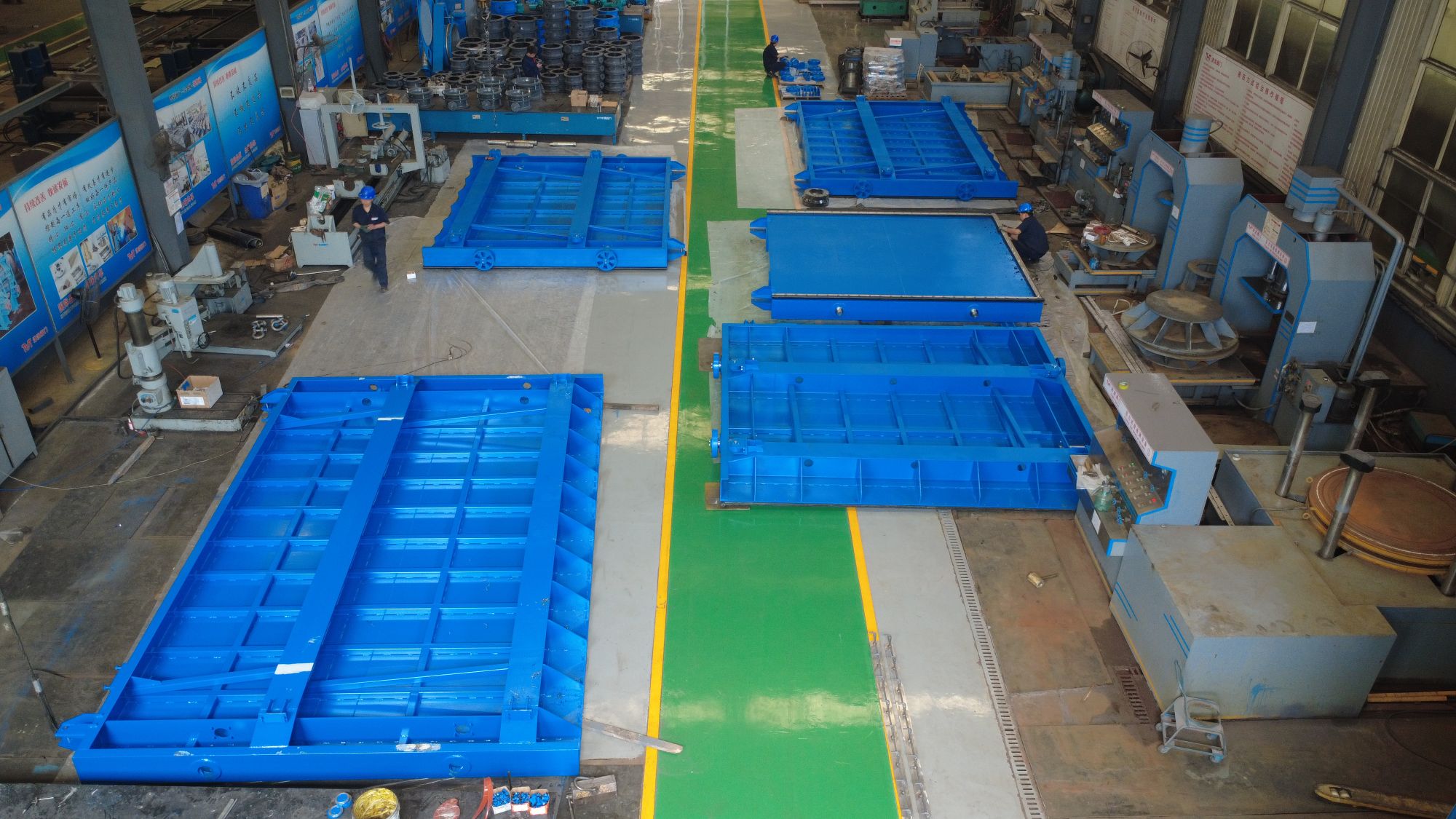
At its core, a dependable flood gate relies on simple physics rather than complex machinery. The most effective designs use the weight of the water itself to create a tighter seal—as water levels rise, the pressure pushes the gate against its frame, eliminating the need for constant maintenance. This passive sealing principle ensures that the barrier grows stronger exactly when it’s needed most, without depending on external power.
Material choice is equally critical. High-grade stainless steel or marine-grade aluminum resists corrosion, but the real innovation lies in composite gaskets that remain pliable after years of immersion. Unlike rubber seals that harden and crack, modern polymer blends maintain their elasticity, even in brackish water, preventing the tiny leaks that can undermine an entire system.
For areas with frequent flooding, redundant activation systems provide peace of mind. While electric motors and hydraulic lifts are common, the most trusted gates incorporate a manual override or buoyancy-driven triggers. This layered approach means that even if sensors fail or power is lost, the gate will still deploy, protecting lives and property without hesitation.
Comparing the 10 Flood Gates That Redefine Water Protection
Engineers and communities facing rising water threats now have a diverse toolkit of flood gate designs, each excelling in specific scenarios. From the towering radial gates that tame massive reservoirs to the discreet flap gates protecting coastal drainage, the choice hinges on hydraulic demands, maintenance realities, and long-term resilience. This comparison strips away the jargon to reveal how ten distinct types stand apart in real-world performance, highlighting the trade-offs that matter most when water is on the line.
Some gates, like the massive sector and drum structures, rely on buoyancy and counterweights, offering reliability with minimal moving parts. In contrast, miter and roller gates prioritize precision sealing in navigation locks and dry docks, where even a minor leak can grind operations to a halt. Urban flood control often leans on slide gates for their straightforward, drop-in simplicity, while the ancient clamshell design resurfaces in modern fusegates that sacrifice themselves to save the dam. Each profile tells a story of innovation, borrowed from millennia of water management, yet tuned for the pressures of today.
Beyond their mechanical elegance, the true test lies in adaptability—how well a gate integrates with sediment loads, debris, and changing climate baselines. The tainter gate’s curved face sheds debris effortlessly, while a fixed cone valve handles high-head releases but struggles with abrasive silt. Maintenance access, corrosion resistance, and operational speed all weigh heavily in the selection process, often tipping the scale toward a hybrid approach that marries proven designs with modern materials. As waters rise, these comparisons aren’t just academic; they shape the thin line between protection and catastrophe.
Installation Nuances That Make or Break Performance
Improper torque application during installation can induce subtle distortions that quietly undermine performance over time. Overtightening a single fastener before its neighbors are seated, for instance, may warp a mating surface or create uneven stress paths, leading to premature wear or vibration. A staggered, incremental tightening sequence distributes load more evenly, preserving the geometric integrity that high-precision systems depend on.
Alignment and gap tolerances often receive less attention than they deserve, yet they directly affect thermal expansion, fluid flow, and electromagnetic behavior. A slightly skewed component might operate within specification initially, but thermal cycling can amplify the misalignment until it causes binding, leakage, or signal degradation. Using feeler gauges, dial indicators, or laser alignment tools ensures that static fits translate into reliable dynamic performance, especially in assemblies where microns matter.
Environmental factors at the time of assembly—humidity, temperature, cleanliness—can make or break long-term reliability. Installing seals in a dusty environment or handling optical components without proper cleanliness protocols may introduce contaminants that act as abrasives or nucleation sites for corrosion. Pre-conditioning materials to the operational environment and maintaining a controlled installation space prevent these hidden flaws from becoming field failures.
Maintaining Your Flood Gate for Decades of Silent Vigilance
Longevity in flood gate performance isn’t just about choosing heavy-duty materials—it’s about understanding the subtle signs of wear that develop over idle seasons. Most failures don’t happen during a storm; they occur in the quiet months when seals dry out, pivot points seize, and debris silently accumulates in guide tracks. Routine inspections should feel less like a checklist and more like a conversation with the gate itself, noticing where corrosion blooms after a wet spell or where concrete spalling hints at hidden undermining.
The art of preservation often lies in the details nobody sees. Lubricating a seemingly smooth hinge with a long-lasting, water-resistant compound can prevent the micro-seizures that escalate into catastrophic jams. Likewise, cleaning and nurturing seal surfaces with the right protectants—avoiding generic greases that trap grit—keeps that tight seal when high water finally comes. A well-maintained gate wears its age with quiet confidence, its moving parts gliding under pressure rather than groaning into action.
Finally, think beyond the hardware. The surrounding environment is a slow but persistent adversary: shifting backfill, root intrusion, and subtle changes in streamflow can compromise a gate’s alignment over decades. Keeping a long-term journal of observations—just notes and photos, no need for complex software—often reveals patterns invisible in a single inspection. That’s how flood gates remain vigilant not just for the next storm, but for the next generation.
Real-World Wins: How the Right Flood Gate Saved Homes and Businesses
When record-breaking rainfall swelled the riverbanks in Cedar Rapids, local business owners braced for the worst. But this time, the story was different. A newly installed automatic flood gate system deployed seamlessly overnight, creating a waterproof barrier around the commercial district. The next morning, shop owners returned to dry floors and intact inventory, while neighboring towns without such protection faced weeks of cleanup and lost revenue. It was a stark reminder that the right infrastructure doesn’t just hold back water—it preserves livelihoods.
In coastal communities where storm surges are becoming more frequent, families have started investing in residential flood gates that blend into their landscaping. One family in Galveston shared how their discreet, quick-deploy gate turned their garage into a safe haven during Hurricane Laura. Instead of wading through knee-deep water to salvage belongings, they simply watched the water rise against the sealed entry, the pressure held steady by the gate’s reinforced design. Their neighbors, relying on sandbags alone, weren’t as fortunate.
What makes these wins possible isn’t just luck—it’s the shift from reactive measures to engineered solutions. Modern flood gates are tailored to specific entry points, with features like self-activating mechanisms and corrosion-resistant alloys. After a Mississippi warehouse suffered three floods in five years, the owners replaced their makeshift barriers with a professional gate system. The next two high-water events left the facility untouched, saving millions in potential damages and insurance claims. These stories aren’t anomalies; they’re the result of matching the right tool to the threat.
FAQ
Long-term effectiveness hinges on corrosion-resistant materials like marine-grade aluminum, precision-engineered seals that prevent seepage, and a design that balances rapid deployment with minimal maintenance demands. The best gates integrate seamlessly with existing infrastructure, so you aren't constantly retrofitting or fighting rust.
They rely on hydrostatic pressure to actually reinforce the seal—water pushes the gate tighter against its frame. Combined with flexible neoprene gaskets and reinforced stress points, the design uses pressure to its advantage rather than merely resisting it, which cuts down on structural fatigue over time.
Drop-in or stop-log systems can be deployed in minutes, but automatic rising gates (like those using buoyancy) require zero human intervention—they lift as water rises. For unpredictable flash floods, you want a passive system that works even when nobody is around to crank a wheel.
Absolutely. Many now feature flush-mounted designs that sit almost invisible in dry conditions, with decorative facing panels that match surrounding architecture. Anodized finishes, custom powder coating, and low-profile housings mean you don't have to choose between looks and losing your basement.
Neglected debris in the track or seal seats is the biggest culprit—even a twig can create a gap. Rubber seals dry-rot if not conditioned annually, and manual mechanisms seize when they aren't exercised regularly. Simple quarterly inspections catch 95% of these issues before a storm does.
Certified designs undergo hydrostatic testing at 1.5 to 2 times their rated depth, often with simulated wave action. Field-installed units get a full pressure test after installation—water is actually pooled against the gate and monitored for seepage. Never trust a gate that hasn't been physically challenged.
Residential units prioritize one-person operation, lighter materials, and lower thresholds to avoid trip hazards. Commercial versions emphasize heavy-traffic durability, wider spans, and often integrate with building management systems for automated closing. The real separator is how well it seals around irregular surfaces like brick or stone foundations.
Because no two openings are alike. Off-the-shelf gates often leave gaps in older buildings with settled foundations or non-standard dimensions. Custom fabrication allows for angled thresholds, uneven masonry channels, and integrated drainage—solutions that fit the actual structure instead of an idealized blueprint.
Conclusion
Flood gates have evolved from simple barriers to sophisticated water management systems that modern properties can’t afford to overlook. The right gate doesn’t just block water; it integrates seamlessly with your landscape, activating only when needed and staying hidden otherwise. But not all gates are created equal: the top 10 models truly redefine protection, offering everything from automatic pressure sensors to corrosion-resistant alloys. What separates the best from the rest lies in the mechanics—reliable designs use hydrostatic pressure to seal tighter as water rises, rather than relying on brute force. This silent engineering ensures that when the waters come, your defense is already a step ahead.
Installation is where theory meets reality—a flawless product can fail if not set into the ground with precision. Professionals know that even a millimeter gap can compromise performance, so proper anchoring and sealing are non-negotiable. Once in place, these gates demand little but reward diligence: simple upkeep like clearing debris and checking seals can extend lifespan for decades. Real-world stories prove their worth; from a coastal home that survived a record storm surge unscathed to a business district that avoided millions in damage, the right flood gate doesn’t just protect property—it preserves peace of mind. Investing in one of these top-tier systems is less about buying a product and more about securing a future.
Contact Us
Contact Person: Su Zhang
Email: [email protected]
Tel/WhatsApp: +86-25219206
Website: https://www.tht-valve.com/