

Siemens Reducers Wholesale – Your Guide to Cost-Effective Bulk Purchases
2026-07-30
Sourcing Siemens reducers at wholesale prices can feel like navigating a maze of suppliers, but it doesn’t have to be. Whether you’re upgrading a production line or managing a large-scale project, finding the right balance between quality and cost is critical—and that’s where Soochee comes in. In this guide, we’ll cut through the noise and show you exactly how to secure genuine Siemens reducers in bulk without blowing your budget.
Beyond Retail: The Real Numbers Behind Wholesale Discounts
When most people think about wholesale pricing, they imagine simply slashing a percentage off the retail cost. The reality is far more nuanced—vendors calculate discounts based on order volume, shipping logistics, and long-term partnership potential, not just markup percentage. A product that retails for $50 might have a wholesale price of $20, but that isn't a universal rule. It depends on whether the item is made overseas or locally, how much warehousing is required, and even the seasonality of demand.
Hidden within these numbers are tiered pricing structures that reward bulk purchases disproportionately. For example, buying 100 units might offer a 40% discount, but jumping to 500 units could unlock an additional 15% off. These discounts often come with strict conditions—minimum order quantities, prepayment terms, or exclusive distribution agreements. Many small retailers fail to account for carrying costs like storage and insurance, which can erode the perceived savings if not managed carefully.
Understanding the real numbers means looking beyond the price tag. It involves analyzing cash flow implications, inventory turnover rates, and even the cost of capital tied up in stock. Savvy buyers negotiate for extras like free shipping, delayed invoicing, or marketing support, which can shift the true effective discount significantly. In wholesale, the listed price is just the starting point; the real value lies in the terms you don't see on the invoice.
Built for the Heavy Lifting: What Makes Siemens Reducers Different
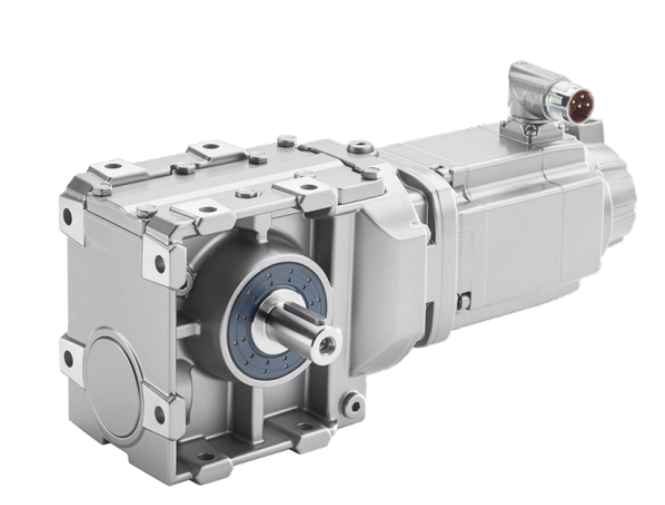
Siemens reducers aren't just assembled—they're engineered from the ground up to handle punishing torque and shock loads without flinching. The gear geometry itself is optimized using decades of field data, ensuring that wear patterns distribute evenly across the tooth flank rather than concentrating at the root. This means lower peak stress and a longer service life even when hoisting massive loads cycle after cycle.
What truly sets these units apart is the marriage of metallurgy and precision machining. Case-hardened, profile-ground gears run against generously sized bearings that have been strategically placed to minimize deflection under high radial and axial forces. The housings, cast from high-strength ductile iron, provide a rigid backbone that keeps alignment true—even when the reducer is mounted in less-than-ideal positions on a swaying offshore crane or a vibrating mining conveyor.
Behind the scenes, every Siemens reducer destined for heavy industry undergoes dynamic testing under loaded conditions that replicate real-world extremes. Oil temperature, vibration signature, and backlash are monitored continuously before the unit ever leaves the factory. It's this refusal to cut corners—from the first CAD model to the final acceptance test—that allows operators to trust these drives where failure is simply not an option.
Who Can You Trust? A Quick Way to Vet Global Suppliers
Figuring out whether a supplier halfway across the world is reliable doesn’t have to be a shot in the dark. It starts with slicing through the noise—skip the polished websites and dig into how they actually operate. Reach out with a detailed inquiry about their production process or ask for a recent quality-control report. The ones who respond promptly with transparent, no-fluff answers are already separating themselves from the pack.
Go beyond the polished portfolio and look for cracks in the surface. Reputable suppliers rarely hide behind generic email addresses or vague company histories. Check their business registration details, cross-reference the names you’re given with independent trade databases, and see if any past partners are willing to share real experiences. A five-minute video call can say more than a week of email exchanges—watch how they handle unexpected questions about defects or delays.
Trust is built on small, verifiable actions long before any money changes hands. Request a sample with a twist—customize one detail to see how they adapt. If they push back with reasonable explanations instead of excuses, that’s a good sign. Pair these steps with a gut check: if something feels too easy or too good to be true, it usually is. Vetting isn’t about finding perfection, but about spotting the people who act like partners, not just vendors.
Don't Get Fooled by a Low Price: How to Calculate Total Cost
That sticker price can be seductive, but it rarely tells the full story. A printer might cost just $50, yet the ink cartridges you’ll replace every few months add up to far more over a couple of years. The same goes for appliances, electronics, and even software—low upfront costs often mask expensive maintenance, energy consumption, or required accessories. Before you swipe your card, take a breath and ask yourself what you’ll really be spending after the initial thrill fades.
A smarter approach is to map out the total cost over the item’s expected lifespan. Start with the purchase price, then layer on consumables, electricity, routine servicing, and any subscription fees. If it’s a larger purchase like a car, factor in depreciation, insurance, and fuel. The math can be eye-opening: that “budget” model might end up costing twice as much as a slightly pricier alternative that sips power and rarely needs repairs. Even small recurring costs compound quickly, so don’t ignore them.
When you compare options side by side, use this total cost of ownership lens instead of fixating on the tag. Sometimes spending more upfront delivers genuinely better value—fewer headaches down the road and a lower overall bill. And if you’re still undecided, look for real-world reviews that mention long-term reliability, not just first impressions. A bargain isn’t a bargain if it steadily drains your wallet.
From P.O. to Delivery: Smoothing Out Your Supply Chain
Every purchase order sets off a chain of events that can either flow seamlessly or get tangled in delays. The real work begins the moment that order is placed. Instead of treating each step as an isolated task, smart operations recognize the rhythm from procurement to final delivery. It's about creating a handshake between your suppliers, your logistics, and your customers—long before the first package moves.
Visibility is where many supply chains stumble. You can't smooth out what you can't see. By connecting data across the entire journey, you start spotting the small snags before they become costly hold-ups. Real-time tracking, clear communication with carriers, and flexible routing options turn a reactive process into something you can actually steer. The goal isn't just speed; it's consistency that your team and your customers can rely on.
The final mile is often where the tension lives, but it doesn't have to. When upstream processes are stable, delivery becomes a natural extension of the promise you made at purchase. It's about building a supply chain that breathes—adapting to demand shifts without breaking trust. Smoothness isn't a one-time fix; it's a habit of alignment from that first order entry to the moment it lands at the door.
One Deal, Many Years: Why After-Sales Support Matters
When you invest in a product or service, you're not just paying for the initial handshake—you're entering a relationship that can span years. The true test of a company isn't how well they sell, but how they show up when something goes wrong, or when you simply need guidance. After-sales support is that quiet backbone, often overlooked in the excitement of a purchase, yet it determines whether a one-time transaction blossoms into lasting loyalty.
Imagine buying a sophisticated piece of machinery or a complex software suite. The sale might close in a day, but the real work begins when your team starts using it. Without responsive, knowledgeable support, small frustrations snowball into downtime, and downtime erodes trust. Quality after-sales care turns those moments into opportunities—to educate, to refine, and to reinforce that your success is genuinely important to the provider. It's the difference between feeling like a number and feeling like a partner.
In an era where products and prices are often indistinguishable, the human touch of support becomes a defining edge. It's not just about fixing bugs or replacing parts; it's about listening, anticipating needs, and evolving alongside the customer. A company that invests in its after-sales experience isn't just securing repeat business—it's building a community of advocates who remember who stood by them long after the invoice was paid.
FAQ
Siemens reducers are engineered with precision German design, offering exceptional durability and efficiency. Their modular construction allows for easy customization and integration, and the optimized gear geometry reduces noise levels while improving torque density. Plus, extensive global testing ensures they handle harsh conditions reliably.
Always check for the official Siemens hologram label and the unique serial number on each unit. Cross-reference the supplier with Siemens' authorized distributor list on their website. Genuine reducers come in branded packaging with manuals and test certificates. Don't hesitate to request a sample before committing to a large order.
The Siemens Simogear series is a popular choice for conveyors due to its high-efficiency helical and bevel-helical options. The Flender Motox-N line also provides robust solutions with high torque capacity and integrated motor adaptability. Both offer compact designs that fit seamlessly into automated material handling setups.
Reputable suppliers provide a minimum one-year warranty covering manufacturing defects, plus access to Siemens' global service network for repairs and technical consultation. You should also receive detailed documentation, installation guides, and optional on-site commissioning support. Many wholesalers stock spare parts to minimize downtime.
Absolutely. Bulk orders typically open the door to tiered discount structures. Build a direct relationship with an authorized distributor, consolidate your annual demand, and discuss framework agreements. Payment terms and shipping costs can often be adjusted to further reduce your total landed cost.
Proper lubrication is critical—using the recommended oil grade and maintaining correct fill levels prevents premature wear. Additionally, ensuring alignment during installation, staying within the rated torque and speed limits, and keeping the unit free from dust and moisture will maximize service life. Regular thermal monitoring also helps detect issues early.
Start by determining your required output torque, speed ratio, and service factor based on the driven machine's duty cycle. Siemens provides engineering tools like the SIZER software to input your parameters and receive recommended models. Also consider mounting position, shaft orientation, and ambient conditions. Consulting an application engineer can avoid costly mismatches.
Focus on Siemens-certified partners with a strong regional presence and warehouse inventory. Check industry forums for supplier reviews, and ask about their typical lead times and minimum order quantities. A good wholesaler will also provide technical support and assist with logistics to your facility.
Conclusion
When sourcing Siemens reducers in bulk, the right approach goes far beyond snagging a low per-unit price. Real wholesale savings come from tiered discounts that reflect long-term partnership volumes, not just a one-off transaction. Siemens gear units earn their place in demanding applications because of their modular design, high efficiency, and rugged reliability—features that reduce downtime and maintenance costs over the equipment's life. But before committing, you need to look past glossy brochures and vet suppliers through factory audits, verified certifications, and candid references from their existing clients in your region. A trustworthy partner won't hesitate to share performance data or arrange a plant visit, ensuring the product you buy is genuine and supported.
The story doesn't end with the purchase order. Smart buyers calculate total cost by adding freight, import duties, inventory carrying charges, and potential surcharges for custom modifications to the base price. A supplier with a streamlined logistics chain—from factory floor to your warehouse—can slash lead times and prevent costly production gaps. Equally critical is what comes after delivery: robust after-sales support, including on-site commissioning aid, spare parts availability, and responsive technical assistance, transforms a mere vendor into a strategic ally. In an industry where unplanned downtime can erase initial savings in hours, securing a comprehensive service agreement isn't an expense—it's the foundation of a cost-effective, durable partnership built around Siemens engineering.
Contact Us
Contact Person: Jenny Jaa
Email: [email protected]
Tel/WhatsApp: 0086 152 9510 6006
Website: https://www.china-motor-supplier.com