
Sewer Drain Cleaning Machines: Your Ultimate Sourcing Guide
2026-04-13
Navigating the world of sewer drain cleaning machines can feel overwhelming, with countless options vying for your attention. If you're sourcing these essential tools for industrial, municipal, or commercial use, you need a guide that cuts through the noise. At AMJET, we understand the challenges you face—from selecting the right equipment to ensuring efficiency and durability. In this comprehensive guide, we'll explore key factors, innovative technologies, and practical tips to help you make informed decisions. Whether you're a seasoned professional or new to the field, get ready to discover insights that could transform your operations. Let's dive in and streamline your sourcing process.
Exploring the Power of Different Sewer Drain Cleaning Machines
When faced with a stubborn sewer line clog, the choice of cleaning machine can make all the difference. From residential pipes to industrial mains, various tools offer unique advantages tailored to specific challenges. Let's dive into the capabilities of key machines and how they tackle different scenarios, empowering you to select the right equipment for the job.
Drain snakes, also known as augers, are versatile workhorses for minor to moderate blockages. Manual models provide cost-effective control for small-scale issues, while motorized versions deliver enhanced power for tougher obstructions like tree roots or grease buildup. Their flexible cables navigate bends with ease, but they might struggle with severe, deep-seated clogs that require more aggressive approaches.
For more intensive cleaning, hydro-jetting machines stand out by using high-pressure water streams to blast away debris and restore flow. These units excel at removing accumulated sludge and mineral deposits, offering a thorough clean that reduces future blockage risks. In contrast, sectional machines with rigid rods tackle the toughest jobs, such as breaking through solid obstructions or navigating large-diameter pipes, making them ideal for commercial or municipal applications where durability is paramount.
Essential Features to Look for When Selecting a Machine
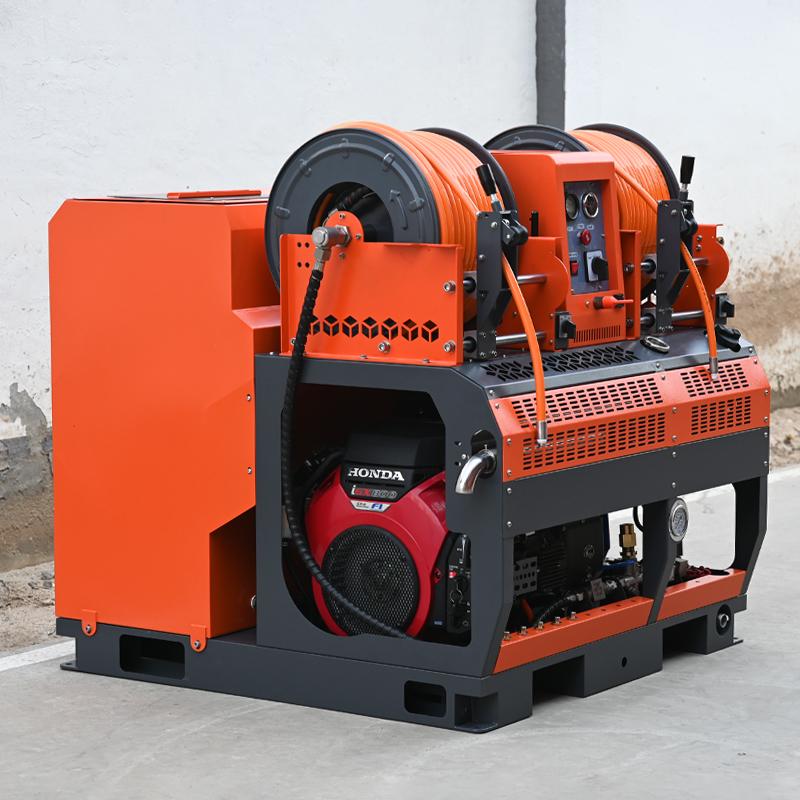
When choosing a machine, the first thing I'd focus on is its core functionality—how well it handles the tasks you need it for day in and day out. It's easy to get swayed by flashy add-ons, but if the basic operations aren't smooth and reliable, you'll end up with more headaches than benefits. Think about the little things: Is it intuitive to use, or does it require constant troubleshooting? Does it perform consistently under different conditions? These might seem like basic checks, but they're often the difference between a machine that becomes an asset and one that collects dust in a corner.
Beyond functionality, consider things like speed and efficiency. Sure, a machine might get the job done, but if it's sluggish or inefficient, it could slow down your entire workflow. It's not just about raw power; it's about how that power translates into real-world performance. For example, a printing machine might be fast on paper, but if it jams frequently or requires lengthy warm-up times, that speed is pretty useless. When evaluating, don't just take the manufacturer's word for it—look for user reviews or, if possible, test it yourself to see how it holds up in actual use.
Lastly, don't overlook the long-term aspects like durability and support. A machine might shine in the first few weeks, but what happens after a year of heavy use? Check the build quality—are the materials sturdy, or do they feel cheap and prone to wear? Also, research the company's customer service and warranty options. Having a reliable support system in place can save you a lot of trouble down the line if issues arise, ensuring your investment continues to pay off for years to come.
Comparing Electric and Hydraulic Models for Efficiency
When it comes to optimizing energy use in industrial systems, the choice between electric and hydraulic models often comes down to efficiency. Electric models, such as motors and drives, typically offer higher energy conversion rates, with efficiencies often exceeding 90% in modern setups. This makes them a go-to for applications where minimizing power loss is critical, like in precision machinery or renewable energy installations. In contrast, hydraulic systems, while powerful and reliable, tend to have lower efficiencies, usually ranging from 60% to 80%, due to factors like friction and fluid leakage. It's this efficiency gap that can sway decisions in favor of electric options for long-term cost savings.
But efficiency isn't just about raw numbers; it's also about how these models perform under real-world conditions. For instance, in heavy-duty tasks like construction or mining, hydraulic systems excel due to their high torque and force capabilities, even if they consume more energy. Meanwhile, electric models shine in environments requiring precise control and variable speed, such as robotics or conveyor belts, where their efficiency translates directly into operational smoothness. This dynamic means that the 'best' model depends heavily on the specific demands of the application, rather than a one-size-fits-all answer.
Ultimately, comparing these models reveals a trade-off between immediate power and long-term savings. While hydraulics might win in brute-force scenarios, electrics edge ahead in sustainability-focused settings, thanks to advancements like regenerative braking and smart controls. By weighing factors like load requirements, maintenance needs, and environmental impact, businesses can make informed choices that boost overall system performance. This nuanced view helps move beyond simple efficiency ratings to a more holistic understanding of what each model brings to the table.
Best Practices for Safe and Effective Drain Cleaning Operations
Drain cleaning operations require careful attention to safety and detail to prevent injuries and ensure the job gets done right. Before starting any work, wear protective gear like gloves and safety glasses, and check the drain for signs of major blockages or damage that might need special tools. Using the correct equipment, such as a plumber's snake or hydro-jetter, tailored to the specific clog, can save time and avoid unnecessary strain on pipes.
Effectiveness in drain cleaning isn't just about removing obstructions; it's about doing so without harming the plumbing system. For instance, avoid harsh chemical cleaners that can corrode pipes over time, and instead opt for mechanical methods or enzyme-based solutions for regular maintenance. By following a methodical approach—starting with visual inspections, then moving to gentle methods before escalating—you minimize risks and extend the life of drainage infrastructure.
To stand out in the field, adopt a proactive mindset: educate clients on simple prevention tips, like using drain screens and disposing of grease properly, which reduces emergency calls. Pairing traditional techniques with modern technology, such as camera inspections to pinpoint issues accurately, sets a high standard for quality service that customers appreciate and trust.
Navigating Maintenance and Long-Term Durability Tips
Keeping your investments running smoothly is all about smart, consistent care. Think of maintenance as a series of small steps that add up over time, rather than a burdensome chore. Start by creating a simple checklist tailored to your specific needs, whether it's for a home appliance or a vehicle. Regular inspections, like checking fluid levels or tightening bolts, can catch minor issues before they snowball into costly repairs. Make it a habit to listen for unusual noises or watch for performance dips—these subtle signals often point to emerging problems that are easier to address early on.
Durability isn't just about the initial build quality; it's how you nurture your items through their lifecycle. To boost long-term resilience, consider the environment where your products are used. For instance, protect electronics from dust and moisture, or store wooden furniture away from direct sunlight to prevent fading and cracking. Use the right tools and cleaning agents as recommended by manufacturers—scrubbing too hard or with harsh chemicals can do more harm than good. By treating your belongings gently and adapting your care routines to their materials and design, you'll extend their useful life and maintain their appearance for years.
Embrace a proactive mindset by scheduling maintenance activities around your calendar, turning them into routine moments rather than emergencies. Set reminders for seasonal tasks, like servicing HVAC systems before summer or winter, to ensure they operate efficiently when needed most. Don't forget to document your maintenance efforts in a basic log; this track record can reveal patterns and help you plan better in the future. Ultimately, navigating maintenance and ensuring durability is about building a relationship with your possessions—understanding their quirks and responding with thoughtful action leads to fewer surprises and more reliable performance over the long haul.
Where to Find Reliable Suppliers and Cost Considerations
When searching for reliable suppliers, it's crucial to start by tapping into industry-specific trade shows and exhibitions, which often bring together vetted manufacturers and distributors under one roof. Networking at these events can uncover hidden gems that don't heavily advertise online, and building direct relationships here can lead to better communication and customized solutions. Additionally, online platforms like Alibaba or Thomasnet provide extensive directories, but don't just rely on ratings—dig deeper by requesting samples and checking for certifications like ISO or industry compliance to ensure quality matches your needs.
Cost considerations go beyond just the sticker price; factor in logistics, minimum order quantities (MOQs), and potential currency fluctuations that can impact your budget unexpectedly. Negotiating with suppliers isn't just about haggling—ask about volume discounts, payment terms, or bundling services to secure a deal that keeps costs manageable without compromising on reliability. Remember, a cheaper option might seem appealing initially, but if it lacks a track record or responsive support, it could end up costing more in delays or defects down the line.
To stand out in a crowded market, consider exploring niche sourcing strategies, such as partnering with local cooperatives or leveraging industry forums where insiders share trusted contacts. This approach not only diversifies your supplier base but also reduces risk by avoiding over-reliance on a single source. Always weigh the total cost of ownership, including after-sales service and warranty options, to make an informed decision that balances affordability with long-term dependability.
FAQ
Sewer drain cleaning machines are used to clear blockages and maintain pipes in residential, commercial, and municipal sewer systems, helping prevent backups and ensure proper wastewater flow.
Common types include high-pressure water jetters, mechanical snakes or augers, rodding machines, and combination units that integrate multiple cleaning methods for versatile applications.
Consider factors like the diameter and length of pipes, the severity of blockages, and whether you need a portable or stationary unit. For heavy-duty tasks, opt for machines with higher pressure or torque capabilities.
Regular maintenance involves cleaning and inspecting nozzles or blades, checking hoses and cables for wear, lubricating moving parts, and ensuring proper storage to prevent corrosion and damage.
Yes, always wear protective gear like gloves and goggles, ensure the machine is properly grounded, follow manufacturer instructions, and avoid using the equipment near electrical hazards or in confined spaces without ventilation.
You can source them from industrial equipment suppliers, specialized distributors, online marketplaces with customer reviews, or direct manufacturers who offer warranties and technical support for long-term reliability.
Challenges include dealing with stubborn clogs like tree roots, navigating intricate pipe layouts, managing noise and mess during operation, and ensuring compatibility with different pipe materials to avoid damage.
To ensure cost-effectiveness, compare prices and features across brands, consider energy efficiency, look for durable construction to reduce repair costs, and evaluate rental options if usage is infrequent.
Conclusion
When exploring the diverse range of sewer drain cleaning machines, it's crucial to understand the power and capabilities each type offers. From electric to hydraulic models, the choice significantly impacts efficiency and operational flexibility. By comparing these options, users can identify machines that not only clear blockages effectively but also align with their specific needs, whether for residential or industrial applications. This foundational knowledge sets the stage for informed decision-making, ensuring that the selected equipment meets both immediate and long-term demands.
Beyond selecting the right machine, attention to essential features, safety practices, and maintenance tips enhances overall performance. Key attributes like durability, ease of use, and advanced functionalities should guide the selection process, while adherence to best practices ensures safe and effective operations. Additionally, sourcing from reliable suppliers and considering cost factors contribute to a sustainable investment. With these elements combined, this guide serves as a comprehensive resource for navigating the complexities of drain cleaning machinery, empowering users to optimize their workflows and achieve lasting results.
Contact Us
Contact Person: Mike
Email: [email protected]
Tel/WhatsApp: +86 19545555505
Website: https://www.amjeting.com/