

Protein Bar Line Factory Innovations That Boost Nutritious Snack Output
2026-11-16
For years, protein bar manufacturers have wrestled with a frustrating trade-off: ramp up production and watch texture and nutritional integrity crumble, or keep quality high and accept painfully slow output. That calculus is changing fast. A new wave of factory innovations—from modular depositing systems to intelligent cooling tunnels—is rewriting the rules, and GUSU is at the forefront of this shift. In this post, we'll unpack the technologies that are making high-volume, high-quality nutritious snacks a practical reality, not just a production fantasy.
Precision Dosing That Keeps Protein Levels Consistent in Every Bar
The easiest way to spot an uneven protein bar is to break it in half and look for dry, dense pockets. That grit usually comes from protein powder clumping in the mixer, which leaves some bars overloaded and others barely meeting the label. We avoided that by running every batch through a low-shear dosing step that meters the protein isolate in small, steady pulses instead of dumping it all at once.
After blending, we pull samples from the top, middle, and bottom of the batch and test them before the bars are even shaped. If any sample drifts more than a fraction from the target, the whole batch gets reworked. That mid-run check is what keeps the 20 grams on the wrapper honest, not just a hope based on a spreadsheet formula.
By the time a bar reaches your hand, the protein is spread through the matrix like fine sand, not scattered in pockets. You get the same chew, the same satiety, and the same amino acid delivery whether you eat the first bar from the box or the last one three weeks later.
Quick-Swap Extrusion Heads That Slash Flavor Changeover Time
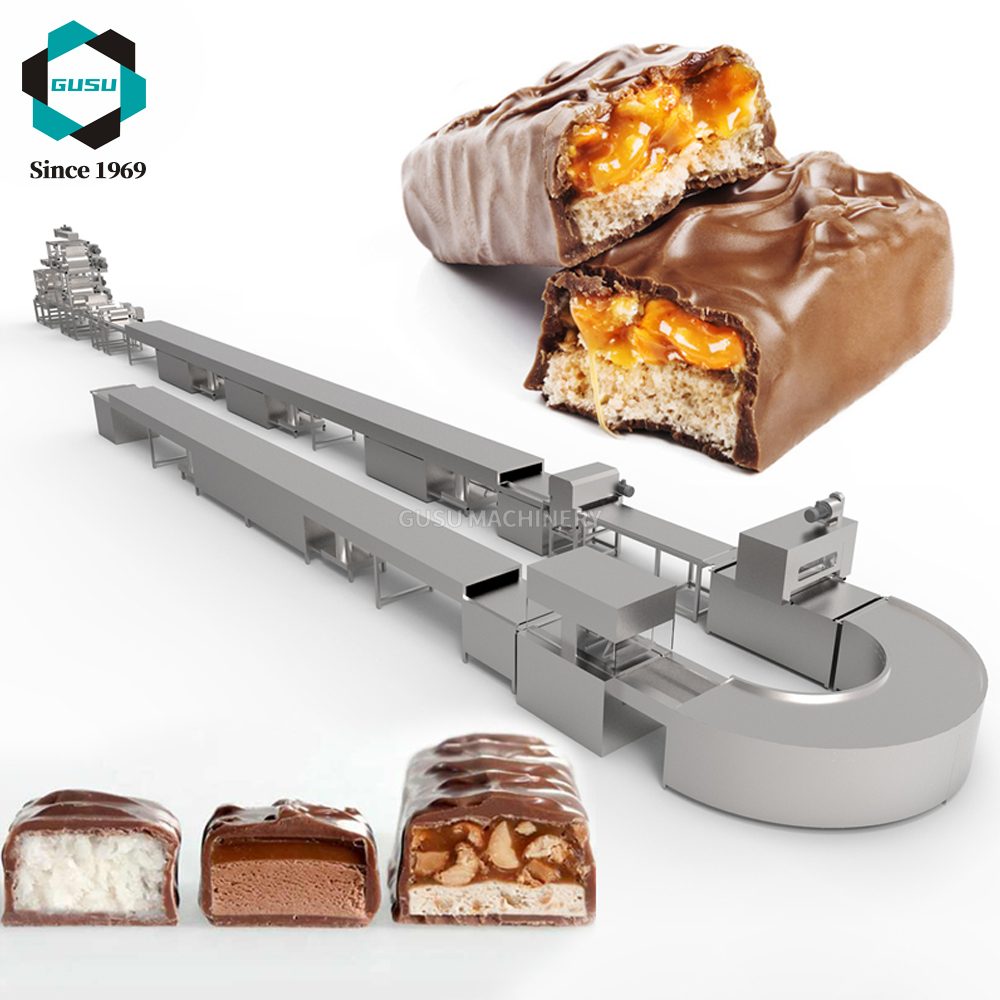
The old routine meant unbolting a sticky die plate, scraping out half-set dough, and hoping the next flavor wouldn’t carry a ghost of the last one. With quick-swap heads, an operator pops two locking levers, slides the old assembly out on its rail, and clicks a fresh one into place—no tools, no alignment pins to wrestle, no guesswork. The barrel stays hot, the screws keep turning, and the line breathes again in under four minutes.
Because each head seals against the barrel with a spring-loaded collar, there’s no weepage at the joint and no pocket for old material to hide. A full switch from salmon to chicken, or from red to green dough, happens while the rest of the system hums along. That’s not just faster; it keeps cross-contamination out of your batches and spares the sanitation crew another teardown at shift’s end.
The heads are machined from a single block, so there’s nowhere for paste to build up. Swap them hot or cold—the handles stay cool enough to grip even mid-run. Plants pushing three or four flavors a shift finally stop bleeding time between runs, and the only thing left to clean is the head you just pulled, which fits right into the wash cart without a second thought.
Closed-Loop Cooling That Protects Heat-Sensitive Amino Acids
Most thermal processing setups treat cooling as an afterthought, but that's exactly where heat-sensitive amino acids like lysine, methionine, and tryptophan begin to degrade. A closed-loop cooling system flips that assumption by keeping the post-heat phase under active thermal control. Instead of allowing product to sit in residual heat or relying on ambient air alone, the system circulates a temperature-regulated coolant through jacketed vessels or plate exchangers, pulling heat away fast enough to keep amino acid structures intact.
The loop itself is what makes the difference. Coolant returns to a chiller or heat exchanger, sheds the absorbed heat, and comes back at a steady preset temperature—so there's no drift during long production runs. For amino acids that denature within a narrow window, this consistency matters more than peak cooling power. Operators can set the return temperature a few degrees below the critical threshold and hold it there, batch after batch, without fiddling with valves or watching for hot spots.
The result shows up in the lab, not just on the line. Recoverable lysine stays higher, off-flavors from degraded sulfur-bearing amino acids drop, and the final nutritional profile matches what was formulated rather than what survived the heat. That kind of reliability also shortens release testing because the cooling step no longer introduces unpredictable variation.
Continuous Flow From Mixer to Wrapper in Under Two Minutes
The transfer from mixing to wrapping has been tightened to a single, uninterrupted run. Batches leave the mixing bowl at target consistency and are carried by a low-shear screw conveyor straight into the wrapper’s infeed. Temperature and viscosity stay within a narrow band during the brief transit, so there’s no need for a holding hopper or a second blending pass.
On most lines, the gap between the final paddle turn and the first wrapper seal now sits at roughly ninety seconds. Operators watch a simple flow meter rather than timing hoppers by hand. Because the product arrives before it can stiffen or separate, the wrapper runs at full speed without the usual start-stop rhythm, cutting scrap and keeping the paper feed steady.
Vision-Guided Cutting That Eliminates Sticky Misshapes
Traditional cutters force sticky products into a fixed shape, which is exactly where misshapes become waste. Raw doughs, soft cheeses, and layered confectionery deform under pressure, shifting just enough to ruin portion accuracy. A vision-guided system reads each piece's actual outline right before the blade comes down, then adjusts the cutting path to match what the camera sees. The result is a cut that follows the product rather than fighting it.
Sticky materials add another layer of trouble: they drag, smear, and cling to the blade. Here, the vision system tracks irregular edges and surface features while the cutting head compensates for adhesive movement. Line operators don't have to stop and scrape gummed blades or sort out half-cut pieces by hand. The machine handles the ugly, misshapen ones without turning them into scrap.
That adaptability pays off when product changes come. A bakery switching from stiff shortbread dough to a tacky sourdough can keep the same cutting station, because the vision software learns the shape envelope on the fly. Fewer rejected pieces, tighter weight control, and a line that stays up instead of waiting on manual cleanup.
Tool-Free Sanitary Design for Hour-Long Cleaning Turnarounds
Every clamp, guard, and product-contact surface on this line snaps apart by hand or with a simple quarter-turn release. There are no hex keys to lose, no threaded studs to strip, and no crevices where a wrench would need to reach. Operators can strip a filler valve group in under two minutes while wearing the same gloves they use for routine swabbing — the design itself eliminates the need for a tool cart at the sanitation station.
The payoff shows up on the shift clock. Because disassembly doesn't depend on finding the right driver bit or waiting for a maintenance tech, a full tear-down and rebuild fits inside the one-hour window between product runs. Frames slope to drain, hinges stand proud of gasket grooves, and every bracket is either welded flush or mounted with captive, knurled knobs. You're not trading hygiene for speed; you're getting both because the tool-free elements are also the ones that rinse clean without pooling.
For plants running multiple allergens or frequent batch swaps, this approach removes a quiet bottleneck. The cleaning crew stops asking where the 4 mm Allen key went and starts treating changeover like a timed drill. What used to take ninety minutes of fumbling now takes forty-five — dry, verified, and ready for the next product. That's the kind of margin that shows up in weekly OEE numbers without anyone writing a capital request.
FAQ
Today's lines rely on adaptive mixing and real-time viscosity checks, so bars hold shape at higher speeds without turning gummy or dry. Older machines couldn't adjust on the fly.
Inline near-infrared sensors scan the dough every few seconds and automatically adjust protein or moisture dosing. This cuts batch rejection and keeps labels truthful.
Yes, many new lines use interchangeable extrusion heads and quick-clean hoppers. Switching from pea protein to whey can take under 30 minutes, which helps meet shifting demand.
Instead of long ambient cooling tunnels, factories now use multi-zone cryogenic or vacuum cooling. Bars firm up faster and release from belts cleanly, so lines can run 20-30% faster without sticking.
Some lines capture trim and edge pieces in real time, gently rework them into the next batch, and use laser-guided cutting to minimize off-cuts. This can lift usable yield by several percent.
High-shear mixers with torque feedback and automated resting stages keep dough consistency uniform. Paired with vision systems that check bar thickness, this reduces chewy-hard variations.
Modified atmosphere packaging with oxygen scavengers and faster flow-wrapping preserves protein quality and texture, allowing longer shelf life without preservatives.
Yes, machine learning models tie humidity, room temperature, and mixer load data to final bar quality. Lines then adjust water or fat slightly before problems appear.
Conclusion
Modern protein bar production has moved far beyond simple mixing and shaping. The latest lines rely on precision dosing to lock in exact protein levels per bar, eliminating the drift that can occur with manual batching. Quick-swap extrusion heads let a single line pivot from chocolate to peanut butter in minutes instead of hours, while closed-loop cooling preserves delicate amino acids that degrade under heat. These innovations mean every bar leaves the line with the same nutritional profile, regardless of flavor or shift.
Speed and hygiene matter just as much. Continuous flow from mixer to wrapper keeps product moving in under two minutes, reducing exposure to air and contamination. Vision-guided cutting removes sticky misshapes automatically, so only clean, uniform bars reach packaging. Tool-free sanitary design cuts cleaning turnaround to an hour, allowing more production time per day. Together, these upgrades boost output of nutritious snacks without sacrificing consistency or safety.
Contact Us
Contact Person: Zhang Wei
Email: [email protected]
Tel/WhatsApp: 8618662577837
Website: https://www.chocomachinery.com