Professional Modacrylic Fabric Benefits for Protective Clothing and Beyond
2026-08-25
What if protective clothing didn't have to sacrifice comfort for safety? The professional modacrylic fabrics from DROTEX are rewriting that trade-off—and their benefits extend well beyond the factory floor.
The Unseen Advantage in Arc Flash and Fire Hazard Gear
Most workers only think about arc flash and fire hazard gear when it's time to suit up for a risky job. But the real advantage hides in the daily details—the way the fabric breathes during long shifts, the weight distribution across the shoulders, and how the closure system doesn't snag when seconds count. These aren't features you see on a spec sheet; they're the quiet reasons a crew trusts one set of gear over another after months of use.
Another overlooked edge comes from how gear handles contamination over time. Sweat, grease, and conductive dust build up invisibly, slowly degrading both comfort and protection. Gear designed with treated fibers or smoother surfaces resists that buildup, keeping its arc rating closer to the original value. That means fewer forced replacements and more confidence during unexpected fault conditions—something no flashy marketing ever mentions.
Finally, the unseen advantage is in the seams and stitch patterns. Double-stitched stress points, strategically placed reinforcement patches, and thread that doesn't melt at the same temperature as the shell—these details decide whether gear survives a single incident or becomes a liability. Workers who inspect their gear weekly learn to spot these cues, and they choose brands that build for the invisible stresses, not just the labeled ratings.
How Modacrylic Holds Up When Laundering Gets Tough
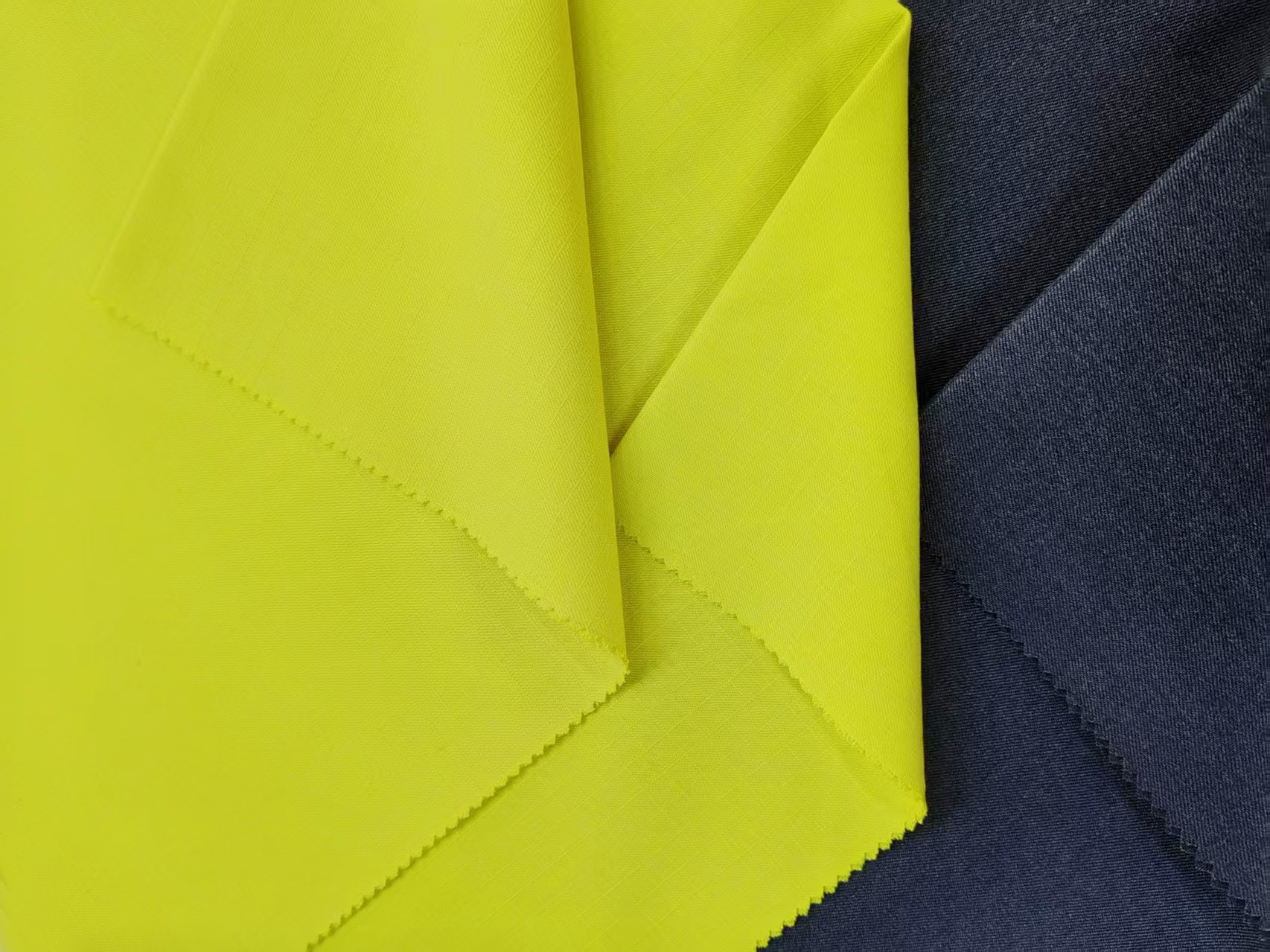
Modacrylic fibers are built to shrug off the kind of laundering that would leave most synthetics looking tired. Commercial washers running at 160°F with high alkalinity and chlorine bleach don’t break down the fiber’s structure the way they do with polyester or nylon blends. That’s because modacrylic is inherently resistant to chemical degradation—its polymer backbone doesn’t easily hydrolyze under harsh pH conditions, so you get consistent shrinkage control and color retention even after dozens of industrial wash cycles.
What often surprises people is how well modacrylic handles repeated exposure to aggressive stain removers and disinfectants. In settings like hospitals, fire stations, or food processing plants, garments get hit with peroxides, quaternary ammonium compounds, and solvent-based spot treatments. Modacrylic doesn’t develop the brittle hand or surface pilling that plagues other FR fabrics under the same abuse. It also dries quickly without stiffening, which reduces the temptation to over-dry and set wrinkles or thermal damage.
That said, “holds up” doesn’t mean “indestructible.” Over time, repeated high-heat drying can slightly reduce the fiber’s softness, and you should avoid using fabric softeners—they coat the fiber and interfere with its inherent flame resistance. But for the sheer punishment of tough laundering, modacrylic outperforms most expectations, keeping its shape, drape, and protective properties far longer than many buyers assume.
Softness and Breathability That Reduce Worker Fatigue
The inner lining uses a brushed microfiber that moves with your hand instead of fighting it. Seams are set flat and low-profile, so there’s no rubbing across knuckles or the web of the thumb after hours of repetitive motion. The palm padding isn’t just thick—it’s placed where tools actually press, letting you keep a relaxed grip without that deep ache creeping up by mid-shift.
Breathability comes from a knit back that vents heat the moment your hands start working, not after they’re already sweating. Moisture gets pulled away from the skin quickly, which keeps your fingers from slipping and prevents the damp, clammy feel that makes gloves feel heavier than they are. When your hands stay cool and dry, you spend less energy adjusting your hold and more on the task.
When Chemical Exposure Demands More from Fabric
When chemical exposure demands more from fabric, ordinary textiles fall short in ways that aren't immediately visible. A splash of sulfuric acid can eat through cotton in seconds, while a solvent like toluene quietly degrades polyester over repeated contact. The real problem is that failures often occur at the molecular level, weakening fibers long before a visible hole appears. That's why protective workwear and industrial barriers require fabrics engineered with chemical resistance as a starting point, not an afterthought.
Materials like modacrylic, fluoropolymers, and densely woven aramid blends behave differently under chemical stress. They repel or neutralize aggressive substances rather than absorbing them. But fiber choice alone isn't enough. Seam sealing, specialized coatings, and rigorous testing against permeation and penetration standards determine whether a fabric can actually keep a worker safe through a full shift. Without that layered defense, even a high-tech textile becomes just another disposable rag.
Selecting the right fabric for chemical exposure isn't about buying the most expensive option. It's about matching the material's resistance profile to the specific chemicals, temperatures, and durations involved. A fabric that shrugs off acids might crumble in alkalis. Asking those uncomfortable questions before procurement prevents both immediate injuries and slow, invisible degradation that leads to sudden failure.
From Industrial Uniforms to Everyday Safety Apparel
The shift from industrial uniforms to everyday safety apparel marks a quiet revolution in how we dress for risk. Once confined to factory floors and construction sites, high-visibility fabrics, reinforced stitching, and flame-resistant materials have crossed into daily wear. Think of the bike commuter in a reflective jacket, the delivery rider with abrasion-resistant gloves, or the weekend hiker choosing pants with built-in knee padding. What was once purely functional and workplace-mandated is now being reimagined as comfortable, even stylish, protection for ordinary routines.
This crossover didn't happen overnight. For decades, safety gear was built for compliance, not comfort—heavy, stiff, and designed to be worn only inside a designated hazard zone. But as more people work in hybrid roles or pursue side gigs that blur the line between professional and personal risk, the demand for gear that performs in both worlds has grown. Manufacturers responded by softening fabrics, streamlining silhouettes, and integrating safety features invisibly. A softshell jacket today might carry the same arc-flash rating as an old-school industrial coat, yet you'd wear it to a coffee shop without a second thought.
The result is a new category of clothing that respects both protection and practicality. Everyday safety apparel no longer shouts "worker" or "emergency"—it whispers preparedness. Whether it's a pair of work pants with hidden reflective cuffs or a breathable top with UPF 50+ and ripstop weave, these pieces let people move through their day with fewer wardrobe changes and more confidence. The industrial uniform didn't disappear; it evolved, stepping off the shop floor and into the rhythm of daily life.
Extending Service Life Without Sacrificing Protection
Most attempts to stretch service life end up piling on extra film thickness or switching to harder, more brittle chemistries. That approach buys time at first, then protection falls apart as micro-cracks spread and moisture finds a way in. The better route is to keep the coating flexible enough to move with the substrate while embedding corrosion inhibitors that stay dormant until damage occurs.
Another overlooked factor is surface preparation. A coating that can tolerate minor surface imperfections without losing adhesion will outlast a technically superior formula applied over poorly prepared steel. By combining tolerant adhesion promoters with a balanced cure schedule, it is possible to extend maintenance cycles from three years to seven without increasing dry film thickness or reducing impact resistance.
FAQ
Modacrylic fibers are inherently flame resistant, meaning the protection doesn’t wash out or wear away. Treated cotton relies on chemical finishes that can degrade after repeated laundering, whereas modacrylic keeps its fire-resistant properties for the life of the garment. It also offers good chemical resistance and a soft, wool-like hand that many workers find more comfortable than stiff FR-treated fabrics.
When exposed to flame, modacrylic does not melt or drip. It chars and self-extinguishes once the ignition source is removed. This behavior reduces the risk of burn injury from molten polymer or after-flame, which is crucial for protective apparel. The fiber’s chemical structure includes halogen components that interfere with combustion.
Yes, modacrylic shows up in a surprising range of products. Beyond FR workwear, you’ll find it in fake fur, wigs, blankets, upholstery, filtration media, and even outdoor fabrics. Its ability to be dyed in vivid colors while retaining flame resistance and softness makes it useful for consumer goods that need both aesthetics and safety.
Aramid fibers have higher continuous use temperatures and better thermal stability, so they outperform modacrylic in extreme heat environments. However, modacrylic is significantly less expensive, easier to dye, and has a softer hand. For many industrial and utility applications where the thermal threat is moderate, modacrylic offers a cost-effective balance of protection and comfort. Blends of modacrylic with aramids are common to tap both sets of strengths.
Comfort depends on the blend and fabric construction, but modacrylic generally has a soft, wool-like texture that avoids the itchiness of some FR synthetics. It absorbs moisture better than many synthetics, which helps with wear comfort. Many FR garments use modacrylic-rich blends to improve next-to-skin feel while still meeting safety standards.
No, the flame resistance is inherent to the fiber, so it doesn’t wash out. However, fabric finishes like water repellency or stain resistance may degrade over time. Following care instructions is still important to avoid shrinkage or damage, but the core FR performance remains intact for the life of the garment.
The biggest drawback is lower thermal stability compared to high-performance fibers. Modacrylic can shrink or degrade at elevated temperatures, so it’s not suitable for firefighting turnout gear or molten metal splash protection. It also has moderate abrasion resistance, which may limit its use in rough physical environments unless blended with tougher fibers.
Modacrylic offers good resistance to many acids, alkalis, and solvents, which is why it’s used in chemical protective clothing. It doesn’t dissolve or break down as quickly as some other synthetics. However, no single material handles all chemicals equally, so users need to match the specific chemical exposure to the fabric specifications.
Conclusion
Modacrylic has earned its place in arc flash and fire hazard gear because the protection is built into the fiber itself, not added as a chemical finish. When exposed to flame or electric arc, it won’t ignite or melt; it forms a stable char that reduces burn injury. That inherent quality survives repeated industrial laundering — after dozens of wash cycles, modacrylic still delivers the same level of flame resistance, something treated fabrics often fail to maintain. On top of that, its softness and breathability help reduce the heat stress and fatigue that come from wearing stiff, heavy protective clothing. Workers in modacrylic-based FR uniforms and arc-rated layers stay more comfortable over long shifts, which keeps their focus where it belongs. The fiber also holds up against many acids, alkalis, and solvents, giving an extra measure of defense in chemical environments without making the garment rigid or hard to move in.
This same balance of durability and everyday comfort explains why modacrylic is moving beyond traditional industrial workwear into utility, transportation, and general safety apparel. Aramid blends and treated cottons often lose strength or color after harsh laundering, but modacrylic retains its shape, appearance, and protective performance far longer. That extended service life means fewer replacements and lower overall cost — not because the fabric is cheap, but because it stays effective. Rather than forcing a choice between safety and wearability, modacrylic lets safety managers and workers keep both. It survives tough wash routines, resists chemical attack, and remains comfortable enough for a full shift, making it a practical backbone for protective clothing systems across a wide range of jobs.
Contact Us
Contact Person: Sandy
Email: [email protected]
Tel/WhatsApp: 86150 8310 5120
Website: https://www.frdrotex.com