

OEM Knife Gate Valves: How to Choose the Best One for Your Application
2026-07-30
Selecting the right OEM knife gate valve can make or break your industrial process. These valves must handle tough media like slurries and powders, yet not all are built the same. From seat design to material compatibility, the options can be overwhelming. At THT, we know that a poorly chosen valve leads to leaks, downtime, and costly repairs. So, how do you cut through the clutter? In this guide, we'll walk you through the critical factors that separate a reliable OEM knife gate valve from a maintenance headache—helping you make a confident, application-specific decision.
Pinpointing Valve Size and Connection Standards
Getting valve sizing right goes far beyond simply matching the pipe diameter. It requires a careful balance between flow requirements, pressure drop constraints, and the specific demands of the fluid being handled. Undersized valves can choke flow, cause excessive velocity and noise, while oversized ones often lead to poor control, unnecessary expense, and premature wear. The key is to use the valve’s flow coefficient (Cv) alongside system conditions to select a size that operates comfortably within the manufacturer’s recommended opening range, ensuring both efficiency and longevity.
Connection standards are equally critical, as they dictate how a valve integrates into the broader piping network. Flanged ends conforming to ASME B16.5 or EN 1092 provide robust, leak‑tight joints for larger sizes and higher pressures, whereas threaded connections (NPT or BSP) suit smaller, lower‑pressure applications. Welded connections offer a permanent, high‑integrity solution for hazardous or high‑temperature services. Beyond the physical joint, matching the valve’s pressure‑temperature rating to the piping class and gasket selection avoids a common failure point at the interface between components.
Ultimately, precise specification hinges on understanding the full operating context—including potential surges, cavitation risks, and maintenance access. Don’t overlook how thermal expansion or cycling conditions might affect joint integrity. By cross‑referencing dimensional standards (such as API 6D for gate valves or ISO 5752 for face‑to‑face lengths) with your layout, you can prevent costly rework. A thoroughly vetted valve size and connection choice keeps the process running smoothly, minimizing downtime and enhancing safety without over‑engineering the solution.
Material Selection for Challenging Slurries
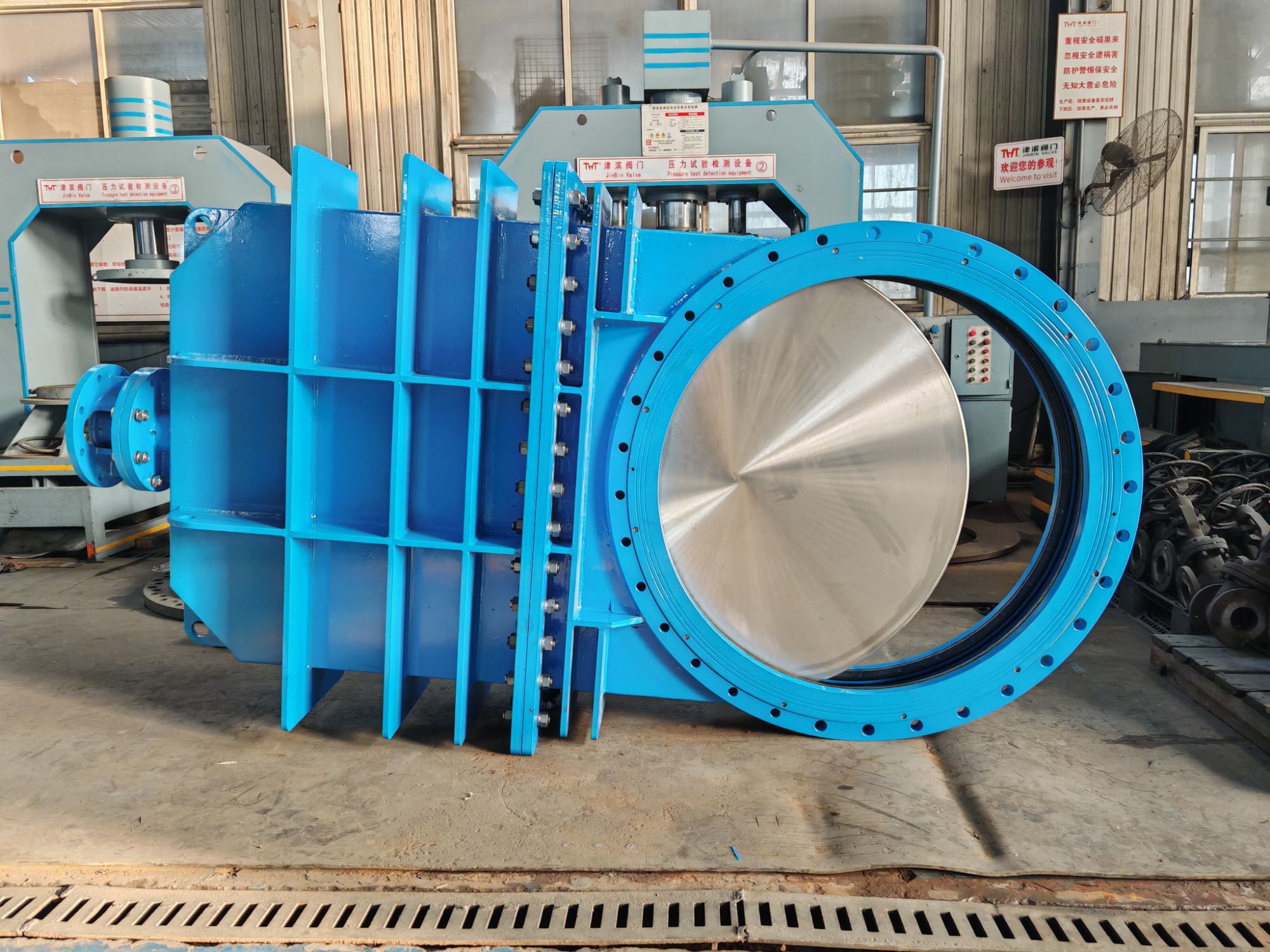
Selecting the right materials for abrasive or corrosive slurries often involves a delicate balance between wear resistance and chemical compatibility. Hard alloys like high-chrome white iron excel against sliding abrasion but can fail quickly in low-pH environments unless carefully matched with the slurry chemistry. Elastomers, on the other hand, absorb particle impacts well and shrug off many acids, yet they soften at elevated temperatures and can be torn by sharp, angular solids. The trick is to map out not just the primary phase but also trace constituents—minor amounts of chlorides or sulfates sometimes dictate the entire material strategy.
Beyond bulk properties, the microstructure matters. A duplex stainless steel with a balanced ferrite-austenite ratio might handle erosion–corrosion synergy better than a fully austenitic grade, while ceramic linings offer extreme hardness but require careful mechanical support to prevent fracture from pressure surges. Field experience shows that seemingly small adjustments—like switching from a weld overlay to a cast-in liner or adjusting the rubber compound’s hardness by a few Shore A points—often determine whether a pump volute lasts six months or six years.
Testing under realistic flow conditions remains indispensable. Lab coupon tests rarely replicate the intense turbulence and varying solids loading found in real pipelines. Pilot-scale loops, instrumented with ultrasonic thickness sensors and electrochemical noise monitors, can reveal how materials degrade over time without waiting for costly failures. This practical feedback helps engineers move beyond generic charts and select alloys or polymers that truly withstand a particular slurry’s peculiar punishment.
Evaluating Seat Designs and Sealing Performance
When assessing seat designs, it’s not just about how a chair looks—it’s about how it interacts with the user over time. The contour of the backrest, the density of foam, and the angle of recline all play a role in determining whether someone stays comfortable after hours of use. A well-evaluated seat design accounts for subtle shifts in posture and weight distribution, ensuring that pressure points are relieved rather than aggravated.
Sealing performance, often overlooked, is what keeps the integrity of the seat intact. In environments where dust, moisture, or temperature fluctuations are common, the way seams and joints are sealed can make or break durability. High-quality sealing prevents internal materials from degrading and keeps the structure stable, even under constant use. This is especially critical in seating used for industrial or outdoor settings, where exposure to the elements demands more than just superficial toughness.
Actuation Options: Matching Operational Demands
Choosing the right actuator isn’t just about force and speed—it’s about how well the entire system aligns with the real-world conditions it’ll face. Electric actuators offer precision and programmability, making them ideal for tasks that demand repeatable positioning or integration with control networks. Pneumatic options shine in high-cycle, lightweight applications where simplicity and rapid movement are priorities. Hydraulic systems, on the other hand, provide the raw power needed for heavy loads and continuous-duty cycles, often at the expense of finer control. The key is to map your operational demands—duty cycle, environment, maintenance access, and energy availability—to the natural strengths of each actuation type.
Beyond basic specifications, the total cost of ownership often tips the scales. An electric actuator might have a higher upfront price but can reduce energy consumption and eliminate the need for compressors or hydraulic power units. Pneumatic systems are economical to install but can bleed efficiency through leaks and compressor runtime. Hydraulics, while robust, require regular fluid maintenance and can pose contamination risks. Matching operational demands means weighing these long-term factors against the immediate performance requirements, ensuring the chosen solution doesn’t just work at commissioning but continues to deliver under the actual stresses of daily operation.
Customization Opportunities Through OEM Partnerships
OEM partnerships unlock a level of product tailoring that off-the-shelf solutions simply can't match. By collaborating directly with manufacturers, businesses gain the ability to tweak components, adjust performance specs, and even influence the industrial design early in the development cycle. This means you're not just slapping a logo on a generic device—you're shaping how the product functions and feels from the inside out, ensuring it aligns perfectly with your brand's unique needs.
Beyond hardware, these relationships often extend into firmware and software customization, allowing for bespoke user interfaces or proprietary features that set your offering apart. Whether it's a specialized sensor configuration for a medical device or a ruggedized chassis for outdoor use, OEM partners bring the engineering muscle to make it happen without reinventing the wheel. The result is a product that carries your identity through every detail, building customer loyalty through genuine differentiation.
What truly stands out is the speed and scalability this model provides. Instead of building a factory from scratch, you tap into existing production lines and supply chains, tweaking them to your specifications. This agility lets you respond to niche market demands or pivot quickly when trends shift, all while keeping costs predictable. In a landscape where one-size-fits-all is fading, OEM collaboration turns customization from a luxury into a practical, competitive advantage.
Long-Term Reliability and Maintenance Insights
When evaluating the lifespan of industrial equipment, it's easy to focus solely on initial build quality. However, true long-term reliability is shaped by a quiet, ongoing dialogue between the machine and its operating environment—factors like ambient humidity, load variance, and minute power fluctuations often leave more lasting fingerprints than factory specs. Paying attention to these subtle stressors early on can prevent patterns of wear that no amount of scheduled maintenance can fully reverse.
A common blind spot in maintenance planning is treating all components as if they age at the same rate. In reality, thermal cycling near control boards or vibration hotspots near mounting brackets can create micro-failures that spread silently. Instead of rigid calendar-based servicing, seasoned teams map failure signatures over time, adjusting intervention points based on actual condition data rather than generic intervals. This shift from reactive to predictive thinking often halves unplanned downtime.
Beyond sensors and analytics, institutional memory is the unsung hero of reliability. The operator who knows that a subtle hum changes pitch before a bearing seizes, or that a slight temperature uptick in a hydraulic line precedes a seal failure, holds insights no dashboard can capture. Building a culture where these observations are logged, shared, and respected turns tribal knowledge into a structured defense against recurring issues—keeping equipment in service longer and with fewer surprises.
FAQ
An OEM knife gate valve is a specialized shut-off valve designed for tough, slurry-type media. The 'knife' refers to the sharp-edged gate that can cut through thick fluids and solids, making it ideal for industries like mining, wastewater treatment, pulp and paper, and chemical processing. OEM means it's built to a specific manufacturer's design and quality standards, often interchangeable with well-known brands.
Start by understanding your media. Is it abrasive, corrosive, or contains large solids? The valve must handle the toughest part of your process without jamming or wearing out quickly. Also, check the pressure and temperature range—knife gate valves are typically for low-pressure applications, but some can handle higher ratings if designed for it.
Material selection is driven by your process fluid and environment. For general slurry, cast iron bodies with stainless steel gates are common. If you have corrosive chemicals, you'll need full stainless steel or even specialty alloys like 2205 duplex. In highly abrasive services, hardened gate materials or coatings like Stellite can greatly extend valve life.
The seat choice affects leak-tightness and service life. Metal seats tolerate high temperatures and abrasion but may not be zero-leak. Resilient elastomer seats (like EPDM, NBR, or PTFE) offer better sealing for liquids and light slurries. For zero-leakage isolation in both directions, look for a bi-directional resilient-seated design with a secondary seal.
Don't just match your pipe size. In slurry services, oversizing can lead to settling and clogging. Use flow calculations to size the valve for the required Cv, and consider a full-bore design to minimize pressure drop. Pressure class usually follows ANSI 150, but confirm your system's maximum operating pressure and any surge conditions.
Absolutely. Most OEM knife gate valves can be equipped with pneumatic, electric, or hydraulic actuators. Specify your available power source and control signal (e.g., 4-20 mA, Profibus). Also, look for valves that offer open/close position indicators and limit switches for remote monitoring.
Key custom features include hard-faced gates for abrasive media, purge ports to flush the seat area, jacket cavities for steam or heat tracing, and locking devices for safety. If you're replacing an existing valve, an OEM can often match the face-to-face dimensions and bolt pattern to make the swap seamless.
Look beyond the purchase price. Consider mean time between failures, ease of maintenance, and parts availability. A valve that's cheap up front but needs frequent seat or packing replacements can cost far more over its lifetime. Ask for reference installations and service life data from the manufacturer.
Conclusion
Selecting the right OEM knife gate valve starts with a clear understanding of how it will integrate into your existing system. This means accurately determining the required size and matching the connection standards—whether flanged, wafer, or lug type—to avoid misalignment and leakage risks. Material choices then come into play, especially when dealing with abrasive, corrosive, or high-solid slurries. For tough services, options like high-chrome alloys, duplex stainless steel, or elastomer-lined bodies can drastically extend service life. But even the best materials won't perform well if the seat design is wrong. A metal seat can withstand high temperatures and aggressive media, while a resilient seat provides drip-tight shut-off in less extreme conditions. Evaluating the sealing mechanism under actual process pressure and media characteristics is a step many overlook, yet it’s often the difference between a reliable isolation valve and a maintenance headache.
Once the basic configuration is set, attention turns to how the valve will be operated and supported over time. Actuation should match real operational demands: simple handwheel operation may suffice for accessible, low-cycle applications, but automated pneumatic or electric actuators become essential for remote, high-frequency, or safety-critical duties. Partnering directly with an OEM unlocks deeper customization—from specialized coatings and non-standard body materials to integrated instrumentation and tailored packing systems—that can be spec’d in from the start rather than retrofitted later. Finally, look beyond initial cost to long-term reliability. Ask about ease of packing replacement, availability of spare parts, and the OEM’s track record for support. A valve designed with simple maintenance in mind, backed by responsive engineering teams, will keep downstream operations running and ultimately lower total cost of ownership.
Contact Us
Contact Person: Su Zhang
Email: [email protected]
Tel/WhatsApp: +86-25219206
Website: https://www.tht-valve.com/