

Nonwoven Geotextile Exporter Insights: Quality Solutions for Global Infrastructure Projects
2026-05-30
In the realm of global infrastructure, the unseen layers often determine a project’s longevity. Nonwoven geotextiles play that silent yet critical role, from stabilizing soil to filtering water. As demand surges for reliable geosynthetics, WEN FENG STONE has emerged as a trusted partner for exporters and engineers alike. But what truly separates premium solutions from the rest? This blog peels back the layers—offering unfiltered insights into quality, sourcing, and the evolving standards that shape modern construction worldwide.
Why Global Infrastructure Giants Rely on Premium Nonwoven Geotextiles
In major infrastructure projects—from transcontinental highways to coastal defense systems—material failure isn't an option. Premium nonwoven geotextiles offer unmatched reliability through their high tensile strength, puncture resistance, and consistent hydraulic properties. Unlike traditional woven counterparts, their three-dimensional fiber structure provides superior filtration and separation capabilities even under extreme loads. This consistency eliminates costly field adjustments and reduces long-term maintenance risks, making them the default choice for engineers who can't afford surprises.
Beyond basic separation, these advanced materials actively extend infrastructure lifespan by preventing soil intermixing and facilitating drainage in ways that rigid solutions cannot. In applications like landfill liners or railway ballast reinforcement, premium nonwovens maintain their permeability while resisting chemical degradation and biological attack for decades. Their ability to conform to irregular subgrades without creating weak planes makes them especially valued in seismic zones and areas with expansive soils.
Procurement specialists at multinational firms also recognize that premium nonwovens simplify logistics and installation. Their roll sizes can be custom-engineered to minimize seams, reducing labor costs and potential failure points. The material's flexibility allows rapid deployment in remote locations without heavy equipment, directly impacting project timelines. When a single day of downtime can cost millions, the upfront investment in premium geotextiles becomes negligible compared to the financial and reputational consequences of a compromised foundation.
From Factory Floor to Remote Project Sites: A Seamless Export Journey
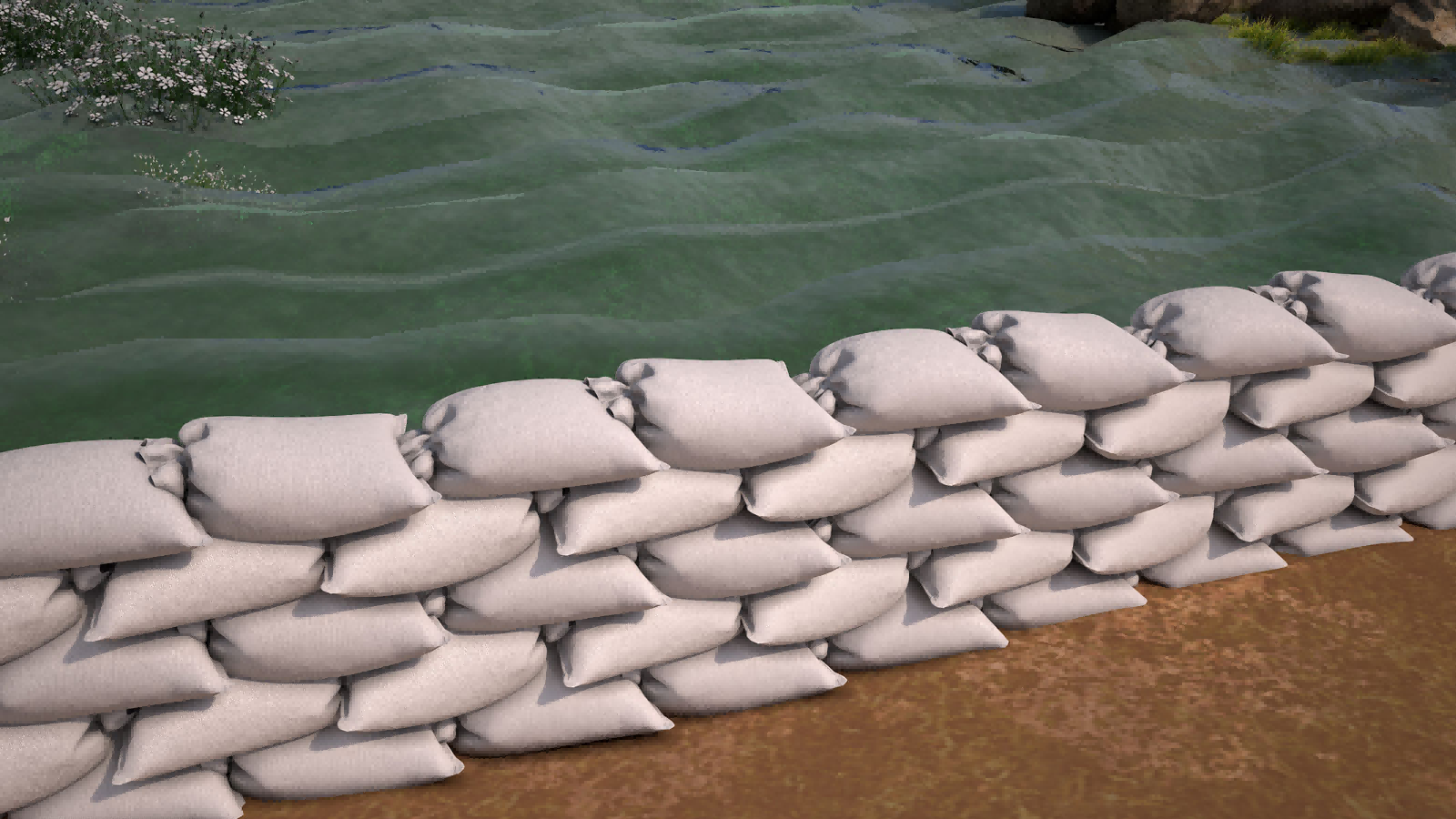
The journey begins on the factory floor, where each component undergoes rigorous multi-stage inspections before it earns a release stamp. Custom calibration rigs simulate the exact voltage and temperature swings the equipment will face in the field, so no surprises wait at the other end. Once cleared, every unit receives a unique digital passport linking it to its bill of materials and test logs—this traceability stays with the hardware all the way to the remote site.
Crating is never an afterthought. Shock-absorbing foam cradles are milled to fit each machine’s profile, and vacuum-sealed barrier bags lock out humidity for ocean crossings. We pre-book space on hybrid vessels that combine containerized freight with breakbulk capability, meaning awkwardly shaped assemblies don’t sit idle at the port. Live GPS and accelerometer feeds let the team back at headquarters watch the shipment’s every mile, ready to reroute around strikes or weather that could delay the final leg.
Arrival at the project site is treated as the last quality gate. A dedicated commissioning crew flies in ahead of the cargo to prep foundations and line up local handling equipment. Instead of leaving a stack of manuals, we preload tablets with interactive 3D models that overlay step-by-step assembly onto the physical hardware via augmented reality. Remote experts remain on standby for video calls, but the handover typically runs so smoothly that the site crew is running acceptance tests within a day of unboxing.
Unseen Strength: How Nonwoven Fabrics Reinforce Earth’s Biggest Builds
Beneath the towering dams and sprawling highways lies a quiet revolution in civil engineering—nonwoven fabrics. These engineered textiles, often overlooked, are critical in stabilizing soil, managing water, and extending the life of massive infrastructure. Unlike their woven counterparts, nonwovens provide a three-dimensional matrix of fibers that create a durable, permeable layer, allowing water to pass while preventing soil migration. This simple yet profound mechanism transforms soft, unstable ground into a solid foundation capable of supporting the weight of modern megastructures.
What makes nonwovens uniquely suited for these monumental tasks is their versatility in design. By adjusting fiber composition, bonding methods, and thickness, engineers tailor geotextiles to the precise demands of a project—whether it’s reinforcing a coastal embankment against relentless waves or separating aggregate layers under a railway line. The fabric’s random fiber orientation distributes stress evenly, reducing the risk of punctures and tears. It acts as an unseen guardian, quietly absorbing lateral forces and minimizing settlement, often extending the lifespan of a structure by decades.
Far from the spotlight, these materials are reshaping how we build on challenging terrains. From subarctic permafrost to tropical floodplains, nonwovens adapt to extreme conditions, resisting biodegradation and chemical erosion. Their lightweight nature and ease of installation also slash construction time and carbon footprint compared to conventional methods like concrete or steel reinforcement. In an era of climate uncertainty and aging infrastructure, nonwoven fabrics offer a resilient, cost-effective solution that works silently beneath our feet, proving that sometimes the greatest strength is the one you never see.
Sustainable Threads: Eco-Conscious Geotextiles for Modern Megaprojects
Megaprojects demand materials that can endure decades of stress while respecting the planet. Geotextiles woven from recycled polyester or bio-based fibers are quietly reshaping how engineers approach soil stabilization and erosion control. Instead of relying on virgin synthetics, these fabrics repurpose post-consumer plastics or agricultural byproducts, offering tensile strength on par with conventional options without the heavy carbon toll. The shift isn’t just about ticking green boxes—it’s about rewriting the lifecycle math for infrastructure that spans generations.
Behind every reinforced embankment or silt fence, there’s a growing preference for geotextiles that can be reclaimed or left to biodegrade once their structural duty ends. Some are infused with natural fibers like jute or coir, breaking down gracefully and leaving behind nutrient-rich residue that nurtures surrounding vegetation. Others are engineered as closed-loop systems, pulled from the ground, cleaned, and fed back into manufacturing cycles. This circular mindset challenges the old take-make-dispose model, turning construction sites into testing grounds for materials that work with ecosystems rather than against them.
Field trials on highway expansions and coastal defenses are revealing another layer of value. Permeable designs improve drainage while filtering sediments, reducing runoff pollution without extra treatment steps. Vegetation takes root more easily through these fabrics, creating living barriers that strengthen over time. It’s a quiet fusion of engineering pragmatism and ecological insight—where a humble fabric becomes a mediator between massive human ambition and the landscapes we reshape.
Navigating International Standards with Precision-Engineered Solutions
Meeting international standards can feel like threading a needle while the thread keeps changing thickness. Our approach isn’t about chasing checklists—it’s about embedding compliance into the design itself, so your product lands smoothly in any market without last‑minute scrambles.
We map the subtle differences between regional regulations early, then shape mechanical and electronic systems to satisfy multiple frameworks at once. This means fewer redesigns, clearer certification paths, and components that behave predictably whether they’re destined for Berlin, Tokyo, or São Paulo.
The real advantage shows up when standards evolve. Because our solutions are built around modularity and traceable documentation, adapting to a new directive or norm rarely means starting from scratch. You stay ahead without tearing up the blueprint.
Beyond the Roll: Customized Support for Complex Infrastructure Demands
Steel isn't just a commodity—it's a critical component in projects where tolerances are tight and timelines tighter. Our approach moves past standard mill output, diving deep into your specific structural, mechanical, or pressure-retaining requirements. From precise cut-to-length services to detailed metallurgical testing, every step is calibrated to ensure the material not only meets but aligns perfectly with your design intent, eliminating costly rework on-site.
Complex infrastructure often demands more than what's listed on a spec sheet. That's why we embed ourselves in your planning phase, offering material selection guidance that balances performance with budget. Our teams manage mill runs, hold inventory against firm schedules, and stage deliveries so you never face idle crews. It's a level of synchronization that treats steel supply as an integrated part of your project cycle, not just a transaction.
When conditions get unconventional—high seismic zones, extreme temperatures, or aggressive chemical exposure—our technical support extends to failure analysis and solution engineering. We weld sample joints, conduct charpy tests, and trace heat numbers back to the original cast. This isn't about adding complexity; it's about removing uncertainty so you can execute with confidence, knowing your steel partner has already thought three steps ahead.
FAQ
Key indicators include consistent tensile strength, high puncture resistance, and reliable hydraulic properties. The material should maintain uniform weight and thickness across rolls, verified through ISO or ASTM testing protocols, to ensure long-term stability in demanding environments like road bases or erosion control systems.
They use reinforced packaging with moisture barriers and UV-resistant wrapping. Rolls are often palletized and strapped to prevent shifting at sea. Some add embedded tracking and climate data loggers to monitor conditions, ensuring the geotextile arrives at the project site with factory-fresh performance characteristics.
Nonwoven varieties provide a three-dimensional pore structure that permits high water flow while trapping fine soil particles. This makes them particularly effective in underdrains, retaining wall backfills, and landfill leachate systems, where clogging resistance is critical for long-term functionality.
Extreme UV exposure and temperature swings demand geotextiles with enhanced stabilization packages. Exporters must adapt their formulations by adding carbon black or other stabilizers at the production stage, and often provide local technical teams to guide installation under harsh conditions.
Yes, dual-function grades are engineered with an optimized balance of mass per unit area and tensile modulus. These versatile fabrics prevent aggregate subgrade contamination while adding structural support, which is particularly useful in soft-soil road construction where efficiency matters.
Beyond internal lab tests, they may send batch samples to independent third-party laboratories for certification. Clients also receive detailed technical data sheets, and some exporters arrange on-site visits or live video inspections of the production line and warehousing process.
By enabling longer service life with less frequent repair, they reduce material demand over the project lifespan. Some are produced from recycled polyester fibers, and their use can minimize aggregate thickness, lowering carbon footprint. At end-of-life, certain types can be recovered for energy use.
Consistent quality from batch to batch, technical guidance from design through installation, and inventory flexibility to handle unexpected construction delays. Trustworthy suppliers also maintain transparent communication channels and can quickly adapt to changing site requirements or modified specifications.
Conclusion
For major infrastructure projects — from highways snaking across continents to coastal defenses holding back the sea — the choice of geotextile isn't left to chance. Premium nonwoven geotextiles have become indispensable because they consistently deliver filtration, separation, and reinforcement under extreme conditions. Unlike traditional materials, these fabrics don't rot or corrode; they work silently beneath millions of tons of soil and rock, distributing loads and preventing erosion. Leading exporters understand that modern megaprojects also demand eco-conscious solutions, so they’ve pioneered geotextiles made from recycled fibers or designed for long-term durability that reduces replacement cycles. This blend of hidden strength and sustainability is why global contractors insist on certified nonwoven textiles for their most ambitious builds.
Getting these engineered fabrics from a factory floor to a remote construction site in another hemisphere takes more than just shipping containers. Reputable exporters orchestrate a smooth journey, handling complex logistics and customs clearance so that rolls arrive on schedule, even in challenging locations. At every stage, precision matters — not just in manufacturing, but in aligning with international standards like ISO and ASTM that govern tensile strength, pore size, and chemical resistance. Because every project has unique stresses, the best suppliers go beyond the roll: they offer customized support, from recommending the right weight and permeability to providing on-site guidance. That level of service turns a simple material into a reliable component of the world’s most demanding infrastructure networks.
Contact Us
Contact Person: Jennifer LEE
Email: [email protected]
Tel/WhatsApp: 8618553418999
Website: https://vip.e-baixing.com/wenfengshitong