

New Type Laser Therapy Device Revolutionizes Pain Relief and Healing
2026-06-01
Imagine ditching the pills and skipping endless clinic visits—sounds too good to be true? Meet the new laser therapy device that's quietly rewriting the rules of pain relief and tissue repair. No drugs, no downtime, just targeted, soothing light that gets your body back to doing what it does best: healing itself. At the heart of this quiet revolution is GUANG TAI, a name that's become synonymous with precision and innovation in therapeutic lasers. Whether you're an athlete chasing faster recovery or someone tired of living with chronic aches, this isn't just another gadget—it's a whole new mindset for wellness. So, what makes this device different from the dozens you've already seen? And why are top clinics and home users alike suddenly paying attention? Stick around—the science behind it might just surprise you.
Breakthrough in Non-Invasive Pain Management
Pain management has long been a balancing act between efficacy and risk. For years, patients have relied on pharmaceuticals that often come with a host of side effects or invasive procedures that require lengthy recovery. Now, a quiet revolution is taking shape—one that bypasses drugs and scalpels entirely. Researchers are uncovering ways to modulate pain signals using technologies that interact directly with the body’s neural pathways, offering relief that feels almost intuitive.
At the core of these breakthroughs is a deeper understanding of how pain is processed. Rather than simply blocking discomfort, new devices and therapies aim to retrain the nervous system. For instance, wearable neuromodulation tools now use targeted electrical or magnetic pulses to calm overactive nerves, while biofeedback systems teach patients to visually regulate their own physiological responses. The results have been striking: many individuals report not just temporary relief, but lasting changes in their pain thresholds.
What makes this approach so compelling is its personalization potential. Unlike one-size-fits-all medications, non-invasive techniques can be calibrated to each patient’s unique pain patterns. Clinicians are already combining real-time imaging with adaptive algorithms to fine-tune treatments on the fly. This shift doesn’t just manage symptoms—it empowers patients to understand and influence their own pain, blurring the line between therapy and self-mastery.
How the Device Accelerates Natural Healing Processes
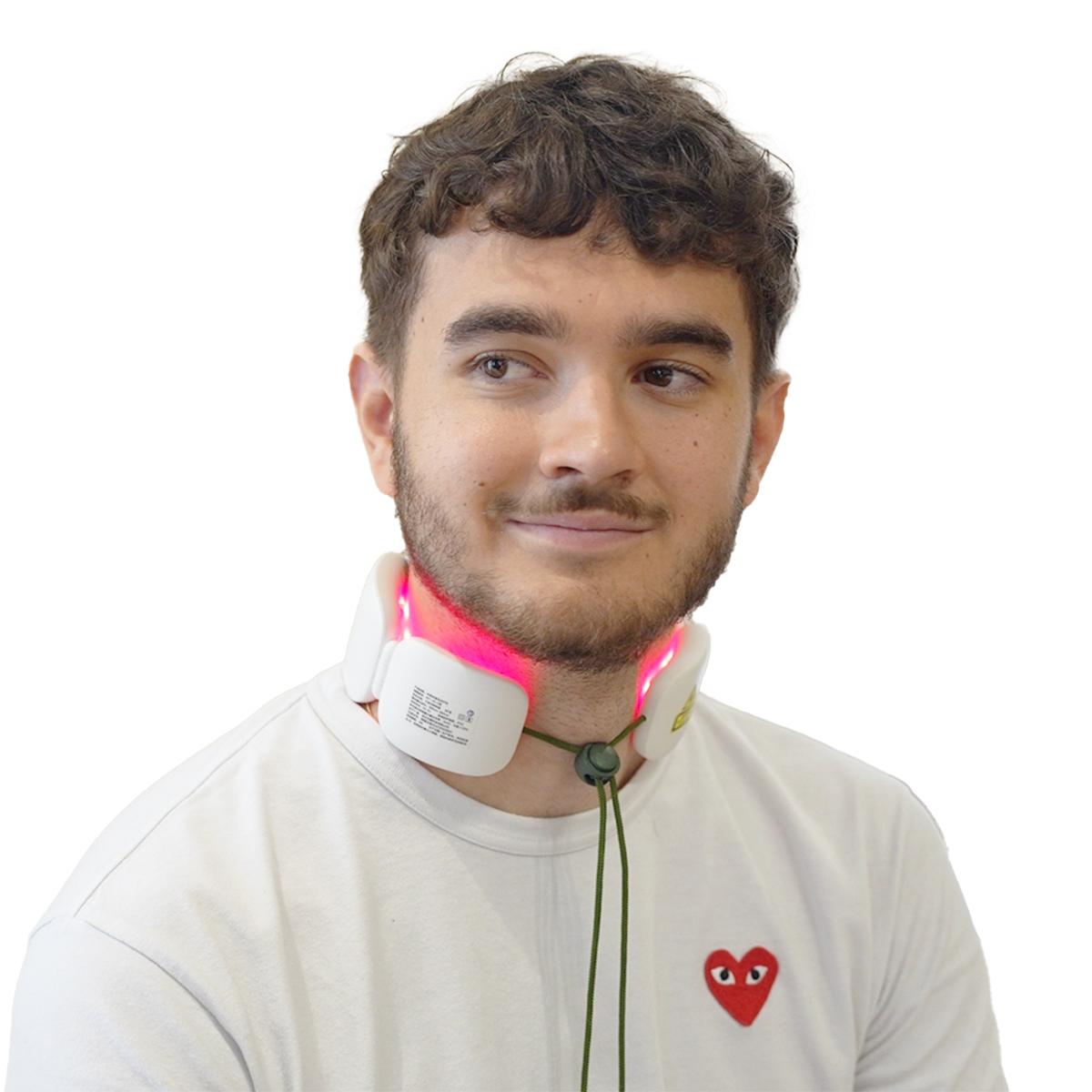
The device uses gentle microcurrents that mirror the body’s natural electrical rhythms, quietly signaling cells to shift into repair mode. This understated nudge amplifies the healing cascade already in motion, trimming recovery time without any abrasive interference. It’s a low-profile assistance that works with your biology, not against it.
Local blood flow and oxygen delivery see a noticeable lift, helping essential nutrients reach stressed tissues more efficiently. At the same time, metabolic waste gets cleared faster, crafting a cleaner, more supportive space for regeneration. Many people find their discomfort eases sooner and daily movements become fluid again.
Key Features That Set It Apart from Traditional Therapies
Unlike conventional talk therapy that often stays surface-level, this approach digs into the neural roots of distress. It uses targeted exercises to retrain the brain’s threat response, giving you direct access to patterns that usually slip past conscious thought. The result is a process that feels less like endless analyzing and more like a tangible shift in how your nervous system reacts to stressors.
Another standout is the emphasis on body-based feedback. Traditional methods might overlook the physical echoes of trauma or anxiety, but here we treat bodily cues as essential data. Through real-time tracking and somatic exploration, you learn to renegotiate your physiological baseline, breaking cycles that talk alone can’t touch. It’s a dialogue between mind and body that produces faster, deeper relief.
Perhaps most disruptive is the time frame. Standard therapy can span months or years with ambiguous milestones. This model is built around measurable neural shifts, often yielding noticeable results in a handful of sessions. By focusing on concrete changes in brain function rather than abstract insight, it offers a direct path from distress to equilibrium that defies the slow-and-steady stereotype.
Real-World Applications: From Chronic Pain to Sports Injuries
The journey from chronic pain to sports injuries often leads patients through a maze of treatments, but real-world applications are transforming recovery. For those suffering from long-term discomfort, techniques like graded motor imagery and neuromodulation are quietly revolutionizing pain science—helping the brain rewire faulty signals without heavy reliance on medication.
In the realm of athletics, practical solutions now blend biomechanics with instant biofeedback. Runners with knee strains and soccer players nursing torn ligaments are using wearable sensors and motion-capture apps that offer real-time corrections, turning abstract rehab exercises into tangible, everyday habits. It’s an on-the-field shift that puts control back in the athlete’s hands.
What ties these worlds together is a growing emphasis on personalized, movement-based care. Whether it’s a desk worker with persistent backache or a gymnast recovering from a sprain, the common thread is replacing passive therapies with active, context-aware interventions that treat the person—not just the diagnosis.
Patient Success Stories: Rapid Recovery and Lasting Relief
At just six weeks post-surgery, marathon runner Elena crossed the finish line of her first race back—pain-free and beaming. Her journey from chronic knee agony to reclaiming the starting line wasn't just about swift healing; it was a profound transformation. The personalized recovery plan, blending innovative physical therapy with holistic wellness support, meant she spent less time sidelined and more time logging miles. Elena's story is one of many where individuals aren't simply restored to their former selves but emerge stronger, with a renewed lease on life.
For Mark, a lifelong carpenter, debilitating hand tremors had stolen his livelihood and simple joys like holding a coffee cup steady. After a minimally invasive procedure, he noticed a dramatic difference within days. By week four, he was back in his workshop, chisel in hand, with a steadiness he hadn’t experienced in years. The lasting relief went beyond physical repair—it revived his sense of purpose. These aren't just recoveries; they're real-world resurrections of daily independence, where each patient’s unique goals shaped a tailored path to enduring wellness.
Then there's Linda, who battled years of sciatica that left her dreading even short walks with her grandchildren. What set her experience apart was the emphasis on education alongside treatment—understanding her body's healing process empowered her to actively participate in her own recovery. The rapid easing of pain was just the start; months later, she's not only pain-free but equipped with habits that prevent recurrence. These narratives underscore a truth: true relief isn't a fleeting fix, but a foundation for a vibrant, unencumbered future built one successful step at a time.
The Future of Laser Therapy: What’s Next?
Laser therapy is branching into entirely new territory with the rise of wearable and at-home devices. These compact tools are being designed to deliver targeted low-level laser light for pain management, skin rejuvenation, and even hair regrowth without the need for clinic visits. Engineers are refining battery life and safety protocols so that effective doses can be administered during daily routines, potentially shifting chronic care from occasional sessions to continuous, low-impact maintenance. The convenience factor alone could make laser therapy a staple in personal health kits, much like fitness trackers have normalized daily biometric monitoring.
Beyond the consumer market, researchers are pairing lasers with smart imaging systems to create closed-loop therapies that adapt in real time. For instance, a laser equipped with optical coherence tomography could scan tissue before, during, and after treatment, automatically adjusting its wavelength, pulse duration, and power output based on how the tissue responds. This dynamic feedback loop promises to minimize collateral damage and maximize therapeutic effect, especially in delicate areas like the eye or nervous system. Early prototypes are already showing that such adaptive systems can reduce patient discomfort and speed up recovery compared to conventional static protocols.
Another frontier is the integration of laser therapy with biological agents, often called photodynamic priming. Here, a brief laser exposure sensitizes target cells, making them more receptive to drugs, gene therapies, or immunotherapies administered right after. This combination allows for lower drug doses, fewer side effects, and more precise action—an approach that could redefine treatment for stubborn cancers or chronic infections. Preclinical studies suggest that the right sequence of light and drug can turn a modest pharmaceutical effect into a robust, durable response, opening the door to personalized protocols where the laser parameters are tailored to each patient’s cellular makeup.
FAQ
It uses a specific wavelength that penetrates deeper into tissue without heating the skin. The pulsed mode also stimulates cellular repair more effectively, so relief comes faster and lasts longer.
Yes, many users report significant improvement. The light energy reduces inflammation and promotes blood flow, which targets the root cause of lingering discomfort rather than just masking it.
For acute issues, sometimes a single session brings noticeable change. Chronic problems may need a few weeks of consistent use, but most people feel a difference within the first week.
Not at all. You might feel a mild warmth, but it’s completely bearable. There’s no need for numbing or painkillers, and you can resume daily activities immediately after.
Pregnant women, people with active cancer at the treatment site, or those with light-triggered conditions should consult a doctor first. But for the vast majority, it’s a low-risk option.
Coverage varies. Some plans include it under physical medicine, but many out-of-pocket costs are manageable since sessions are shorter and fewer are needed compared to traditional methods.
There are portable versions designed for personal use. They come with clear guides, so many people safely self-administer. However, professional oversight is recommended for complex injuries.
Conclusion
A new type of laser therapy device is reshaping the way we approach pain relief and recovery, offering a gentle yet powerful alternative to conventional treatments. By delivering targeted photonic energy deep into tissues, this breakthrough technology stimulates cellular repair without the need for drugs or invasive procedures. Unlike traditional lasers that merely mask discomfort, this device works at the mitochondrial level, enhancing the body’s innate healing mechanisms. Its unique pulse modulation ensures that therapeutic wavelengths penetrate precisely where needed, minimizing inflammation and jump-starting tissue regeneration. For patients weary of side effects from medications or the downtime associated with surgery, this innovation brings a practical, science-backed solution that fits seamlessly into daily life.
What truly sets this device apart is its versatility across a spectrum of conditions—from chronic arthritis pain to acute sports injuries. Physical therapists and clinicians are integrating it into rehabilitation protocols, noting accelerated recovery times and reduced need for supplemental therapies. The hand-held design with intuitive controls makes it accessible for at-home maintenance after in-clinic guidance, empowering patients to take charge of their healing journey. Early adopters report not just temporary relief but sustained improvement, with many returning to activities they’d long abandoned. As research continues to refine dosimetry and expand applications, the horizon looks promising: from neuropathy management to post-surgical wound care. This is not a fleeting trend but a paradigm shift, merging biophysics with compassionate care to redefine what’s possible in pain management.
Contact Us
Contact Person: Leon Yi
Email: [email protected]
Tel/WhatsApp: +86 17363316873
Website: https://zzgt.en.alibaba.com/