

Hollow Wall Winding Pipe Machine Supplier Tips for Choosing the Best Equipment
2026-11-16
Choosing a hollow wall winding pipe machine often feels like a gamble — suppliers showcase glossy spec sheets, but the real test happens months later on your production floor. The difference between a smooth-running line and a costly bottleneck usually comes down to how you evaluate the supplier, not just the machine. That’s why we’ve put together these practical selection tips, drawing on what separates dependable manufacturers such as COMRISE from the rest. Read on to find out which equipment features and vendor signals actually deserve your attention.
How to Spot a Hollow Wall Winding Pipe Machine That Will Last
Start by examining the base frame and the winding carriage rails. A machine built to last will have a noticeably heavier, box-section frame with machined mounting pads, not just a collection of welded plates. Run your hand along the carriage rails—look for induction-hardened, chrome-plated surfaces. If the rails are soft or show scoring after limited use, that tells you the alignment will drift and the winding angle will become inconsistent within a few years.
Move to the control cabinet and cable routing. Open the panel; the wiring should be labeled, bundled, and routed away from high-heat areas. Check for a PLC from a recognized brand rather than a generic board, and ask about thermal overload protection on the drive motors. Exposed connectors or cheap limit switches are a reliable early warning sign. A machine that shuts down cleanly on overload will outlast one that keeps running until something burns out.
Finally, ask for a reference site that has run the same model for at least five years—preferably in your type of climate. Don't settle for photos or a demo video. If possible, talk to the maintenance crew, not the sales manager. Also check whether the rollers, bearings, and gearboxes use standard catalog parts. Custom-made wear components can turn a simple repair into a month-long wait and quietly end a machine's useful life.
What Top Suppliers Wish You Knew Before Buying
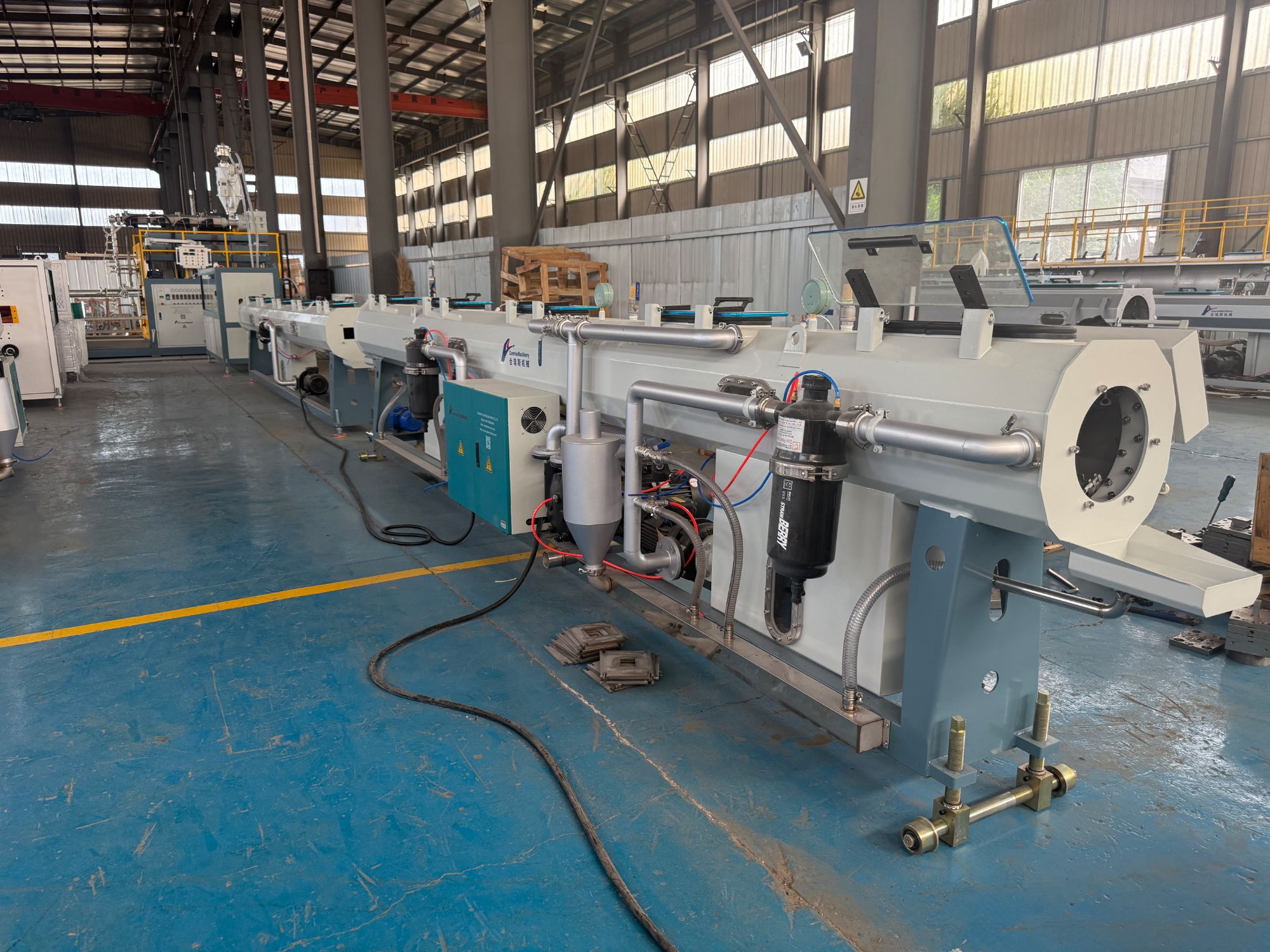
Most buyers assume the lowest quote signals a smarter deal, but seasoned suppliers often see that decision backfire. Production delays, thinner material substitutions, or rushed quality checks tend to surface weeks after payment—long before the goods reach your warehouse. The suppliers we respect most tell us they'd rather lose a bid than watch a client learn this the hard way.
Another quiet frustration is vague specs. A drawing that says "standard finish" or "durable packaging" means almost nothing on a factory floor. Top suppliers wish you'd lock down tolerances, materials, and packaging tests before signing. It saves them from guessing and saves you from a container full of surprises.
Lastly, timelines are not suggestions. When a supplier asks about your true deadline, they're not making small talk. Rushed production costs more, damages relationships, and increases defect rates. Sharing your actual launch date—even if it's flexible—lets them plan honestly. That honesty often saves more money than any unit price negotiation.
The One Specification That Changes Everything
It rarely grabs the headline. You won’t see it printed on the box in giant letters, and most buyers won’t ask about it by name. But once you notice it, every other design decision starts to make sense or fall apart around it. This is the spec that quietly dictates how a device feels after six months, not just on day one.
Think about the difference between raw capability and everyday usability. A higher number on a chart can win a benchmark, but the right baseline in this one area changes how the device handles heat, battery drain, and even software updates over time. Engineers obsess over it because it sets the ceiling for everything else they try to build.
When a manufacturer gets it right, the product doesn’t need to shout. It just stays responsive longer, ages more gracefully, and makes competing gadgets feel like they were tuned for the showroom floor instead of your hands. That’s why this particular figure matters more than the spec sheet suggests.
Why Cheaper Machines Often Cost More in the Long Run
The appeal of a low sticker price is hard to resist, especially when two machines appear to do the same job on paper. But that initial saving tends to unravel once you factor in downtime, replacement parts, and the labor hours spent nursing a finicky unit back to life. A machine that fails mid-task doesn’t just cost you the repair bill; it stalls the work around it, which compounds the loss quietly over time.
Build quality shows up in places you don’t see immediately: the grade of bearings, the thickness of castings, the tolerance on moving parts. Budget machines often skimp exactly there, which means more frequent adjustments, shorter service intervals, and a higher chance of catastrophic failure when pushed hard. Over a few years, the total spend on repairs, lost output, and earlier replacement can easily eclipse the price difference you were so happy about upfront.
There’s also the resale side. Well-built machines from reputable lines tend to hold value because buyers know they can still be rebuilt or passed along. Cheaper units often become scrap once they develop a major fault, because rebuilding them costs more than they’re worth. So the real cost isn’t the number on the invoice today; it’s the accumulating drain across the machine’s entire working life.
A Simple Test You Can Do Before Signing the Contract
Before you put your signature on the dotted line, take the contract to a quiet room and read the first page out loud. If you stumble on a sentence or have to reread a clause three times, treat that as a warning sign, not a personal failure. Most people sign documents they do not fully understand because they assume the other party will explain the gaps later. But by then, the leverage is gone.
Next, try the empty chair test. Imagine you have to sit across from a friend who knows nothing about the deal and explain every promise you are making, every deadline you are accepting, and every penalty you are agreeing to pay. If you cannot do that in plain, everyday language without saying 'it will probably be fine', stop and ask for clarification before moving forward.
Finally, circle the three clauses that would hurt the most if they were enforced exactly as written tomorrow morning. Then ask the other party to cross out or rewrite at least one of them. This is not about being difficult; it is about discovering whether the relationship has room for honest negotiation before you are legally bound to it.
The After-Sales Support Checklist Most Buyers Overlook
Many buyers focus only on specs and price before paying, rarely asking what kind of support they'll actually get if something goes wrong. A truly useful after-sales checklist should include the exact warranty terms—which parts are covered, and how long a repair or replacement typically takes. These details seem minor, but when a product fails, the clarity of those answers directly shapes your experience.
Another often-overlooked point is how reachable the technical support really is. Some companies only offer email with a multi-day response window; others have 24/7 phone or live chat. You need to confirm whether you can talk to a real person during an emergency, rather than getting stuck behind automated replies. Also ask about software update frequency and whether older versions still receive security patches—many buyers forget this until it's too late.
Finally, watch for hidden costs in the return and exchange policy. Some after-sales setups require you to pay return shipping, or they replace defective units with refurbished parts instead of new ones. Adding these specifics to your checklist helps you avoid sellers whose promises sound good but fall short in practice.
FAQ
Start with the pipe diameter range and wall thickness you actually need, then compare screw design, extruder output per hour, and the winding head's rotation accuracy. Ignore glossy brochures—ask for real production logs from their existing customers.
Request a video call during a live production run, not a pre-edited demo. Check the machine's melt pressure stability and whether the quoted kg/h matches the extruder's L/D ratio and motor power. If the numbers don't add up on paper, they won't add up on your factory floor.
For hollow wall winding pipe machines, a single-source line is safer because the extruder, corrugator/winder, and cutter need tight synchronization. Mixing brands often creates finger-pointing when something goes wrong. If you do mix, make sure one party takes full commissioning responsibility in writing.
The winding head's bushings and cooling channels are the usual hidden wear points. Ask the supplier for a 2-year spare parts list with exact part numbers before signing, and check how quickly they can ship those items from local stock—not from a warehouse in another country.
Don't ask 'are you happy?' Ask 'what was your actual scrap rate in the first three months, and how long did it take to fix the worst breakdown?' Also ask if the supplier charged for software updates or remote troubleshooting after the warranty ended.
It's the difference between a machine that runs itself and one that needs constant babysitting. Look for PLC systems with recipe storage for different pipe diameters, automatic wall thickness adjustment, and remote diagnostics that actually work. A cheap control panel will cost you more in wasted material than you save upfront.
Local support wins unless the price gap is massive. A winding pipe machine that sits idle for a week waiting for a foreign technician destroys your delivery schedule. Calculate downtime cost per day, then compare it to the price difference—usually you'll find the cheaper machine isn't cheap at all.
Check the supplier's civil engineering drawings early. The winding section often needs an unusually long, level foundation with vibration isolation, plus a dedicated cooling water loop and compressed air for the corrugator. If your floor can't handle the dynamic load, no amount of machine quality will save you.
Conclusion
A hollow wall winding pipe machine isn't the kind of purchase you can afford to get wrong, yet too many buyers focus on flashy specs instead of build quality. Longevity starts with the frame and the winding head—look for stress-relieved steel, precision-machined mandrels, and a drive system that doesn't rely on cheap belts or undersized gears. Top suppliers will tell you the same: the machine's real value shows up after 5,000 hours, not during the demo. One specification often changes everything—pipe diameter range and wall thickness consistency. If the machine can't hold tolerance across the full range, every other feature is secondary. Before signing, run a simple trial with your own raw material, not the supplier's pre-selected sample. Watch how the machine handles start-up torque, layer adhesion, and cut-off alignment. If the supplier hesitates to let you test under real conditions, that's a signal.
The appeal of a cheaper quote is obvious, but hollow wall winding pipe machines that undercut the market usually hide problems in control electronics, hydraulic seals, or after-sales response. When a $3,000 saving turns into three weeks of downtime, the math stops making sense. Ask about spare parts availability, local service response time, and whether software updates are included. Most buyers overlook the after-sales support checklist—things like remote diagnostics, training for operators, and a clear warranty on wear parts. An honest supplier will discuss failure points openly rather than promising perfection. Choose equipment that's easy to maintain and backed by people who answer the phone after payment. That combination matters more than any polished brochure.
Contact Us
Contact Person: LISA LEE
Email: [email protected]
Tel/WhatsApp: +86 13780696467
Website: https://www.qdpipemachine.com