FRP Manhole Cover Solutions: Enhancing Infrastructure Durability and Efficiency
2026-03-11
In today's fast-paced urban landscapes, infrastructure durability and efficiency are paramount. At Sino Grating, we've pioneered FRP manhole cover solutions that not only enhance these critical aspects but also revolutionize how cities manage their underground utilities. Imagine covers that resist corrosion, reduce maintenance costs, and improve safety—our innovative designs deliver just that. As we delve into this blog, we'll explore the key benefits and applications that set our products apart, offering insights backed by real-world success stories. Join us to discover how these advanced solutions can transform your infrastructure projects and why they're becoming the go-to choice for engineers worldwide.
Innovative Materials Revolutionizing FRP Manhole Covers
Traditionally, FRP manhole covers relied heavily on standard fiberglass and polyester resin combinations, offering decent strength but sometimes falling short in terms of durability against extreme weather or chemical exposure in urban environments. This limitation spurred the development of advanced composite materials that blend high-performance fibers like carbon or aramid with specialized resin systems. These new formulations significantly enhance the load-bearing capacity and resistance to corrosion, making covers more reliable in heavy-traffic areas and industrial zones where conventional materials might degrade faster.
One standout innovation involves the integration of nanotechnology into FRP composites, where nanoparticles are embedded to improve overall structural integrity and thermal stability. This approach not only increases the cover's lifespan by reducing wear and tear but also allows for lighter designs without sacrificing strength, facilitating easier installation and maintenance. As a result, cities adopting these covers report fewer replacements and lower long-term costs, showcasing a tangible shift toward smarter infrastructure solutions.
Beyond performance enhancements, the revolution extends to eco-friendly materials, such as bio-based resins derived from renewable sources, which minimize environmental impact while maintaining high durability. These sustainable options are gaining traction in green building projects, aligning with global efforts to reduce carbon footprints in public works. By combining these varied material advances, the FRP manhole cover industry is transforming from a niche market into a key player in modern urban planning, setting new standards for safety and sustainability.
Boosting Infrastructure Longevity with Cutting-Edge Design
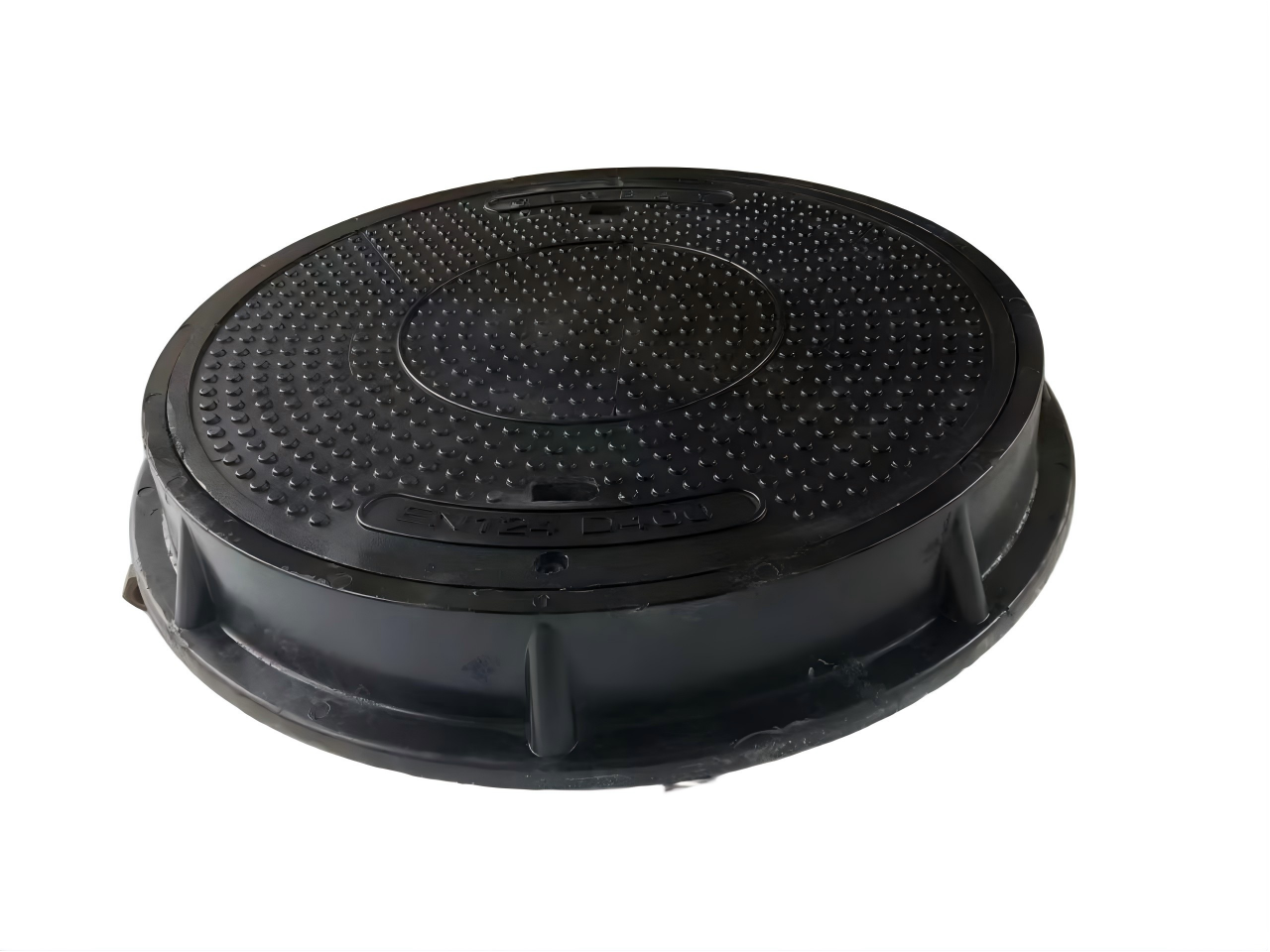
Infrastructure is the backbone of modern societies, but aging assets often struggle to keep pace with growing demands. By integrating cutting-edge design, we can proactively address this challenge, pushing durability and resilience to new heights. Instead of just patching up old systems, innovative approaches like seismic-resistant geometries, corrosion-resistant composites, and self-healing materials extend service life while minimizing maintenance disruptions. This shift transforms infrastructure from a reactive cost center to a long-term strategic asset, ensuring it stands strong for decades to come.
One key aspect is the move toward adaptive and modular designs that evolve with technological and environmental changes. For instance, smart grids in energy infrastructure or flexible roadways that adjust to traffic patterns use real-time data and automation to optimize performance and reduce wear. By embedding sensors and IoT connectivity, these systems predict failures before they happen, allowing for timely interventions that prevent minor issues from escalating into major overhauls. This forward-thinking approach not only boosts longevity but also enhances safety and efficiency in a sustainable, cost-effective manner.
Ultimately, boosting infrastructure longevity is as much about mindset as method. It encourages a lifecycle perspective that prioritizes quality over quick fixes, fostering collaboration among engineers, urban planners, and communities. Through bold, cutting-edge design, we build infrastructure that isn't just built to last—it's built to thrive, supporting vibrant, resilient societies well into the future.
Key Advantages of FRP Covers in Modern Urban Settings
In today's fast-paced city environments, FRP (Fiber Reinforced Plastic) covers offer a sleek and durable solution for infrastructure needs, blending seamlessly into urban landscapes while standing up to heavy use. These covers are not just about protection; they bring a modern aesthetic that elevates public spaces, making them ideal for applications like drainage systems, walkways, and utility access points. What sets them apart is their ability to combine lightweight design with exceptional strength, reducing installation time and costs without compromising on performance or safety in crowded areas.
Beyond their physical benefits, FRP covers excel in adaptability, tailored to meet specific urban challenges such as harsh weather, vandals, or high foot traffic. Unlike traditional materials, they resist corrosion and require minimal upkeep, which means less disruption for city dwellers and lower long-term expenses for municipalities. This reliability ensures that critical infrastructure remains accessible and functional year-round, contributing to smoother urban operations and enhanced public satisfaction without constant maintenance worries.
Moreover, the environmental edge of FRP covers makes them a forward-thinking choice for sustainable city planning. Made from recyclable materials, they support eco-friendly initiatives by reducing waste and energy consumption during production compared to alternatives like concrete or metal. In an era focusing on green urban development, their durability and recyclability help cities minimize their footprint while maintaining robust, attractive public amenities that resonate with modern values and community needs.
Streamlining Installation and Maintenance for Efficiency
Streamlining installation and maintenance processes isn't just about saving a few minutes—it's about transforming how your team operates day-to-day. By simplifying setup steps and reducing common hiccups, we empower users to get systems up and running faster, minimizing downtime and letting everyone focus on what truly matters: the work itself. This approach cuts through unnecessary complexity, turning what used to be a chore into a straightforward task that boosts overall productivity.
When maintenance becomes a seamless part of the workflow rather than a disruptive event, efficiency naturally follows. Our tools are designed with proactive monitoring and easy-access features that allow for quick adjustments without pulling people away from their core responsibilities. This means less time spent on troubleshooting and more on innovation, keeping operations smooth and reliable even as demands evolve. It's about building a foundation that supports growth without adding layers of overhead.
In practice, this streamlined approach translates into tangible benefits like reduced operational costs and heightened team morale. By eliminating redundant steps and automating routine checks, we ensure that both new installations and ongoing upkeep feel intuitive rather than intimidating. The result is a more agile environment where technology serves as a silent partner, quietly enhancing efficiency without drawing attention away from your goals.
Elevating Safety and Performance in Critical Applications
In environments where every decision counts, ensuring that systems operate safely while maintaining peak efficiency is more than just a goal—it's a necessity. Whether it's in healthcare, aerospace, or industrial automation, critical applications demand that performance enhancements never come at the cost of security. By integrating advanced monitoring and real-time analytics, organizations can proactively identify potential failures before they escalate, achieving a delicate balance that drives innovation without compromising reliability.
One often overlooked aspect is how tailored safety protocols can actually boost performance rather than hinder it. For instance, implementing redundant systems or fail-safe mechanisms might seem like overhead, but they enable faster recovery and smoother operations under stress. This synergy allows teams to push boundaries—like increasing throughput in manufacturing lines or improving response times in emergency services—knowing that safeguards are firmly in place to catch any anomalies.
Moreover, the human element plays a crucial role in this equation. Training staff to understand both the technical and safety nuances of these applications ensures that performance gains are sustainable. It fosters a culture where continuous improvement is rooted in proactive risk management, not just reactive fixes. As a result, businesses not only meet regulatory standards but also gain a competitive edge by delivering services that are both robust and agile in the face of unexpected challenges.
Future Trends and Technologies in FRP Manhole Systems
As infrastructure demands grow, FRP manhole systems are evolving with advanced materials and smart integration. Innovations include self-healing composites that repair minor cracks autonomously, enhancing durability in harsh environments. Nanotechnology is being applied to create lighter yet stronger FRP blends, reducing installation costs and extending lifespan. These developments promise more resilient systems that withstand extreme weather and heavy traffic loads, with early adopters in Europe and Asia seeing fewer maintenance issues.
Technology is transforming FRP manholes into connected hubs, with embedded sensors monitoring structural health in real-time. These systems can detect pressure changes, corrosion, or leaks, sending alerts to maintenance teams via IoT networks. In cities like Tokyo, pilot projects use AI algorithms to predict failures before they occur, optimizing repair schedules. This shift toward proactive management not only boosts safety but also cuts long-term operational expenses, making FRP systems smarter investments for urban planners.
Sustainability drives new trends, such as using recycled fibers in FRP production to lower carbon footprints. Green manufacturing techniques are emerging, like low-energy curing processes that reduce environmental impact. Companies are also exploring modular designs for easier upgrades and recycling at end-of-life, aligning with circular economy principles. These eco-friendly approaches, coupled with stricter regulations, are pushing the industry toward greener solutions without compromising performance, setting FRP manholes apart in competitive markets.
FAQ
FRP (Fiber Reinforced Polymer) manhole covers are made from composite materials like fiberglass and resin, offering superior durability and corrosion resistance compared to traditional cast iron or concrete covers.
They are lightweight, making installation and maintenance easier and faster, reducing labor costs and downtime, while also minimizing theft risks due to lower scrap value.
FRP covers resist corrosion from chemicals, saltwater, and extreme weather, preventing rust and degradation that can compromise structural integrity over time.
Lower long-term maintenance costs due to minimal repair needs, reduced installation expenses, and decreased risk of damage from environmental factors lead to overall savings.
Yes, they can be tailored in size, shape, load-bearing capacity, and color to meet local requirements and blend with urban aesthetics.
Their lightweight nature allows for safer handling, reducing injury risks, and they often feature non-slip surfaces and easy-open designs to improve usability.
Conclusion
FRP (Fiber Reinforced Polymer) manhole cover solutions represent a significant technological advancement in modern infrastructure, combining innovative materials with state-of-the-art design to revolutionize urban maintenance. By leveraging composites like fiberglass or carbon fiber embedded in resins, these covers offer exceptional strength-to-weight ratios, corrosion resistance, and durability, effectively addressing the shortcomings of traditional cast iron or concrete alternatives. This material innovation not only reduces the risk of theft—due to lower scrap value—but also minimizes environmental impact through longer lifespans and recyclability. In modern urban settings, the key advantages extend beyond durability, including enhanced safety through anti-slip surfaces and customizable load ratings, which are crucial for supporting heavy traffic and diverse applications. Streamlined installation and maintenance processes further contribute to efficiency, as lightweight covers can be handled more easily, reducing labor costs and downtime during repairs, while their modular designs allow for quick replacements without extensive excavation.
Looking ahead, future trends in FRP manhole systems are poised to integrate smart technologies, such as embedded sensors for real-time monitoring of structural integrity or environmental conditions, ensuring proactive maintenance and improved urban resilience. Cutting-edge design elements, like ergonomic shapes and noise-reduction features, boost infrastructure longevity by preventing wear and tear in high-traffic areas. By elevating safety and performance in critical applications—from wastewater management to telecommunications—these solutions foster safer, more efficient cities. Overall, FRP manhole covers not only enhance infrastructure durability and efficiency but also support sustainable urban development, making them a forward-thinking choice for municipalities and engineers aiming to build resilient, cost-effective systems for the challenges of tomorrow.
Contact Us
Contact Person: Nicholas Zhu
Email: [email protected]
Tel/WhatsApp: 18921275456
Website: https://www.sino-grate.com