

Explore Top-Quality Q235B Solar Steel Manufacturers in China
2026-01-30
In the rapidly expanding world of renewable energy, sourcing high-quality solar steel is crucial for building durable and efficient solar structures. As global demand for sustainable solutions grows, many turn to China for reliable manufacturers of materials like Q235B steel. In this blog, we delve into the top manufacturers who excel in producing this essential component, ensuring your projects meet the highest standards. Discover how leading companies, including Energet Solar, are setting benchmarks in innovation and quality, making them go-to partners in the solar industry. Join us as we explore what makes these manufacturers stand out and why they are trusted worldwide for their commitment to excellence.
Understanding the Key Properties of Q235B Steel for Solar Applications
Q235B steel stands out in solar applications due to its balanced combination of strength, ductility, and cost-effectiveness. This low-carbon structural steel, classified under Chinese standards, offers a tensile strength ranging from 370 to 500 MPa, making it robust enough to withstand environmental stresses like wind and snow loads in solar panel mounting systems. Its carbon content, typically around 0.12% to 0.20%, ensures good weldability, which is crucial for assembling frames and supports on-site without compromising structural integrity. Unlike some high-alloy alternatives, Q235B provides a practical solution that simplifies fabrication while maintaining durability in outdoor settings, making it a popular choice for projects prioritizing both performance and budget.
In solar installations, Q235B's corrosion resistance plays a key role, though it often requires protective coatings or galvanization to enhance longevity in harsh conditions. Its moderate yield strength of 235 MPa allows for flexible design adaptations, supporting various panel configurations without excessive material use. This steel's adaptability shines in custom solar structures, where engineers can leverage its mechanical properties to optimize weight distribution and reduce overall system costs. By focusing on these tailored aspects, Q235B helps streamline installation processes, contributing to faster deployment and lower maintenance needs over the lifespan of solar arrays.
Beyond basic specifications, Q235B steel's thermal conductivity and fatigue resistance are subtly advantageous for solar applications. It efficiently dissipates heat from panels, preventing overheating that can degrade performance, while its ability to endure cyclic loading from daily temperature fluctuations ensures long-term reliability. These nuanced benefits, combined with widespread availability, make Q235B a go-to material for both small-scale residential setups and large commercial solar farms, where consistency and ease of sourcing are as important as technical specs.
How Leading Chinese Manufacturers Optimize Q235B Production Efficiency
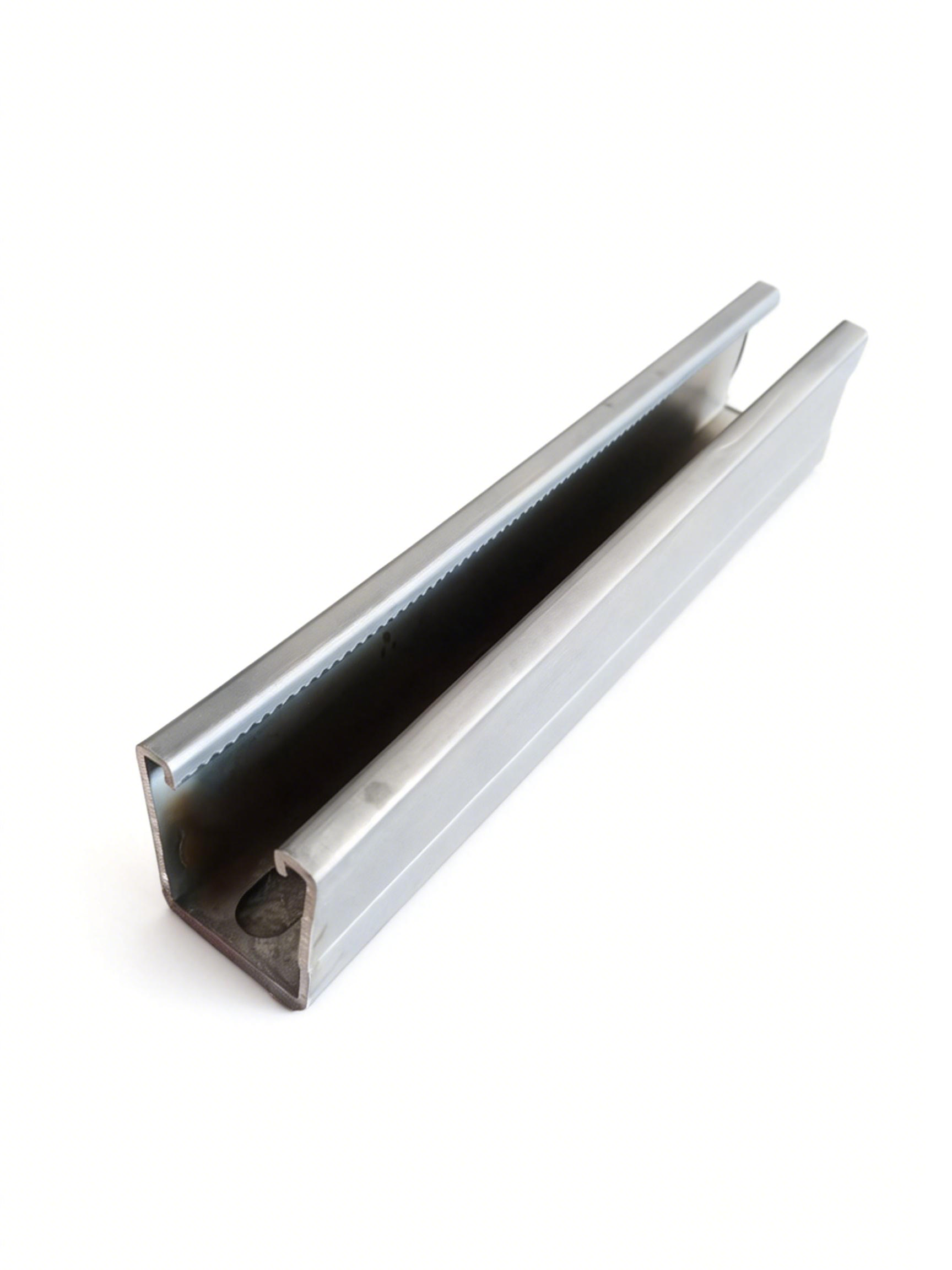
Chinese manufacturers are constantly refining their Q235B production methods to achieve greater efficiency. By implementing advanced technologies like automated control systems and real-time monitoring, they can minimize downtime and reduce material waste. This proactive approach not only boosts output but also maintains consistent quality across batches.
One standout strategy is the integration of lean manufacturing principles tailored to Q235B steel. Companies focus on streamlining workflows, optimizing energy consumption, and recycling by-products, which cuts costs and enhances environmental sustainability. This holistic view ensures that efficiency gains don't come at the expense of long-term operational resilience.
Innovations in process automation and data analytics have become game-changers for these manufacturers. By leveraging predictive maintenance and AI-driven insights, they anticipate equipment issues before they escalate, keeping production lines running smoothly. Such forward-thinking methods position Chinese firms at the forefront of global steel manufacturing, setting benchmarks for both speed and reliability.
Comparing Q235B Steel Quality Standards Among Top Suppliers in China
When evaluating Q235B steel quality standards across leading Chinese suppliers, a key point is the variation in chemical composition adherence. Some top players like Baosteel meticulously control carbon and manganese content to meet stringent GB/T 700 standards, often exceeding minimum requirements. In contrast, smaller suppliers may have looser tolerances, impacting weldability and strength. This discrepancy highlights the importance of supplier audits for buyers seeking consistent performance.
Another aspect is the mechanical testing procedures and how they affect real-world applications. Suppliers such as HBIS often implement advanced non-destructive testing methods, ensuring better yield and tensile strength consistency. Meanwhile, others rely on basic tests, which can lead to inconsistencies in batch-to-batch quality, especially in demanding construction or manufacturing projects.
Additionally, certification and traceability practices differ significantly among suppliers. Top-tier companies like Magang provide detailed mill certificates and traceability systems, enhancing transparency and reliability. On the other hand, some manufacturers offer minimal documentation, raising concerns about quality control. These factors make thorough comparison essential for selecting the right supplier based on specific project needs and risk tolerance.
Innovative Techniques in Q235B Steel Fabrication for Solar Structures
The fabrication of solar structures using Q235B steel has transformed in recent years, with new methods enhancing durability and efficiency. For instance, advanced welding techniques like laser welding and friction stir welding are being applied to joints, reducing heat-affected zones and improving corrosion resistance. This ensures longer service life in harsh environmental conditions, while also lowering maintenance costs.
Another breakthrough involves precision cutting technologies, such as CNC plasma cutting and waterjet cutting. These methods allow for highly accurate shaping of Q235B steel components, enabling the creation of complex geometries that optimize structural integrity and weight distribution. As a result, solar panels can be mounted more securely, maximizing energy capture and reducing installation time.
Additionally, non-destructive testing methods, like ultrasonic and radiographic inspection, are increasingly integrated into the fabrication process. These techniques detect defects early on, ensuring that Q235B steel structures meet stringent quality standards without compromising on safety. This proactive approach minimizes risks and supports the overall reliability of solar installations, fostering greater trust in renewable energy systems.
Key Factors Influencing Durability of Q235B Steel in Solar Installations
Selecting Q235B steel for solar installations isn't just about its tensile strength or cost-effectiveness; its longevity hinges on several critical factors that must be managed from the outset. Exposure to varying weather conditions, especially UV radiation and temperature fluctuations, can accelerate material degradation if not properly addressed. Additionally, the structural integrity depends on how well the steel resists corrosion in humid or coastal environments, where salt spray might be prevalent.
Another key aspect involves the quality of protective coatings applied during fabrication. Zinc-rich primers or galvanization layers play a pivotal role in shielding the steel from rust and oxidation over decades of service. Without these safeguards, even a robust material like Q235B may succumb to premature failure, compromising the entire solar array's stability and safety.
Installation practices also significantly impact durability; improper fastening or inadequate support can lead to stress concentrations that weaken the steel over time. Regular maintenance, including inspections for cracks or coating wear, ensures early detection of issues before they escalate into costly repairs. By integrating these considerations into design and upkeep, Q235B steel can reliably support solar energy systems for years to come.
Navigating the Market: Tips for Selecting Reliable Q235B Suppliers
When diving into the market for Q235B steel, it's easy to feel overwhelmed by the sheer number of suppliers vying for your attention. To narrow down your options, start by focusing on suppliers with a solid track record in the industry, such as those who've been operational for at least five to ten years and can provide verifiable references from previous clients. Don't just rely on glossy websites or flashy marketing materials; instead, dig deeper into their certifications, such as ISO standards or specific quality control credentials, which can signal a commitment to consistency and reliability. This initial vetting step helps filter out fly-by-night operations and ensures you're considering partners who truly understand the nuances of Q235B, including its carbon content and mechanical properties.
Another crucial aspect to weigh is the supplier's supply chain transparency and logistical capabilities. Reliable Q235B suppliers should be upfront about their sourcing processes, whether they produce the steel in-house or partner with trusted mills, and offer clear documentation like mill test certificates for each batch. Assess their shipping and handling procedures too—do they have robust systems in place to prevent damage during transit, and can they accommodate your delivery timelines flexibly? By asking detailed questions about these operational facets, you can gauge a supplier's honesty and efficiency, reducing the risk of delays or quality issues that could disrupt your projects. Remember, a transparent partner often means fewer surprises down the line.
Lastly, don't underestimate the value of direct communication and after-sales support when selecting a Q235B supplier. Engage in conversations or site visits to get a feel for their responsiveness and willingness to address your concerns, as this can indicate a long-term collaborative relationship rather than a one-off transaction. Look for suppliers that offer technical assistance, such as guidance on material applications or problem-solving for specific challenges, which can be invaluable if you're new to working with Q235B. By prioritizing these interactive elements, you're more likely to find a supplier that not only meets your material specs but also aligns with your business values, fostering trust and reliability in an often-competitive market.
FAQ
Q235B steel is a carbon structural steel grade commonly used in China. It offers good strength and ductility, making it ideal for solar mounting structures because it can withstand environmental stresses like wind and snow loads while being cost-effective.
Look for manufacturers with certifications like ISO 9001, CE, or TUV, which indicate adherence to quality standards. Also, check for experience in solar projects, positive client reviews, and the use of advanced production technologies like hot-dip galvanizing for corrosion resistance.
Consider factors such as material quality (e.g., compliance with GB/T 700 standards), customization options for solar mounts, delivery timelines, after-sales support, and overall cost-effectiveness, including potential bulk discounts.
Common challenges include ensuring consistent material quality across batches, navigating logistics and shipping complexities, dealing with language barriers, and verifying that the steel meets international corrosion protection standards for long-term durability.
Yes, many manufacturers offer custom fabrication for Q235B steel, such as cutting, drilling, or bending to fit specific solar panel dimensions and mounting systems, allowing for optimized design and easy on-site assembly.
Q235B is often preferred due to its balance of affordability, good mechanical properties, and widespread availability in China. It provides sufficient strength for most solar installations without the higher cost of premium grades like Q345.
To enhance corrosion resistance, opt for Q235B steel that is hot-dip galvanized or coated with protective paints. Regular maintenance checks and choosing manufacturers with proven anti-corrosion treatments can extend the lifespan of solar structures.
Conclusion
The exploration of top-quality Q235B solar steel manufacturers in China reveals a sector where excellence is defined not just by material properties but by innovative integration across production, standards, and applications. Understanding the key properties of Q235B steel for solar applications, such as its strength, weldability, and cost-effectiveness, sets the foundation for reliability. Leading Chinese manufacturers optimize production efficiency through advanced techniques, like automated processes and quality control, ensuring consistent output while reducing waste. Comparing Q235B steel quality standards among top suppliers highlights a competitive landscape where adherence to stringent specifications, including GB/T 700 and international norms, differentiates leaders from the rest, fostering trust in solar infrastructure projects.
Innovative techniques in Q235B steel fabrication for solar structures, such as precision cutting and corrosion-resistant coatings, enhance durability and performance in harsh environments. Key factors influencing this durability include proper material selection, environmental resistance, and maintenance practices, which manufacturers address through tailored solutions. Navigating the market with tips for selecting reliable Q235B suppliers involves evaluating track records, certifications, and customer feedback to avoid pitfalls. By blending these aspects, Chinese manufacturers offer robust, efficient steel solutions that stand out in global solar markets, driving sustainable energy adoption with quality assurance and technical expertise.
Contact Us
Contact Person: Simon
Email: [email protected]
Tel/WhatsApp: 8613672181100
Website: https://energetsolar.com/