
Experience Naxi Cultural Attractions: A Traveler’s Guide to Authentic Traditions
2026-07-26
Imagine wandering cobblestone lanes where the Naxi people’s 1,000-year-old culture still hums in every detail. At Jade Water Village, you don’t just observe—you taste the smoky tea, trace the Dongba script, and hear the echo of temple gongs at dawn. This guide strips away the usual tourist veneer to reveal the raw, living traditions that make Naxi heritage unforgettable. Ready to step past the postcard and into a truly immersive journey?
Unveiling the Naxi Way of Life Beyond Lijiang’s Old Town
Beyond the cobbled lanes and souvenir shops of Lijiang’s Old Town lies a deeper Naxi world, one that pulses with the rhythms of an ancient culture. Here, donning a sheepskin cape and carrying a basket on her back isn't a tourist attraction but a grandmother’s daily ritual. In the surrounding villages, the Dongba script— the world’s last living pictographic writing— still dances on paper under the steady hand of a shaman, recording creation myths and herbal remedies. The air carries the scent of grilled yak meat and the sound of an old man humming a Baisha melody, a tune that mingles with the wind sweeping through the Jade Dragon Snow Mountain foothills.
To truly grasp the Naxi way of life, you have to step onto the family courtyard where generations live under one roof. The central room isn't just a living space; it’s the heart where ancestors are honored, babies are named, and stubborn rock tea is poured for any guest who crosses the threshold. Gardening isn't a hobby but a quiet collaboration with the land — know the soil, respect the water, and the land will feed you. Women, strong and unassuming, often steer the household, a matriarchal undercurrent that predates any modern notion of equality. A meal here isn't complete without baba bread and a bowl of cured pork, shared slowly while stories of the past unravel like a handmade scroll.
As dusk settles and the tourists retreat, a different rhythm emerges. Young Naxi people gather not in bars but in community squares, practicing the ancient “Leba” dance, its steps a living conversation with their history. In quiet corners, a master woodcarver transforms a piece of walnut into a guardian figure, while next door, an apprentice learns the painstaking art of Naxi traditional embroidery. This is a culture that isn't frozen in time but breathing, adapting, passing wisdom through the hands rather than through guidebooks. Beyond the postcard views, the Naxi way of life is an ongoing, quiet revelation— one that rewards those who linger long enough to listen.
Where Ancient Rhythms Meet Modern Travelers: Dongba Music Encounters
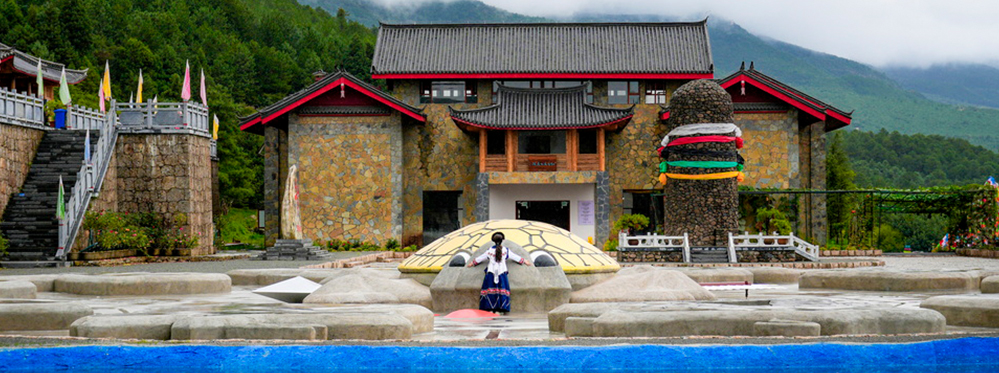
The first time you hear Dongba music, it’s like stumbling into a conversation between centuries. The deep, resonant chants and the percussive clatter of bronze drums don’t just fill the air—they seem to rearrange it, pulling you into a ritual space that’s both ancient and immediate. Amid the stone-paved lanes of Lijiang’s Old Town, tourists clutching cameras and coffee cups pause, their hurried itineraries dissolving into the rhythm. A Naxi elder’s weathered fingers trace symbols from the world’s last living pictographic script, and for a moment, the modern world steps back, yielding to something far older and entirely unbothered by time.
But this isn’t a museum piece locked behind glass. Dongba music thrives on encounter: the spontaneous jam session with a traveler’s guitar, the curious backpacker invited to tap a wooden clapper, the stunned silence of a crowd when the chant suddenly shifts to a melody that feels unexpectedly familiar. These intersections don’t dilute the tradition; they electrify it. When a young visitor from Berlin starts swaying to a rhythm she can’t name, or an Australian painter fills a sketchbook with the ornate movements of a ritual dance, the music isn’t just being performed—it’s being shared, reshaped by every listener present. The ancient rhythms don’t clash with the modern travelers; they absorb them, turning the encounter into a living dialogue rather than a passive spectacle.
What stands out after you leave is the quiet refusal of Dongba music to be simply “preserved.” It doesn’t treat its age as fragility, nor does it seek to impress with exoticism. Instead, it opens a door to a way of listening that’s increasingly rare—a space where sound is rooted in landscape, memory, and community. In a world obsessed with the next thing, stumbling upon these melodies feels like finding a secret frequency, one that reminds you that some conversations never end—they just wait for a new set of ears to continue them.
A Taste of Naxi Heritage: Markets, Meals, and Mingling with Locals
Wandering through the early morning market in Lijiang feels like stepping straight into a living Naxi painting. The narrow lanes pulse with the chatter of elders bartering over bundles of wild herbs, their traditional blue aprons bright against mounds of crimson chili and golden yak cheese. Every stall breathes stories deeper than any museum caption—a grandmother’s weathered hands arranging sun-dried mushrooms, a young couple stirring a bubbling pot of baba bread, the dough crackling over charcoal. The air hums with a blend of incense, fresh mint, and the tang of fermented soy paste, pulling you deeper into a rhythm that hasn’t wavered for centuries.
Food here isn’t just sustenance; it’s heritage served on a clay plate. I still remember the first bite of Naxi roast pork—skin shatteringly crisp, meat melting into a smoky sweetness that lingered long after the meal. That evening, a local family invited me to their courtyard, where we sat on low wooden stools and shared a hotpot of yak meat and foraged greens. The matriarch kept ladling bone broth into my bowl, laughing at my clumsy chopstick skills. In that glow of firelight, flavors became a language of their own, and every dish whispered of mountain mists, ancient trade routes, and a patience modern kitchens rarely know.
But the true soul of Naxi heritage reveals itself in the quiet moments with its people. Down a cobblestone alley, an old man invited me to sip pu’er tea while teaching me a few words of Dongba—the only living pictographic script in the world. His laughter crinkled like rice paper as I mispronounced “hello” three times. Later, a group of women showed me how they embroider the seven-star patterns on their capes, their needles flashing like memories. These encounters aren’t staged performances; they’re offered with a warmth that blurts out “stay a little longer” without saying it. That’s when you realize you came for the markets and meals, but you’ll return for the mingling—the human heartbeat beneath every stone in this ancient town.
Walking Through the Murals: Stories Etched in Baisha’s Ancient Walls
Stepping into Baisha feels like entering a living canvas where time holds its breath. The narrow lanes, worn smooth by centuries of footsteps, guide you toward walls that whisper rather than shout. Here, pigments made from crushed minerals and plant dyes cling to plaster, recounting sagas of traders, monks, and mythical beings. Light shifts through latticed windows, animating the faded blues of an arhat’s robe or the vermilion sash of a celestial guardian. Every crack and flake of these murals tells not just a story of artistry, but of endurance—surviving earthquakes, monsoons, and the slow erosion of memory.
Look closer and the details begin to bloom. A procession of mounted nobles winds across one panel, their horses’ caparisons studded with gold leaf that still catches the afternoon sun. Nearby, the Bodhisattva Guanyin extends a thousand arms, each palm cupping an act of compassion—a detail so delicate you feel the artist’s reverence in every brushstroke. Unlike the grandiose frescoes of European cathedrals, these scenes hum with intimacy: a farmer bending to sow seeds, a grandmother lighting an oil lamp, a child tugging at her sleeve. The Daoist immortals mingle with Buddhist deities, sometimes sharing space with local Naxi spirits, blurring the line between doctrine and daily life.
What lingers after you leave is not just the visual feast but the quiet insistence of these walls. They remind us that history isn’t locked away in museums—it breathes in plain sight, etched by hands that saw no divide between the sacred and the ordinary. The murals of Baisha don’t simply decorate; they hold the community’s memory like a bowl of water, reflecting both what was lost and what continues to live in the rituals, songs, and smiles of the town’s descendants. To walk among them is to realize that some stories are best told not in books, but in pigment and patience, waiting for a willing eye to bring them back to light.
Beyond the Tourist Trail: Naxi Villages That Still Echo with Tradition
Walking into Yuhu village feels less like sightseeing and more like stepping into a living canvas from a century ago. Stone houses with tiled roofs cluster beneath Jade Dragon Snow Mountain, their courtyards stacked with drying corn and chili peppers. In the early morning light, an elderly woman sweeps the doorstep with a broom made of twigs, while a Naxi elder passes by, murmuring a greeting in the local tongue that carries the weight of generations. There's no staged performance here—just the quiet rhythm of a community still bound by the codes of Dongba culture, where every carved doorframe and handwoven basket hints at a heritage too stubborn to fade.
The real pulse of these villages lies in the details you'd miss without slowing down. In Wenhai, at 3,000 meters above sea level, farmers still rotate crops using the lunar calendar, just as their ancestors did. You might catch a family making yak butter tea over an open fire, the smoky richness filling the room with a scent no modern cafe could replicate. The younger generation hasn't abandoned these hills entirely—some return from cities to revive ancient murals and teach Dongba script in community halls, blending old wisdom with a new sense of pride. It's a quiet rebellion against uniformity, where tradition isn't preserved behind glass but woven into daily chores and evening chats.
What stays with you isn't just the scenery, but the warmth of being briefly included. On a narrow Lijiang alley far from the souvenir shops, a craftsman might pause his woodcarving to explain the meaning of a butterfly symbol—a Naxi emblem for longevity—while his granddaughter plays nearby. You realize these places resist the label of "hidden gem" because they're not hiding at all; they're simply living, inviting anyone patient enough to listen. The echoes of tradition here aren't loud, but they're deep, leaving a sense that you've glimpsed something genuine and enduring.
Hands-On Heritage: Learning Dongba Script from a Village Elder
Sitting on a worn wooden bench in a smoke-tinged Naxi courtyard, you’ll find no textbooks or digital screens—just a slab of handmade paper, a bamboo brush, and the quiet patience of an elder whose family has passed down the Dongba script for generations. His hands, weathered from years of farming and calligraphy, guide yours as you grind ink on a stone, the earthy scent mingling with the faint aroma of pine incense. This is not a classroom exercise; it’s an intimate transmission of heritage, where each pictograph—a bird, a mountain, a flowing river—carries stories that predate written history. The elder speaks in a soft, rhythmic tone, explaining how the character for “love” intertwines the symbols of man and woman, and how the script itself is a sacred language used only in rituals, never for mundane record-keeping. You’ll feel the weight of cultural continuity as you attempt your first stroke, the brush trembling slightly in your grasp.
As the afternoon light filters through the latticed windows, the lesson deepens. The elder points to a complex glyph on a faded manuscript, his finger tracing the contours of a character that means “soul.” He recounts how the Dongba priests, the keepers of this script, used these symbols to chant prayers and guide spirits, their voices echoing in the same hills that surround you now. You’ll practice writing one symbol after another—your efforts clumsy at first, then gradually gaining a raw, deliberate rhythm. There’s no rush here; the elder corrects your posture, adjusts your grip, and laughs softly at your mistakes, revealing a warmth that transforms the session into a shared moment between cultures. By the end, you’ll have not just a piece of paper inscribed with ancient wisdom, but a tangible connection to a living tradition, one that resists the rush of modernity through the steady hand of a village elder.
FAQ
The Yuhu Village is a quieter spot where Joseph Rock once lived, and you can still visit his former residence. Baisha Old Town is another gem with well-preserved murals blending Han, Tibetan, and Naxi styles. Don't miss the Shuhe Ancient Town for a less crowded taste of Naxi architecture and crafts.
Head to a small, family-run teahouse in Dayan Old Town where local musicians gather in the evening to play ancient tunes like Baisha Xiyue on traditional instruments. Sometimes villagers invite visitors to join, and it's far more intimate than the large staged shows.
The Sanduo Festival in February is a lively tribute to the Naxi’s guardian god, with processions and folk performances. If you're around in June, the Torch Festival features bonfires and singing that spills into the streets, and you'll likely be pulled in to dance.
Visit the Dongba Cultural Museum in Yushui Village, but better yet, arrange a hands-on workshop with a Dongba priest in Baidi village. They’ll show you how they make paper from bark and write pictographic characters—a script still used in rituals.
Yes, several Naxi families offer cooking experiences where you can prepare dishes like baba (flatbread) and Lijiang stew with yak meat. The best part is sharing the meal in their courtyard, hearing stories about daily life and farming traditions.
Look for a guesthouse in a traditional courtyard home in Shuhe, ideally one run by a Naxi family. You’ll wake up to the sound of water flowing in canals and might be invited to join morning prayers or tea rituals, far from the tourist crowds.
Conclusion
Discovering the Naxi culture requires stepping beyond the cobblestone lanes of Lijiang's Old Town. Venture out and you'll find a living heritage that hums in the daily rhythms of villages, markets, and family kitchens. In places like Shuhe or quieter hamlets, the Naxi way of life endures in the scent of sizzling baba bread, the clack of looms weaving traditional fabrics, and the melodic chatter of elders swapping stories. Sharing a meal in a courtyard restaurant—perhaps a spoonful of cured pork rib hotpot or a slice of local yak cheese—offers a direct line to the region’s soul. Wander through a morning market where foraged mushrooms, medicinal herbs, and glossy blocks of red bean paste sit alongside hand-carved Dongba artifacts, and you’re no longer an observer but a participant in a centuries-old daily ritual.
Deeper immersion comes from listening to the haunting strains of Dongba music, where ancient gongs and bamboo flutes echo rituals once performed by sage priests. In Baisha, faded murals stretch across temple walls, depicting stories of gods, merchants, and cross-cultural exchanges that shaped the Naxi worldview. A short drive outside the main hubs, villages like Yuhu still resonate with the clop of horses and the scratch of farming tools, seemingly untouched by the rush of modern tourism. Perhaps the most intimate encounter is sitting beside a village elder, tracing the pictographic strokes of the Dongba script—the world’s last living hieroglyphic language. With each character you draw, you’re not just learning a symbol you’re touching a memory, a philosophy, and a bond that links the Naxi people to nature and their ancestors.
Contact Us
Contact Person: Changhong He
Email: [email protected]
Tel/WhatsApp: 086-0888-5190152
Website: https://vip.e-baixing.com/ysh