

Enhancing Safety with China Surge Protective Devices: A Manufacturer's Guide
2025-12-30
In today's electrical landscape, ensuring the safety and reliability of your systems is more critical than ever. Lightning strikes, power surges, and transient voltages pose significant risks to sensitive equipment, leading to costly downtime and potential hazards. That's where surge protective devices (SPDs) come into play, and China has emerged as a key player in this essential technology. As a manufacturer, understanding how to enhance safety with these devices can make all the difference. At SINGI, we're passionate about guiding you through the intricacies of SPDs, from selection to installation. Dive in with us as we explore practical strategies and insider tips to protect your assets effectively. Let's build a safer future together—one surge at a time.
Understanding China's Surge Protective Device Standards
China's surge protective device (SPD) standards have rapidly evolved in recent years, driven by the country's increasing focus on electrical safety and modernization of infrastructure. Key standards like GB/T 18802.1 and GB 50057 incorporate both international best practices, such as IEC guidelines, and local adaptations to address China's unique environmental and grid conditions. For instance, regions with frequent thunderstorms or industrial zones with heavy machinery may require stricter testing protocols, often reflected in these national standards. This blend ensures that SPDs not only protect against transient overvoltages but also withstand the specific challenges posed by China's diverse climate and rapid urbanization.
One notable aspect of China's SPD standards is their emphasis on comprehensive certification and compliance, overseen by bodies like the China Quality Certification Centre (CQC). Manufacturers must navigate a rigorous approval process that includes performance testing, marking requirements, and periodic audits to ensure ongoing adherence. This system helps build consumer trust and promotes high-quality products in the market. By aligning with global trends while tailoring to domestic needs, China's standards contribute to safer electrical systems in residential, commercial, and industrial settings across the country.
In practice, understanding these standards is essential for engineers and installers working on projects in China, as non-compliance can lead to safety risks or regulatory penalties. The standards cover aspects like voltage protection levels, response times, and durability under extreme conditions, providing a clear framework for selecting and installing SPDs. As China continues to invest in smart grids and renewable energy, these standards are likely to evolve further, emphasizing innovation in surge protection. Staying updated with the latest revisions can offer a competitive edge and ensure reliable protection against power surges in this dynamic market.
Key Features of High-Quality Surge Protective Devices
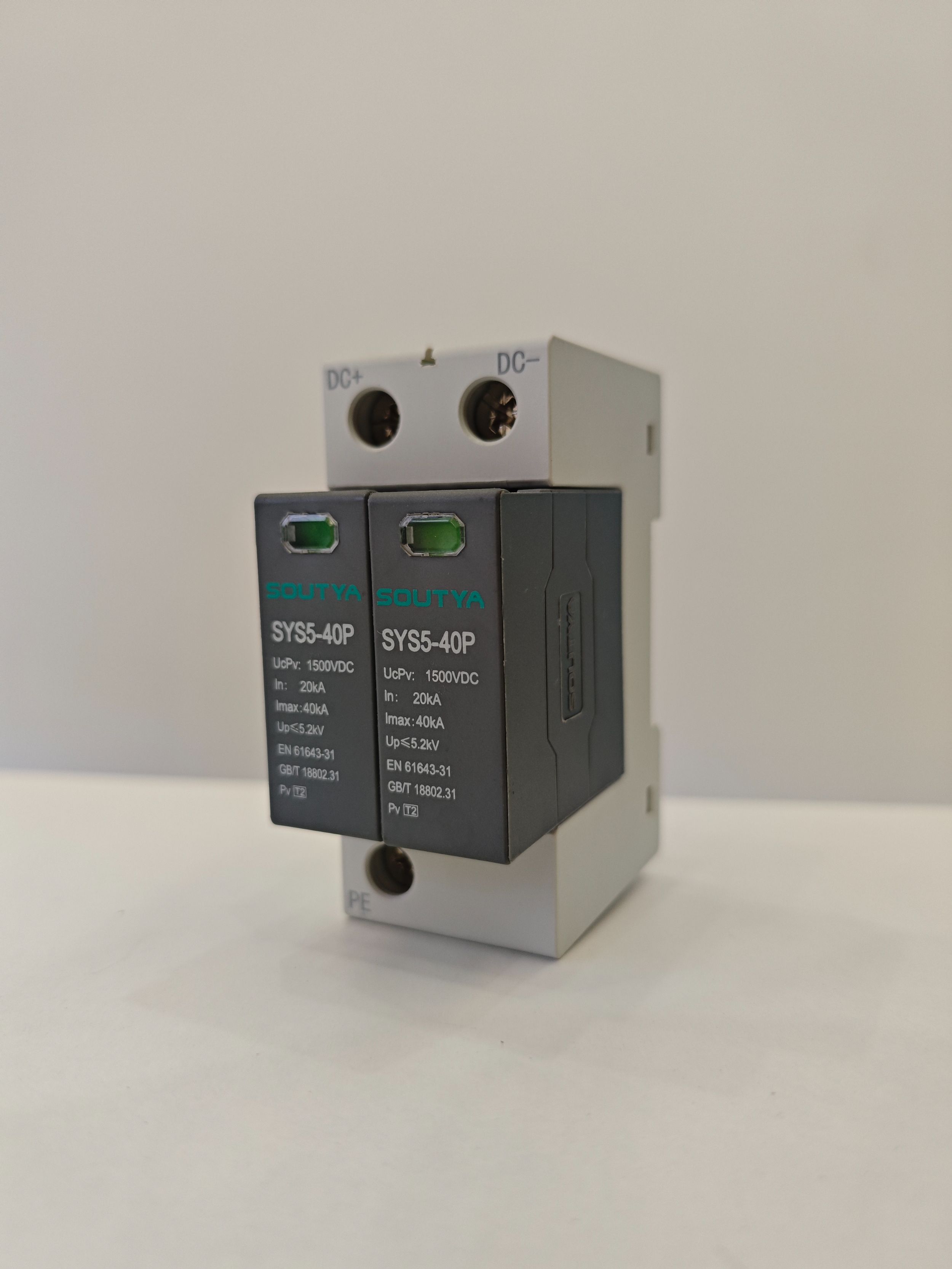
Premium surge protectors distinguish themselves from standard models through superior construction and advanced technology. These devices are engineered with robust materials like ceramic varistors and gas discharge tubes, which effectively absorb and redirect voltage spikes before they reach sensitive electronics. Many high-end options also incorporate thermal fuses that automatically disconnect in case of overheating, preventing potential fire hazards and ensuring long-term reliability even under extreme conditions.
Functionality extends beyond basic protection with features such as real-time status indicators, which provide immediate feedback on operational health through LED displays or audible alerts. Some models include USB charging ports with built-in surge suppression, allowing safe power delivery to mobile devices without compromising protection. Additionally, selective models offer remote monitoring capabilities via smartphone apps, enabling users to track energy consumption and receive instant notifications about any electrical anomalies from anywhere.
What truly sets exceptional surge protective devices apart is their focus on customization and adaptability. They often come with adjustable clamping voltages, allowing fine-tuning to match specific equipment needs, and modular designs that permit easy expansion or component replacement. This flexibility ensures optimal performance in diverse environments, from home offices with delicate audio-visual setups to industrial settings with heavy machinery, making them a versatile safeguard against unpredictable power surges.
Installation Best Practices for Surge Protection
Installing surge protectors isn't just about plugging them in and calling it a day; it's a strategic process that can save you from costly downtime and equipment failures. Start by identifying the most critical points in your electrical system, such as service entrances, distribution panels, and sensitive equipment connections. Always opt for high-quality devices with adequate ratings for the specific load and environment, and ensure they're properly grounded to divert surges safely away from your circuits. By planning the installation around your unique setup, you can maximize protection and minimize risks.
A common oversight is ignoring the placement and accessibility of surge protectors. Position them in areas where they're easy to inspect and maintain, away from moisture, heat sources, or physical damage. Use dedicated circuits for heavy loads to avoid overloading, and consider coordination between multiple protectors to create a layered defense system. This approach not only enhances reliability but also allows for quicker troubleshooting if issues arise, keeping your operations smooth and uninterrupted.
Beyond the initial setup, regular maintenance and testing are key to sustaining effective surge protection. Schedule periodic checks to verify that devices are functioning correctly, and replace aging units before they fail—many surge protectors have indicator lights or audible alarms for this purpose. Document your installation details and any incidents to refine your strategy over time, adapting to changes in your electrical infrastructure or technology upgrades. Adhering to these best practices ensures long-term resilience against unpredictable power surges.
Maintenance and Testing of Surge Protective Devices
Proper maintenance and testing of surge protective devices (SPDs) are critical to ensure they continue to safeguard electrical and electronic systems from voltage spikes. Without regular checks, these devices can degrade over time due to environmental factors, such as humidity and temperature fluctuations, or simply from absorbing repeated surges. A neglected SPD might fail silently, leaving equipment vulnerable to the next power disturbance. To prevent this, it's advisable to implement a scheduled inspection routine, typically recommended by manufacturers or based on industry standards like IEEE or IEC guidelines. This includes visual inspections for physical damage, checking connections for tightness, and monitoring indicator lights or alarms that signal operational status.
Testing surge protective devices goes beyond mere visual checks; it involves functional assessments to confirm they respond correctly to simulated surge events. Common testing methods include using specialized equipment to measure parameters like clamping voltage, response time, and energy absorption capacity. For instance, a high-current surge test can verify that the SPD activates at the specified threshold, diverting excess energy away from sensitive circuits. It's important to note that testing should be performed by qualified personnel, as mishandling can pose safety risks or damage the device. Some advanced SPDs come with built-in self-testing features, which automate diagnostics and provide alerts when maintenance is needed, streamlining the process and reducing downtime.
In practice, a robust maintenance and testing strategy should be tailored to the specific environment where the SPDs are installed. For example, in industrial settings with frequent electrical noise or harsh conditions, more frequent inspections might be necessary compared to a stable office environment. Documentation plays a key role here: keeping detailed records of test results, maintenance dates, and any replacements helps track performance trends and plan proactive upgrades. Ultimately, investing time in regular upkeep not only extends the lifespan of surge protective devices but also enhances overall system reliability, preventing costly downtime and equipment failures from unexpected power surges.
Industry Applications and Use Cases
Across various sectors, our technology is not just an add-on but a core driver of innovation. In healthcare, it powers diagnostic tools that analyze medical images with unprecedented accuracy, aiding in early disease detection without the need for extensive manual review. Financial institutions leverage these solutions to detect fraudulent transactions in real-time, safeguarding customer assets while streamlining operations. By integrating seamlessly into existing workflows, it enables businesses to boost efficiency and reduce costs, making it a go-to choice for organizations aiming to stay ahead in competitive markets.
Beyond traditional areas, the applications extend into creative industries like design and entertainment, where it assists in generating realistic visual content or optimizing production pipelines. In logistics, it optimizes supply chain routes by analyzing vast datasets on traffic and weather, ensuring timely deliveries and minimizing disruptions. These diverse use cases highlight the versatility of the approach, demonstrating how it can be tailored to solve unique challenges across fields, from improving sustainability in agriculture to enhancing user experiences in retail environments.
Looking at real-world impact, companies have reported significant benefits, such as increased productivity and enhanced decision-making capabilities. For instance, in manufacturing, predictive maintenance powered by this technology reduces downtime by anticipating equipment failures before they occur. In education, personalized learning platforms adapt to individual student needs, fostering better engagement and outcomes. These examples underscore the practical value, showing how it not only addresses current inefficiencies but also opens up new possibilities for growth and innovation in an ever-evolving landscape.
Choosing the Right Manufacturer for Your Needs
When you're ready to bring your product idea to life, finding the perfect manufacturing partner is crucial—it's not just about picking a supplier, but building a relationship that aligns with your vision and operational needs. Start by assessing your specific requirements: Do you need high-volume production or small, bespoke batches? Will the manufacturer handle everything from prototyping to packaging, or do you require a specialist in a certain material or process? For example, a tech startup might prioritize a factory with experience in electronics and quick turnaround times, while an artisan brand might seek a facility skilled in sustainable materials and custom finishes. Taking the time to map out these details upfront can prevent costly mismatches down the line, ensuring your product quality and timeline meet expectations from day one.
Beyond technical capabilities, consider the intangibles that often define a successful partnership, like communication style, cultural fit, and ethical standards. A manufacturer might tick all the boxes on paper, but if they're slow to respond to queries or lack transparency about their supply chain, it could lead to frustrations and delays. Look for partners who are proactive in providing updates and open to collaboration—perhaps they offer regular video calls, detailed progress reports, or even site visits to build trust. Additionally, evaluate their track record with businesses similar to yours; testimonials and case studies can reveal how they handle challenges, adapt to changes, and support clients through growth phases. This human-centered approach helps forge a resilient alliance that thrives on mutual respect and shared goals.
Lastly, don't overlook the financial and logistical aspects, as they can make or break your project's viability. Compare quotes carefully, but remember that the cheapest option isn't always the best—factor in hidden costs like shipping, tariffs, or quality-control measures. Inquire about their capacity for scaling up if your demand increases, and ensure they have robust contingency plans for disruptions like material shortages or geopolitical issues. By balancing cost-effectiveness with reliability and flexibility, you'll secure a manufacturer that not only meets your immediate needs but also grows alongside your brand, turning potential hurdles into opportunities for innovation and long-term success.
FAQ
China surge protective devices are specialized electrical components designed to safeguard equipment from voltage spikes and transients, crucial for preventing damage and ensuring safety in industrial and residential settings.
Manufacturers in China implement strict testing protocols, adhere to international standards like IEC 61643, and use advanced materials to produce reliable and high-performance SPDs.
When choosing a Chinese SPD, consider factors such as protection levels, compatibility with existing systems, certification, and the manufacturer's reputation for durability and support.
Chinese SPDs can be easily integrated by following manufacturer guidelines, ensuring proper installation at critical points like main panels, and consulting with experts for customized solutions.
Innovations in Chinese SPDs include smart monitoring features, enhanced energy dissipation capabilities, and eco-friendly designs that improve efficiency and adaptability.
Common applications span from protecting telecommunications networks and data centers to securing medical equipment and renewable energy installations, highlighting their versatility.
Chinese SPDs often offer competitive pricing without compromising on performance, leveraging large-scale production and technological advancements to provide value.
For optimal performance, regular inspections, testing for functionality, and using monitoring tools to track surge events are recommended practices for maintaining Chinese SPDs.
Conclusion
China's sophisticated regulatory framework for Surge Protective Devices (SPDs) establishes rigorous compliance benchmarks essential for manufacturers aiming to enhance electrical safety. Beyond adhering to mandatory national standards, understanding these specifications ensures devices meet both performance and reliability criteria critical in high-risk environments. High-quality SPDs distinguish themselves through superior features like rapid response times, robust energy-handling capacities, and durable construction, which collectively mitigate transient voltage threats effectively. Integrating these advanced components into installation best practices, such as proper grounding and strategic placement, optimizes protection across diverse electrical systems.
Maintenance and regular testing protocols are indispensable for sustaining SPD efficacy, preventing degradation that could compromise safety over time. These devices find versatile applications in industries ranging from telecommunications to manufacturing, where they safeguard sensitive equipment from surge-induced damage. Selecting the right manufacturer involves evaluating technical expertise, production capabilities, and adherence to evolving standards, ensuring a partnership that prioritizes safety and innovation. This comprehensive approach empowers stakeholders to leverage China's SPD advancements, fostering resilient infrastructure and minimizing operational risks proactively.
Contact Us
Contact Person: Jack
Email: [email protected]
Tel/WhatsApp: (+86) 13757759651
Website: https://www.singi.com