
Custom Window Tape OEM: The Ultimate Solution for Seamless Sealing and Insulation
2026-07-13
When it comes to achieving a flawless seal in construction projects, standard off-the-shelf tapes often fall short. That’s where custom window tape OEM solutions step in—tailored to meet precise specifications for superior insulation and durability. Backed by Jinbo’s manufacturing expertise, these tapes are engineered to eliminate air leaks and moisture intrusion, ensuring energy efficiency in every build. Discover how custom sizing and advanced adhesives can transform your sealing strategy.
Precision Engineering for Every Window Profile
The exacting process behind each window profile begins long before the first cut. Raw materials are selected not just for durability, but for their ability to hold micro-tolerances through decades of thermal cycling and weather exposure. Our engineering team maps every contour with laser-guided measurement systems, ensuring that the final profile matches the digital blueprint to within fractions of a millimeter. This obsessive attention to the smallest details means a sash glides without resistance, a seal engages without gaps, and the entire assembly performs as one cohesive unit year after year.
Rather than forcing builders to adapt to limited stock sizes, we treat each profile as a bespoke component. Whether you're working with a slim sightline for a minimalist renovation or a deep thermally broken frame for a passive house, the tooling is recalibrated specifically for that run. This eliminates the subtle distortions that accumulate when a single die set is stretched beyond its intended range. The result is reliable repeatability: the hundredth window off the line fits with the same precision as the first, regardless of the profile's complexity or scale.
Quality control doesn't rely on spot checks at the end of the line. Every profile passes through a real-time optical inspection station that compares it against the CAD model at multiple critical cross-sections. If there's a deviation—even one invisible to the naked eye—the system flags it immediately, pausing production until the root cause is resolved. This closed-loop approach turns manufacturing variances into learning opportunities, constantly tightening the process. For architects and installers, that means less time compensating for inconsistencies and more time delivering a flawless installation.
Beyond Standard Seals: How Custom Tape Transforms Insulation
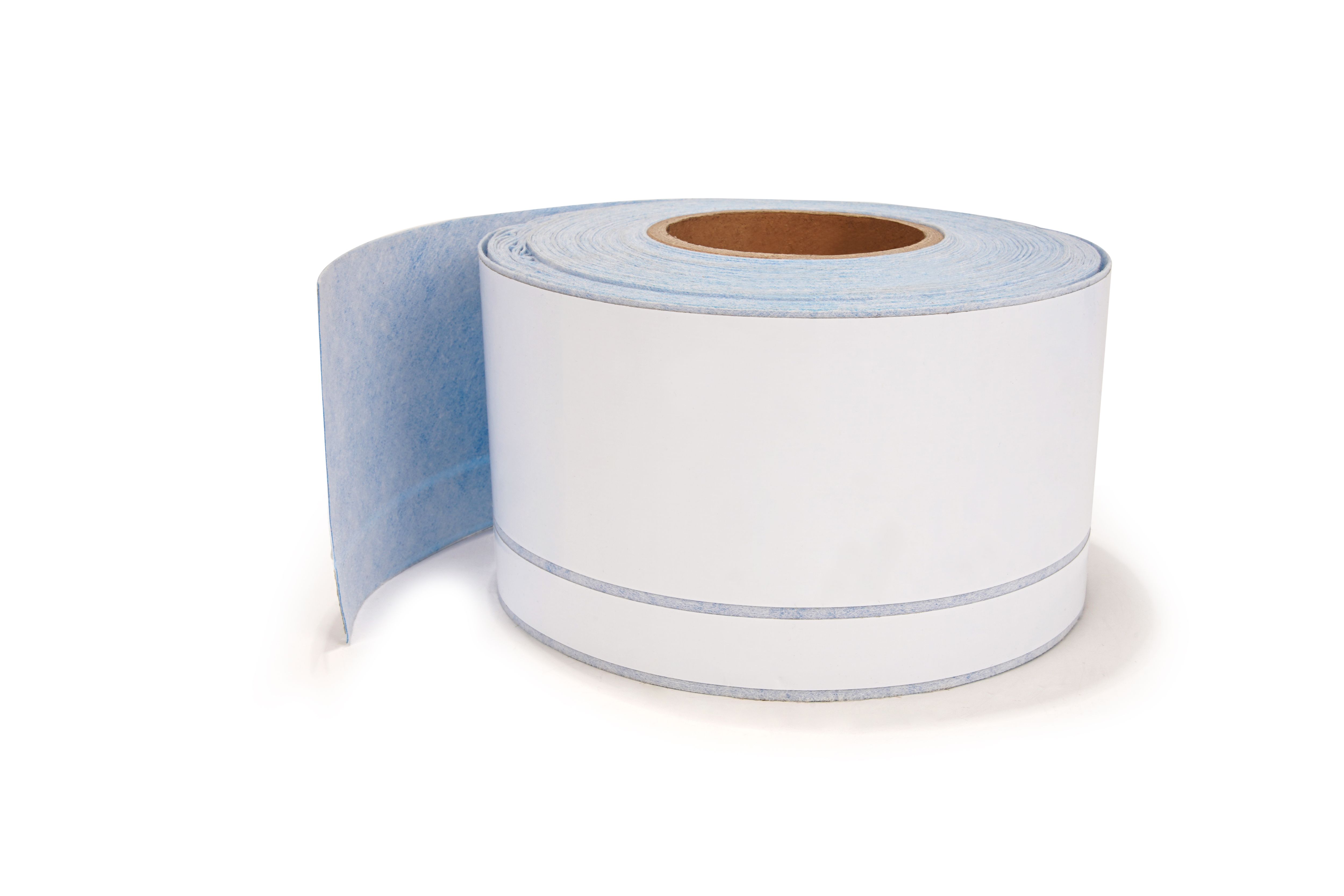
Standard sealing methods—foam strips, generic adhesive tapes, or bulky gaskets—often fall short when faced with irregular surfaces, thermal movement, or harsh environments. Custom insulation tapes break through those limits by matching the exact contours, adhesive properties, and material composition needed for a project. Rather than forcing an off-the-shelf fix, engineers can specify tapes with elastomeric or silicone bonding layers that conform to curves and corners, sustaining their seal even under vibration or extreme temperature swings. The result is a durable, uniform barrier that prevents energy leaks and stops moisture ingress where generic products would peel or degrade.
The transformative power of custom tape goes beyond mechanical fit. Through careful material selection, a tape can become an integral layer of the insulation system—adding fire resistance, acoustic damping, or dielectric strength without extra bulk. For example, a laminated foil tape with a pressure-sensitive acrylic adhesive not only seals ductwork but also reflects radiant heat, improving overall thermal efficiency. In electronic enclosures, a custom die-cut tape can replace multiple components like gaskets and fasteners, compressing assembly steps and reducing points of failure. This integration lets design teams simplify structures while enhancing performance, all through a precisely engineered strip of tape.
On the production floor and in the field, custom insulation tape accelerates workflows and lowers error rates. When a tape is pre-configured to the dimensions and release liners of a specific application, installation becomes nearly foolproof—workers peel and place without measuring or trimming. In automated processes, custom tapes can be supplied in exact slit widths and spool sizes for robotic applicators, boosting throughput and consistency. Even repair and maintenance benefit: a custom tape tailored to a known equipment profile can be stocked as a ready-to-use solution, slashing downtime and eliminating makeshift fixes that compromise insulation integrity. By reshaping insulation into a precision tool, custom tape turns a mundane sealing task into a strategic advantage.
The Invisible Edge: Seamless Application, Superior Performance
When technology fades into the background, its true power emerges. The mark of exceptional design isn’t a flashy interface or a long list of features—it’s the quiet confidence of a tool that works exactly as you expect, without demanding your attention. This invisible edge is forged through meticulous engineering that prioritizes fluid interactions over friction, allowing you to stay immersed in your work rather than wrestling with the software.
Beneath this effortless surface lies a relentless pursuit of performance. Every micro-interaction is optimized, every transition refined to feel instantaneous. The result is an experience that feels less like operating a machine and more like extending your own capabilities. It’s the difference between a tool you tolerate and one you instinctively reach for, because it simply makes everything smoother, faster, and more intuitive.
This seamless integration doesn’t happen by accident. It requires a deep empathy for how people actually move through their tasks, anticipating needs before they arise. When the barrier between intention and action dissolves, the user is left with a sense of mastery and flow—a superior performance that never announces itself, but is unmistakably felt.
From Drafts to Durability: A Tailored Approach
Every project begins with a rough sketch—a draft that carries the seed of an idea but isn't yet ready for the real world. The transformation from that fragile state into something resilient isn't automatic; it demands a process that respects the uniqueness of each creation. Instead of forcing every draft through the same rigid mould, we listen to what the work is trying to become. This tailored approach means that a hastily scribbled concept on a napkin gets different care than a detailed schematic, because durability isn't just about strength—it's about the right kind of strength, built to withstand the specific pressures it will encounter.
The journey from draft to durability involves a deliberate blend of experimentation and refinement. We stress-test assumptions, uncover hidden flaws, and reinforce the core while staying flexible enough to adapt as the vision evolves. It's a bit like crafting a bespoke suit: the measurements are precise, the fabric chosen for its purpose, and the stitching done to last, but the final piece never loses the wearer's personality. By treating each draft as a living blueprint rather than a static set of instructions, we ensure that what emerges isn't just a hardened version of the original thought, but a mature, confident realization that can handle whatever comes next.
What sets this apart is the conviction that no two journeys are alike. A rushed prototype for a high-stakes pitch needs swift armour, while a long-gestating passion project might need layers of protective nuance. Our methods adapt accordingly, drawing from a deep toolkit that includes iterative prototyping, material-savvy choices, and empathetic collaboration. The result is never a generic fortress but a thoughtfully fortified creation—one that carries its maker's fingerprint and stands up to time without losing its soul.
Why Generic Tapes Fall Short and Custom Wins
Generic packaging tapes might seem like a quick fix, but they often fail when it matters most. Their one-size-fits-all design ignores the unique demands of your product—whether it’s the weight of the box, the surface texture, or the stress of transit. A tape that’s too weak leads to popped seals and damaged goods, while an overly aggressive adhesive can tear your branding or leave gummy residue that annoys customers. The result isn’t just a failed package; it’s a subtle erosion of trust, one unboxing at a time.
Custom tape flips the script by aligning precisely with your operational reality. Instead of gambling on stock options, you get an adhesive engineered for your specific substrates, temperature exposure, and handling conditions. This means fewer returns, less waste, and a packaging line that actually runs smoothly. Beyond function, it becomes a silent brand ambassador—your logo, colors, or message right on the seal, turning a mundane necessity into a memorable touchpoint. It’s the difference between just closing a box and reinforcing your identity at the first moment of delivery.
The hidden cost of generic tape shows up in places you might not expect. Time lost to re-taping, inventory headaches from ordering multiple ill-fitting variants, and the quiet hit to your reputation when packages arrive looking shoddy—these add up fast. A tailored solution strips away that friction elegantly. You’re not just buying a roll of adhesive; you’re investing in consistency, efficiency, and a detail that customers actually notice. In a world where every interaction counts, the tape that performs perfectly and looks the part is a small edge that delivers big returns.
Built to Last: Materials That Withstand the Elements
When it comes to outdoor structures and furnishings, the true test of quality lies in their ability to endure harsh weather without losing their appeal. Teak wood, for example, has been cherished for centuries not only for its golden hue but for its naturally high oil content that repels water and resists rot. Even when left untreated, it gracefully weathers to a silvery patina, maintaining structural integrity through seasons of rain, sun, and snow. This innate durability makes teak a top choice for coastal decks and garden benches, where salt spray and moisture are constant challenges.
Metals like marine-grade stainless steel and powder-coated aluminum also shine in demanding environments. Stainless steel's chromium content forms a passive layer that fends off rust, making it ideal for fasteners and railings near saltwater. Aluminum, lightweight yet strong, gets an extra shield through powder coating—a dry finishing process that creates a thick, uniform barrier against scratches, UV rays, and corrosion. Unlike traditional paint, this coating doesn't peel or crack easily, ensuring that lamp posts and patio frames look fresh years after installation.
For those seeking modern, low-maintenance solutions, high-density polyethylene (HDPE) lumber offers a compelling alternative. Crafted from recycled plastics, it mimics the look of painted wood but won't splinter, fade, or succumb to insects. Rain and humidity simply bead off its surface, and it never needs staining or sealing. This material thrives in settings from playgrounds to waterfront boardwalks, proving that resilience and sustainability can go hand in hand without sacrificing design flexibility.
FAQ
Custom window tape is engineered to match the exact dimensions, materials, and performance specs of your project, eliminating gaps and weak points that generic tapes often leave behind. It can be formulated for specific temperature ranges, UV exposure, or chemical resistance, giving you a seamless seal that truly lasts.
By providing a continuous, perfectly fitted barrier, OEM tape prevents thermal bridging and air infiltration that undermine insulation. Tailored adhesives maintain flexibility and bond strength over decades, even as building materials expand and contract, so your energy savings stay consistent year after year.
Through rigorous custom formulation and batch testing. OEM partners can simulate your exact environmental conditions—cyclic temperature shifts, prolonged moisture, high wind loads—and tweak the adhesive chemistry until it delivers flawless performance. This isn’t a one-size-fits-all guess; it’s a proven solution built for your climate.
Modern fenestration relies on fractions of a millimeter. A tape that’s even slightly off-size can prevent proper compression, leading to leaks, fogging, or frame distortion. Custom cutting and converting ensure every strip matches your profile’s groove depth and width, so assembly is faster and waste plummets.
Absolutely. Tape can be pre-cut to length, pre-applied to carrier liners with easy-peel tabs, or combined with integrated spacer systems. This reduces manual handling, slashes cycle time, and minimizes repetitive strain injuries—all while maintaining a cleaner bond line than field-applied alternatives.
Beyond the obvious material savings from zero waste, you cut callbacks and warranty claims related to seal failure. Production throughput rises because fitting issues disappear. You also avoid the engineering time spent chasing generic product specs, since your supplier shoulders the R&D and validation.
It begins with a deep dive into your application: the substrates, stress factors, regulatory needs, and assembly process. Most suppliers offer rapid prototyping with a few small batch trials. Within weeks, you can have a fully validated tape that slots directly into your existing line without redesign.
Not with the right partner. A good OEM will work backwards from your current bottleneck or failure point, reverse-engineer the deficiency, and deliver a drop-in replacement that requires no tooling changes. Support includes on-site technical visits and performance guarantees, so the switch is virtually seamless.
Conclusion
Custom window tape OEM solutions redefine sealing by leveraging precision engineering to match any window profile perfectly. This tailored approach eliminates the gaps that generic tapes leave behind, ensuring a seamless application that becomes nearly invisible once installed. The result is an airtight barrier that stops drafts at their source, translating to immediate improvements in insulation and energy efficiency. By adapting to unique architectural demands, custom tape transforms window performance from a weak point into a strength.
Beyond basic seals, these tapes utilize advanced materials engineered to withstand extreme weather conditions, from UV exposure to temperature swings. While off-the-shelf options degrade quickly, custom OEM tapes are built to last, maintaining their adhesive integrity and flexibility year after year. This durability means long-term protection against moisture, dust, and noise, elevating indoor comfort without constant maintenance. For builders and homeowners alike, investing in a custom solution eliminates the compromises of generic products, delivering superior insulation that stays invisible and effective for the lifespan of the window.
Contact Us
Contact Person: Miranda
Email: [email protected]
Tel/WhatsApp: +8615231299719
Website: https://www.ihousewrap.com/