

Custom Juice Production Line Solutions for Efficient Beverage Manufacturing
2026-07-11
The secret to staying ahead in the juice business? A production line built precisely for your recipes and volumes. Generic equipment forces compromises; a custom solution from INTOP Machinery eliminates them. From cold-pressed juices to NFC blends, our engineering team designs lines that maximize yield, reduce waste, and adapt to future growth. Ready to see what a truly efficient system looks like? Let's dive into the key features that set our approach apart.
How Juicers Are Revolutionizing Production
Modern juicers have quietly reshaped how we think about getting the most out of fruits and vegetables. Where old methods relied on brute force and often left a soggy mess of usable pulp, today’s slow masticating designs press and grind in a way that coaxes every last drop from the fiber. This gentle extraction has a surprising ripple effect: it allows smaller producers to craft drinks with denser nutrients and flavors that were once achievable only by industrial-scale setups. The shift isn’t just about squeezing harder—it’s a complete reimagining of how to honor the raw ingredient.
Beyond the kitchen counter, manufacturers are tapping into these mechanical insights for mid-scale operations. By building machines that mimic the slow, spiral action of a home juicer but at a pace that can supply a busy café or a pop-up bar, they’ve erased the gap between artisan quality and daily output. It’s no longer a choice between a machine that clogs in an hour or one that costs a fortune. The middle ground is thriving, and with it, a new wave of drinks that don’t sacrifice freshness for volume.
What’s most striking is how this subtle engineering is reshaping supply chains. Growers are now eyeing juice-specific cultivars that hold up better under the press, while packers are streamlining “ugly” produce directly into the juicing pipeline instead of the compost heap. It’s a quiet revolution: a smarter machine that doesn’t just make a better glass of juice, but quietly rewires how we plant, harvest, and honor the whole fruit.
Efficient Bottling Techniques for Fresh Juice
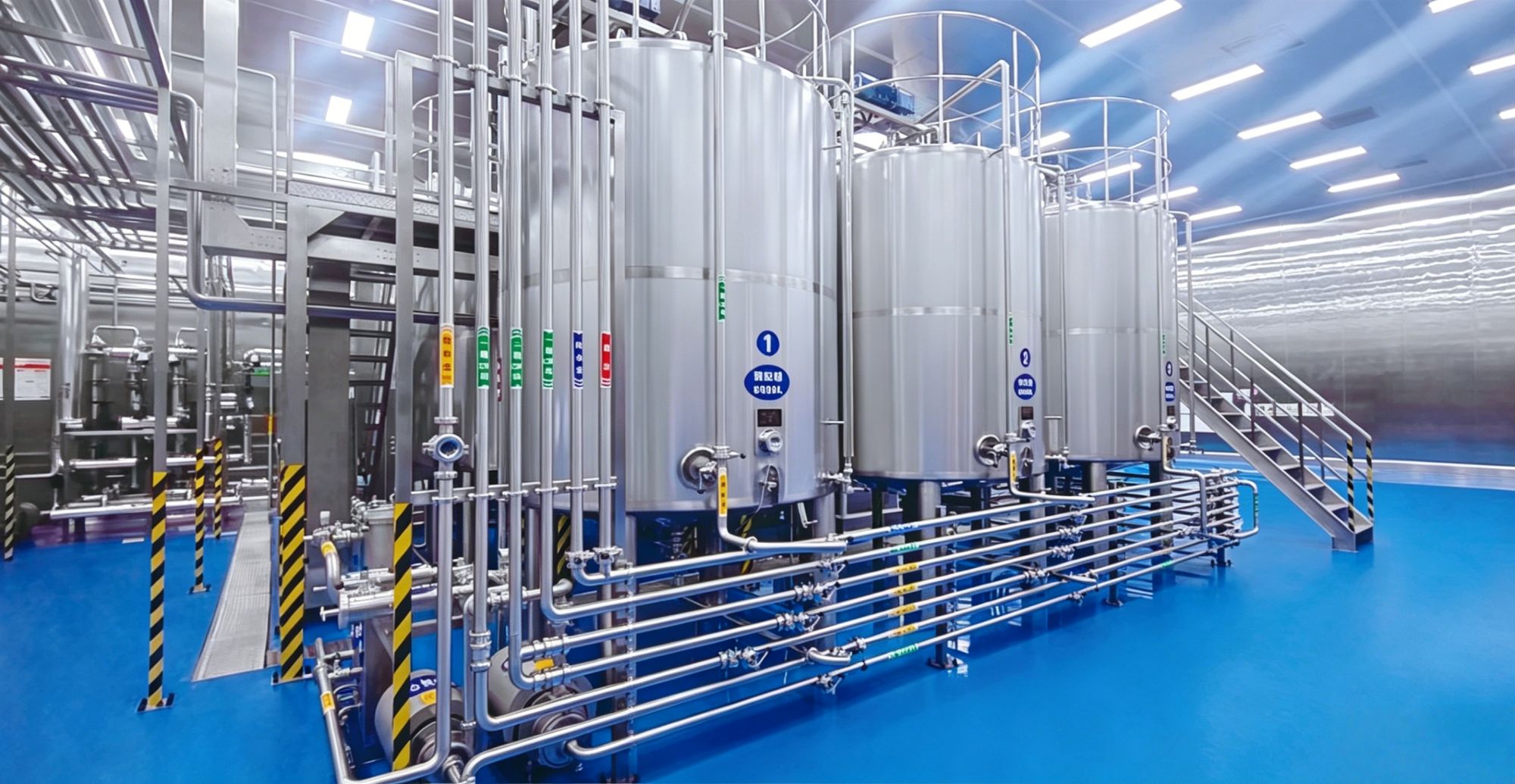
Getting fresh juice into bottles without losing its vibrant taste and nutrients comes down to a few smart moves. One of the simplest yet most overlooked steps is keeping everything cold—from the juice itself to the bottles and even the filling area. A chilled environment slows down oxidation and keeps those bright flavors locked in. Another trick is using gravity or gentle pumps instead of high-speed machinery that can whip in unwanted air. Small shifts like these reduce foaming and help the juice settle cleanly, meaning fewer rejects and more consistent quality.
When it comes to sealing in that just-pressed goodness, the choice of bottle headspace and fill level makes a surprising difference. Leaving just the right amount of room at the top—not too much and not too little—minimizes the oxygen pocket that can flatten the taste over time. Many small-batch producers are now turning to vacuum-assisted capping or nitrogen flushing right before the lid goes on. These methods push out the extra air without the need for artificial preservatives, letting the juice keep its fresh-squeezed character for days longer than conventional bottling.
Finally, the way bottles are handled after filling can be the make-or-break point. Quick, gentle turnover and immediate cooling—sometimes called blast chilling—stop any residual heat from cooking the juice further. This step is especially critical for cold-pressed varieties that never see pasteurization. Some craft juicers even incorporate a dry, cold storage tunnel right on the line so that filled bottles don’t sit around warming up. It’s a subtle detail, but combined with the right filling and capping rhythm, it ensures every bottle delivers the same fresh taste that customers expect, batch after batch.
Creating Custom Blends for Unique Markets
Every market carries its own rhythm, a distinct set of tastes shaped by culture, climate, and tradition. Rather than forcing a one-size-fits-all product into different regions, we study the nuances that define local palates. Whether it’s a preference for bold, smoky undertones in one corner of the world or a craving for subtle, floral notes in another, the goal is to craft a blend that feels native. This process goes beyond simple ingredient swaps—it’s about listening to the stories people tell through their food and drink, and translating those stories into a sensory experience that resonates on a personal level.
The art of blending requires a balance between consistency and surprise. We often start with a familiar base, something recognizable that anchors the drinker, then layer in elements that catch them off guard in the best possible way. A hint of local spice, a trace of wild herb, or even the way the blend interacts with the water in a specific area can turn an ordinary cup into something deeply tied to place. It’s a form of alchemy where intuition and experimentation meet, and every batch teaches us a little more about the people it’s meant for.
Beyond flavour, building custom blends opens the door to limited releases and seasonal offerings that keep a market engaged. When you design a blend that can’t be found anywhere else, it becomes more than a product—it becomes part of the local identity. Small roasters and blenders are often in the best position to do this, working closely with community partners to test and refine until the profile feels inevitable. It’s a hands-on, relationship-driven approach that turns a simple blend into a shared regional treasure, one that evolves alongside the tastes of those who enjoy it.
Streamlining Operations from Fruit to Bottle
Every step, from orchard to bottling line, holds the potential for hidden delays and quality loss. We’ve learned that the real trick isn’t just speeding things up—it’s about choreographing each handoff so that fruit arrives at peak flavor, and juice moves through extraction, clarification, and filling with minimal touch time. This means rethinking cold storage staging, customizing batch cycles to match varietal characteristics, and syncing cleaning schedules with production ebbs—not just running faster, but running smarter.
We tackled the clunky middle phases first: preprocessing and pasteurization. By shifting to modular flash heating and inline blending, we slashed changeover waste and kept flavor molecules intact. The key was treating the whole chain as a single, living flow rather than a set of isolated stations. Even maintenance crews became part of the rhythm, not stop-the-line interruptions.
The result is a facility where a fruit load triggers a seamless cascade—washing, pressing, stabilizing, bottling—with operators steering rather than scrambling. Bottles roll off with a freshness that feels just harvested, because the system now breathes with the fruit’s own timeline, not against it.
Quality Control in Modern Juice Manufacturing
Quality control in modern juice manufacturing begins long before the fruit arrives at the processing facility. Growers and suppliers are carefully vetted, with strict criteria covering soil health, pesticide use, and harvesting ripeness. This partnerships model ensures that only the best raw materials enter the production line, reducing the need for heavy intervention later. Traceability systems track each batch from orchard to bottle, allowing teams to pinpoint the origin of any inconsistency within hours rather than days.
Inside the plant, advanced sensor technology and real-time analytics monitor every stage of extraction and pasteurization. Spectrometers check for natural sugar levels, acidity, and color consistency, while inline microbial detection flags contamination risks instantly. Workers regularly pull samples for blind taste panels, but the real strength lies in blending data-driven decisions with human sensory expertise. This dual approach catches subtle off-notes that machines might miss—like a slight earthy undertone indicating poor washing—and keeps the final product tasting fresh and true to the source.
Packaging integrity is the final frontier in the quality chain. High-speed cameras inspect filled bottles for cap torque, seal continuity, and label placement, rejecting even micro-defects. Shelf-life simulation tests push products through extreme temperature cycles to verify that taste and nutritional claims hold up under real-world storage conditions. These layered checkpoints, combined with a culture that empowers line operators to halt production at the first sign of trouble, create a reliability that consumers sense but rarely have to think about.
Sustainable Practices in Juice Production
Modern juice makers are turning to closed-loop water systems that recycle rinse water back into orchard irrigation, slashing consumption by up to 40 percent. Instead of treating fruit peels and pulp as waste, many facilities now press them into cattle feed or compost them for local farms, keeping organic matter out of landfills. These shifts not only cut disposal costs but also build a circular rhythm that older linear models never achieved.
Energy demand stays a stubborn pain point, so some cooperatives have started installing solar arrays above their citrus groves—generating shade for trees while powering cold presses. A lesser-known move is heat recovery: capturing warmth from pasteurization to preheat washdown water, trimming natural gas use without any loss in food safety. Small changes like these stack up fast when scaled across thousands of gallons.
Packaging remains the front line of consumer perception, but beyond glass and recycled PET, a handful of brands are experimenting with edible films made from pectin or alginate. In tandem, they are replacing solvent-based inks with algae-derived alternatives, making the entire bottle easier to reclaim. It’s a quiet overhaul, driven more by grower alliances than top-down mandates, yet its ripple effects are reshaping the supply chain from seed to shelf.
FAQ
Off-the-shelf lines often force you to adapt your process to the equipment, which can create bottlenecks. With a custom solution, every component—from fruit washing to filling—is designed around your specific recipes, production volume, and facility layout. This means smoother workflows, less wasted floor space, and machinery that matches your exact throughput targets, not just a generic number.
Yes, because efficiency isn’t just about speed—it’s about reducing downtime, waste, and labor. A tailored line might include features like automated CIP (clean-in-place) that cut cleaning time from hours to minutes, or smart sensors that adjust pasteurization on the fly to prevent over-processing. Over a year, these savings often offset the initial custom design investment.
Pretty much anything you’d find in a juice aisle. They can process whole citrus, pome fruits, stone fruits, tropicals, and even leafy greens for green juices. Whether you’re making NFC (not from concentrate) orange juice, cloudy apple, or a ginger-turmeric wellness shot, the line can be configured with the right extraction, filtration, and pasteurization modules.
Absolutely. A well-planned custom line isn’t a fixed monolith. It’s designed with modularity in mind, so you can add extra filling heads, an additional pasteurizer, or a new capping station without tearing everything apart. We map out future-proofing options during the initial design phase so scaling up doesn’t become a headache.
In most cases, yes. We work with the specs of your current conveyors, labelers, or shrink wrappers to make sure the new line connects seamlessly. If adaptation is needed, we’ll engineer bridge modules or control system interfaces so the whole line talks the same language.
Beyond the standard warranty, we offer training for your operators, remote diagnostics that let our engineers troubleshoot in real time, and a stock of critical spare parts kept on-site or nearby. Many clients also opt for periodic optimization visits where we fine-tune settings as your recipes or materials evolve.
It varies with complexity, but a mid-sized line for a standard juice range generally takes four to six months. We begin with a detailed audit of your site and production goals, then move through engineering, fabrication, pre-assembly testing at our facility, transport, and on-site commissioning. Rushing is possible if needed, but we prefer to keep realistic timelines to avoid surprises.
Definitely. Cold-pressed juice requires gentle handling and minimal oxidation. Our lines incorporate low-speed pressing, nitrogen blanketing, and cold chain handling from press to bottle. We also design filling and capping in chilled environments to preserve those delicate nutrients and fresh flavors without pasteurization if that’s your route.
Conclusion
Custom juice production line solutions are redefining how beverage manufacturers approach efficiency, flexibility, and product quality. By integrating advanced juicing technologies, these lines drastically reduce processing time while preserving the natural flavor and nutritional value of fruits. Modern equipment, such as cold-press and high-pressure processing systems, allows producers to experiment with diverse custom blends tailored to niche markets—from exotic fruit medleys to functional wellness shots. This adaptability not only meets shifting consumer demands but also streamlines the entire workflow from fruit reception to bottling, minimizing manual intervention and waste. Automated sorting, washing, and extraction units work in harmony to ensure a seamless, continuous operation that can scale with business growth without compromising on freshness.
Beyond efficiency, these integrated solutions place a strong emphasis on quality control and sustainability. In-line sensors and real-time monitoring systems detect inconsistencies in color, viscosity, or contaminant levels, triggering immediate adjustments to maintain product integrity. Such precision safeguards brand reputation while reducing recall risks. Simultaneously, sustainable practices are woven into the production fabric—closed-loop water recycling, energy-efficient motors, and biodegradable packaging compatibility are no longer afterthoughts but core design features. By consolidating every stage—from blending and pasteurization to aseptic filling—into a cohesive, intelligent system, manufacturers achieve a level of agility that keeps them competitive in a fast-evolving beverage landscape. The result is a future-proof operation where innovation, responsibility, and profitability go hand in hand.
Contact Us
Contact Person: Laura
Email: [email protected]
Tel/WhatsApp: +86 13957758832
Website: https://www.intopmachinery.com