

China Soil Stabilization: Modern Methods and Sustainable Solutions
2026-08-01
From the vast plateaus of Tibet to the coastal deltas, China's ambitious infrastructure projects demand ground that stays solid—literally. Soil stabilization has evolved from a behind-the-scenes necessity into a showcase of modern engineering and eco-conscious innovation. Enter MST, a pioneer marrying cutting-edge techniques with sustainable practices. But what does it take to turn shifting soils into unshakable foundations while treading lightly on the planet? Let's dig in.
Harnessing Industrial Byproducts for Greener Roadbeds
The quiet hum of construction often masks a hidden opportunity: the mountains of slag, fly ash, and recycled concrete that pile up at industrial sites. Instead of letting these byproducts burden landfills, forward-thinking engineers are giving them a second life beneath our wheels. Blending steel slag into asphalt, for instance, doesn’t just divert waste—it creates roadbeds that grip better in wet weather and resist rutting under heavy traffic, all while trimming the carbon footprint of traditional quarrying.
Trial stretches in northern Europe have seen crushed glass from bottle banks mixed into subbase layers, where its angular particles lock together like a jigsaw, improving drainage and reducing the need for virgin gravel. Meanwhile, coal combustion residuals are being chemically stabilized to lock away trace heavy metals as they fortify embankments. These aren’t just feel-good experiments; they’re cost-effective, performance-driven fixes that redefine what we consider waste.
The real magic happens when local materials match local needs—surplus limestone dust from a nearby quarry might tamp down dust on a gravel road, while bottom ash from a biomass plant can lighten the load on soft soils, curbing settlement. It’s a quiet revolution where supply chains shrink, pavements last longer, and the road itself becomes a narrative of reuse. Each mile built this way is a step toward closing the loop.
Bio-Enzymes: Nature’s Answer to Soil Erosion Control
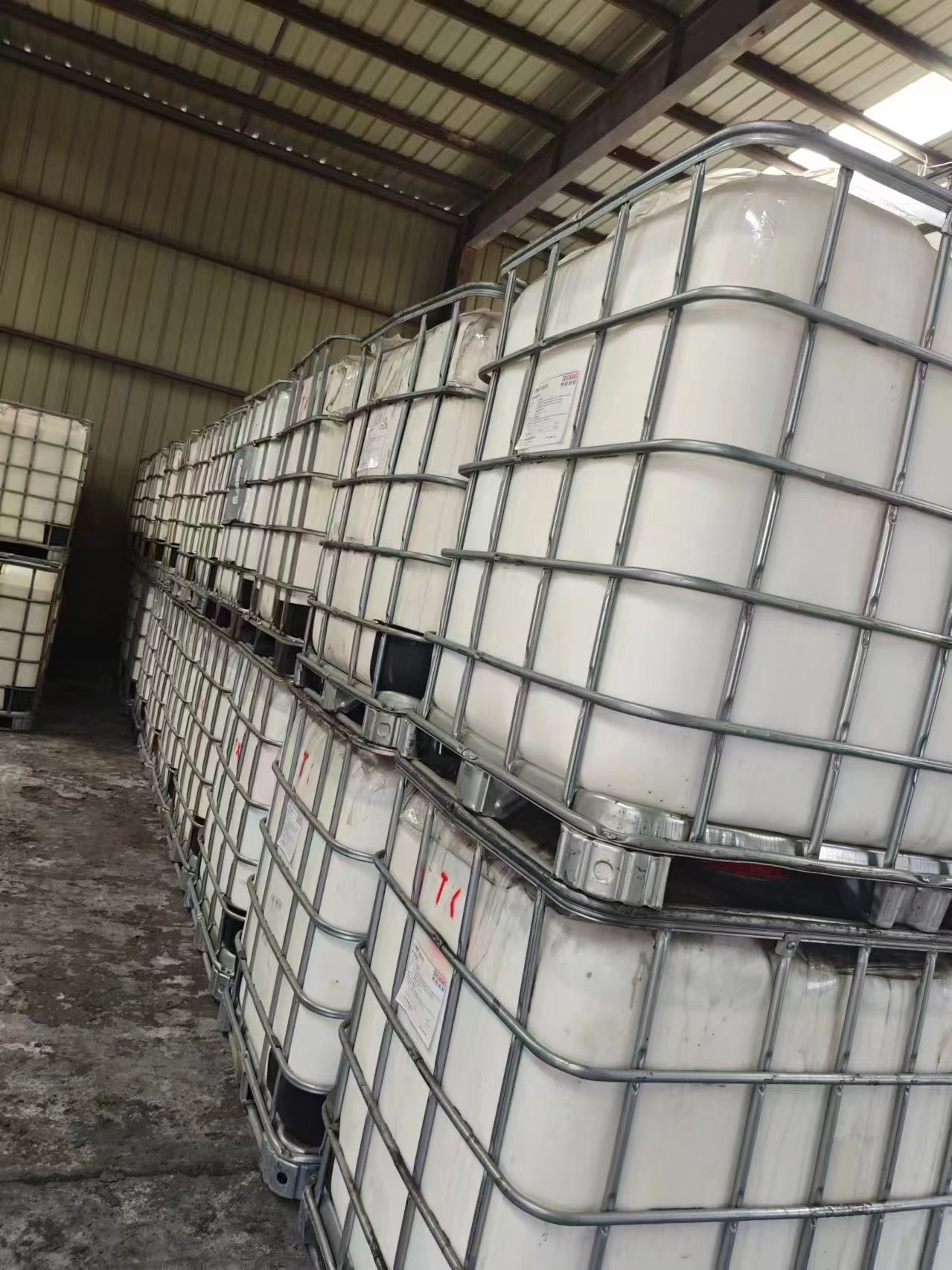
Soil erosion strips away the earth's fertile layer, leaving behind barren land unable to support plant life. Conventional control methods often rely on chemical binders or synthetic meshes, which can introduce toxins into the ecosystem and disrupt natural processes. Bio-enzymes offer a strikingly different path—derived from microbial activity, these proteins catalyze reactions that bind soil particles together without harming the surrounding environment. They work by accelerating the formation of stable soil aggregates, effectively gluing tiny particles into larger, wind- and water-resistant clumps. This biological approach restores the soil's natural structure, making it far less prone to washing or blowing away.
What sets bio-enzymes apart is their ability to improve the soil’s capacity to hold water and nutrients, while also fostering the growth of beneficial microorganisms. When applied, they trigger a cascade of improvements: organic matter breaks down more efficiently, root systems dig deeper, and the ground becomes denser with life. This living shield not only resists erosion but actively regenerates itself over time. Unlike synthetic stabilizers that degrade or need reapplication, bio-enzymes create a self-sustaining cycle—healthier soil supports more plants, whose roots, in turn, reinforce the earth. Projects in regions battered by monsoon rains or desert winds have shown that enzyme-treated plots retain topsoil far better than untreated areas, even under severe weather events.
The beauty of bio-enzymes lies in their versatility. They can be tailored to work in sandy, clay-rich, or loamy soils, and they adapt to local climatic conditions without the need for heavy machinery or complex infrastructure. For communities struggling with degraded farmland or threatened watersheds, these enzymes represent a low-cost, long-term solution that rebuilds the land from the ground up. As farmers and land managers observe the return of earthworms and the softening of once-compacted ground, the proof of their effectiveness becomes abundantly clear. Rather than fighting nature, bio-enzymes align with it, turning soil erosion control into an act of regeneration.
Polymer Innovations: Strengthening China’s Infrastructure
The quiet strength behind China's modern bridges and tunnels increasingly comes from advanced polymer composites. These materials, often woven from carbon or glass fibers, offer a corrosion resistance that steel simply can't match, especially in coastal and high-humidity regions. By embedding these polymers into structural components, engineers are extending the service life of critical infrastructure by decades, reducing the relentless cycle of repair and replacement.
Beyond durability, polymer innovations are reshaping how we think about road surfaces and water management. High-performance polymer-modified asphalts are being deployed on expressways to withstand heavier traffic loads and extreme temperature swings without rutting or cracking. Meanwhile, flexible polymer pipes are quietly replacing brittle concrete in drainage and sewage systems, absorbing ground movements and resisting chemical erosion in ways that drastically lower maintenance costs and prevent unseen leaks.
Perhaps the most visually striking shift is in architectural design, where transparent polymer panels and lightweight composites are enabling airier, more energy-efficient buildings. These materials are not just cladding; they're integral to smart structures that regulate heat and light, all while shedding tons of dead weight compared to traditional glass and steel. From the bird's nest lattice of a stadium to the sweeping canopy of a high-speed rail station, polymers are letting China's infrastructure breathe—and stand taller with less.
Low-Carbon Cements: The Future of Soil Solidification
Traditional soil stabilization methods often rely on ordinary Portland cement, a material responsible for a significant share of global carbon emissions. Every ton of cement produced releases nearly an equal amount of CO₂ into the atmosphere, making conventional approaches increasingly untenable in a world demanding sustainable infrastructure. Low-carbon cements offer a compelling alternative, using industrial byproducts like fly ash, slag, or calcined clays to drastically cut emissions—sometimes by over 50%. These materials not only reduce the environmental footprint but also maintain or even improve the mechanical properties needed for durable soil solidification, from highway subgrades to building foundations.
The shift toward low-carbon binders is reshaping how engineers think about ground improvement. Instead of viewing soil as a passive material to be glued together, these innovative cements chemically interact with clay particles and moisture to form stable, long-lasting matrices. The result is a fusion of waste valorization and geotechnical performance—preventing erosion, reducing settlement, and locking contaminants in place. Field trials across Europe and Asia show that activated slag or geopolymer-based cements can match the strength development of ordinary cement, while cutting the carbon budget by up to 80%. This isn't just a minor tweak; it's a fundamental rethink of how we build on the ground beneath our feet.
Adopting low-carbon cements for soil solidification does more than shrink emissions. It creates demand for secondary raw materials that would otherwise end up in landfills, aligning construction with circular economy principles. Moreover, these binders often exhibit better resistance to sulfate attack and reduced heat of hydration, which enhances durability and prevents cracking in massive pours. The real beauty lies in the versatility—whether you're stabilizing expansive clays or remediating contaminated industrial sites, the chemistry can be tailored. While challenges like supply chain consistency and code acceptance remain, the trajectory is clear: low-carbon cements aren't a niche experiment; they are the inevitable, smarter foundation for tomorrow's infrastructure.
Smart Monitoring: AI and IoT in Soil Stabilization Projects
Bringing together artificial intelligence and the Internet of Things is changing how soil stabilization projects are managed from the ground up. Instead of relying on periodic manual checks, project teams now tap into continuous streams of data from sensors embedded directly in the treated soil. These small, rugged devices track moisture levels, temperature shifts, settlement rates, and even chemical changes in real time. The AI layer then steps in to spot patterns that human inspectors might miss—such as a gradual loss of strength in a specific zone long before it becomes a visible problem. This fusion lets engineers make calls based on live conditions rather than outdated reports, trimming both guesswork and costly over-engineering.
Out in the field, the setup is often less intrusive than people expect. Wireless sensor nodes are placed at critical depths during the mixing or injection phase, and they immediately begin feeding data to a cloud-based platform. Machine learning models, trained on historical performance data from similar soil types and binders, compare what’s happening now against what’s expected. If the curing process veers off track—say, the pH in a lime-treated layer starts to dip—the system flags it and can even suggest corrective actions, like adjusting the water content or extending the curing time. This turns monitoring from a reactive chore into a proactive safeguard, keeping small hiccups from growing into full-blown failures.
The practical upside is hard to ignore. Contractors save on repeat visits and destructive testing, while asset owners get a clearer picture of long-term performance from day one. There’s also a safety win: fewer people need to wade into unstable terrain for routine measurements. Over time, the gathered data feeds back into better mix designs and site-specific models, which means the next project down the road inherits a sharper set of predictions. It’s a quiet shift away from one-size-fits-all prescriptions toward something far more responsive—earthworks that essentially tell you when they need attention, rather than waiting to be checked on.
From Rice Husks to Roads: Agricultural Waste in Sustainable Construction
Every year, millions of tons of rice husks pile up as a byproduct of milling, often burned or left to rot. But engineers and researchers are finding ways to channel this abundant waste into durable roads and building materials. The lightweight, silica-rich nature of rice husks makes them a surprisingly effective additive for asphalt and concrete, reducing the need for mined aggregates and cutting down on carbon emissions during production.
Beyond just disposal, the integration of agricultural residue into construction offers a circular solution. In regions like Southeast Asia, trial road sections blended with rice husk ash have shown improved resistance to rutting and moisture damage. This method not only diverts waste from landfills but also creates a local supply chain that lessens dependency on imported raw materials, making infrastructure projects more resilient and cost-effective.
The shift toward bio-based construction is gathering momentum as construction firms experiment with other crop wastes like sugarcane bagasse and coconut coir. By treating agricultural leftovers not as trash but as a resource, the industry is slowly rewriting the narrative around rural waste streams, turning fields of discarded husks into the foundations beneath our feet.
FAQ
Soil stabilization involves enhancing the physical and engineering properties of soil to meet construction demands. In China, it's vital due to diverse geology, rapid urbanization, and the need for durable roads, rails, and buildings that withstand seismic activity and extreme weather.
China employs a mix of mechanical compaction, chemical stabilizers like cement and lime, and geosynthetics. Cutting-edge approaches include microbial induced calcite precipitation (MICP) for eco-friendly stabilization, deep soil mixing for soft ground, and the use of industrial byproducts like fly ash.
These techniques reduce reliance on virgin materials by recycling industrial waste, lower carbon emissions by minimizing transport and processing, and salvage marginal soils. Biologically based methods also restore soil health, aligning with green construction goals.
For the collapsible loess in the north, methods combining compaction with chemical additives are used. In the soft alluvial soils of the Yangtze Delta, deep cement mixing creates load-bearing columns. Traditional materials like bamboo fiber are also being integrated with modern polymers for reinforcement.
It ensures subgrade stability for high-speed rail and expressways, preventing settlement, erosion, and liquefaction. Advanced stabilization is key to maintaining safety and longevity under heavy loads and variable climates, supporting China's vast transportation expansion.
Innovations include nano-silica and polymer composites that dramatically improve strength, enzyme-induced carbonate precipitation, smart monitoring systems for real-time quality control, and converting municipal solid waste incineration fly ash into effective stabilizers.
By prioritizing locally sourced materials and industrial symbiosis, costs are kept down. Government incentives for green materials, along with life-cycle assessments, ensure that long-term environmental gains outweigh initial expenses, making sustainable stabilization widely adopted.
Conclusion
China’s approach to soil stabilization increasingly turns waste into worth, blending industrial byproducts and agricultural leftovers with cutting-edge science to build roadbeds that last while shrinking the carbon footprint. Fly ash, slag, and rice husk ash are no longer discarded but engineered into binders that rival traditional cement in strength, offering a second life for materials once destined for landfills. Bio-enzymes derived from natural processes further transform local soils by catalyzing compaction and reducing permeability, curbing erosion without the heavy environmental toll of synthetic additives. This fusion of biology and resourcefulness is reshaping rural and peri-urban infrastructure, turning marginal earth into stable foundations using methods that give back to the land rather than depleting it.
At the same time, polymer-based stabilizers are raising the bar for durability, creating flexible yet robust matrices that resist cracking under China’s diverse climatic stresses, from northern freezes to southern monsoons. Low-carbon cements, often activated by alkalis or geopolymeric reactions, drastically cut greenhouse gas emissions while achieving rapid strength gains for time-sensitive projects. Underpinning these material advances is a quiet revolution in intelligence: wireless sensors, real-time data streams, and machine learning algorithms embedded within stabilised layers are enabling predictive maintenance and adaptive construction, moving from reactive fixes to proactive resilience. Together, these modern methods form an integrated system where waste, nature, and technology converge, making China’s soil stabilization not just a technical necessity but a model of ecological and digital stewardship.
Contact Us
Contact Person: Helen
Email: [email protected]
Tel/WhatsApp: 86 18630661160
Website: https://www.roadmilestone.com/