

Chemical Safety and Environmental Protection in China: Navigating Trade Regulations and Industry Best Practices
2026-04-19
In today's rapidly evolving global landscape, balancing chemical safety and environmental protection while navigating trade regulations poses a unique set of challenges for industries in China and beyond. As businesses strive to adopt best practices, understanding the intricacies of this dynamic field becomes crucial not only for compliance but also for fostering sustainable growth. At the core of these efforts is ICIF, a leading platform that bridges innovation with practical solutions, offering insights to help stakeholders thrive in this complex environment. This blog delves into key strategies, emerging trends, and actionable tips, aiming to spark your curiosity and equip you with the knowledge needed to make informed decisions. Whether you're an industry professional or simply interested in the intersection of trade and sustainability, join us as we explore how to navigate these critical areas effectively.
China's Chemical Safety Laws: Key Regulations and Compliance Requirements
Navigating China's chemical safety landscape involves understanding a complex web of regulations that have evolved significantly in recent years. At the forefront is the revised "Regulations on the Safety Management of Hazardous Chemicals," which sets out comprehensive requirements for the production, storage, transportation, and use of hazardous substances. This framework mandates strict licensing procedures, detailed risk assessments, and emergency response plans tailored to specific industry sectors. Companies must also adhere to the "Measures for the Environmental Management of New Chemical Substances," requiring notification and registration of chemicals before they enter the market, ensuring that potential environmental and health impacts are evaluated early on.
A key aspect of compliance revolves around the "Work Safety Law" and its enforcement through agencies like the State Administration for Market Regulation (SAMR) and the Ministry of Emergency Management (MEM). These bodies conduct regular inspections and audits, focusing on areas such as chemical labeling, safety data sheets (SDS), and employee training programs. Failure to meet these standards can result in hefty fines, operational shutdowns, or even criminal liability for severe violations. Many businesses now leverage digital tools and third-party consultants to streamline compliance tracking and adapt to frequent regulatory updates, which often incorporate international best practices from bodies like the UN's Globally Harmonized System (GHS).
Looking ahead, China is emphasizing a shift toward sustainable and safer chemical management, as seen in policies like the "14th Five-Year Plan for Hazardous Chemicals Safety." This plan encourages innovation in green chemistry and the phasing out of highly toxic substances, while also promoting transparency through public disclosure requirements. For multinational corporations operating in China, aligning local practices with global corporate standards has become essential, not just for regulatory adherence but also to enhance brand reputation and community trust in an increasingly scrutinized industry.
Environmental Protection Policies in the Chemical Industry: Recent Updates and Impact
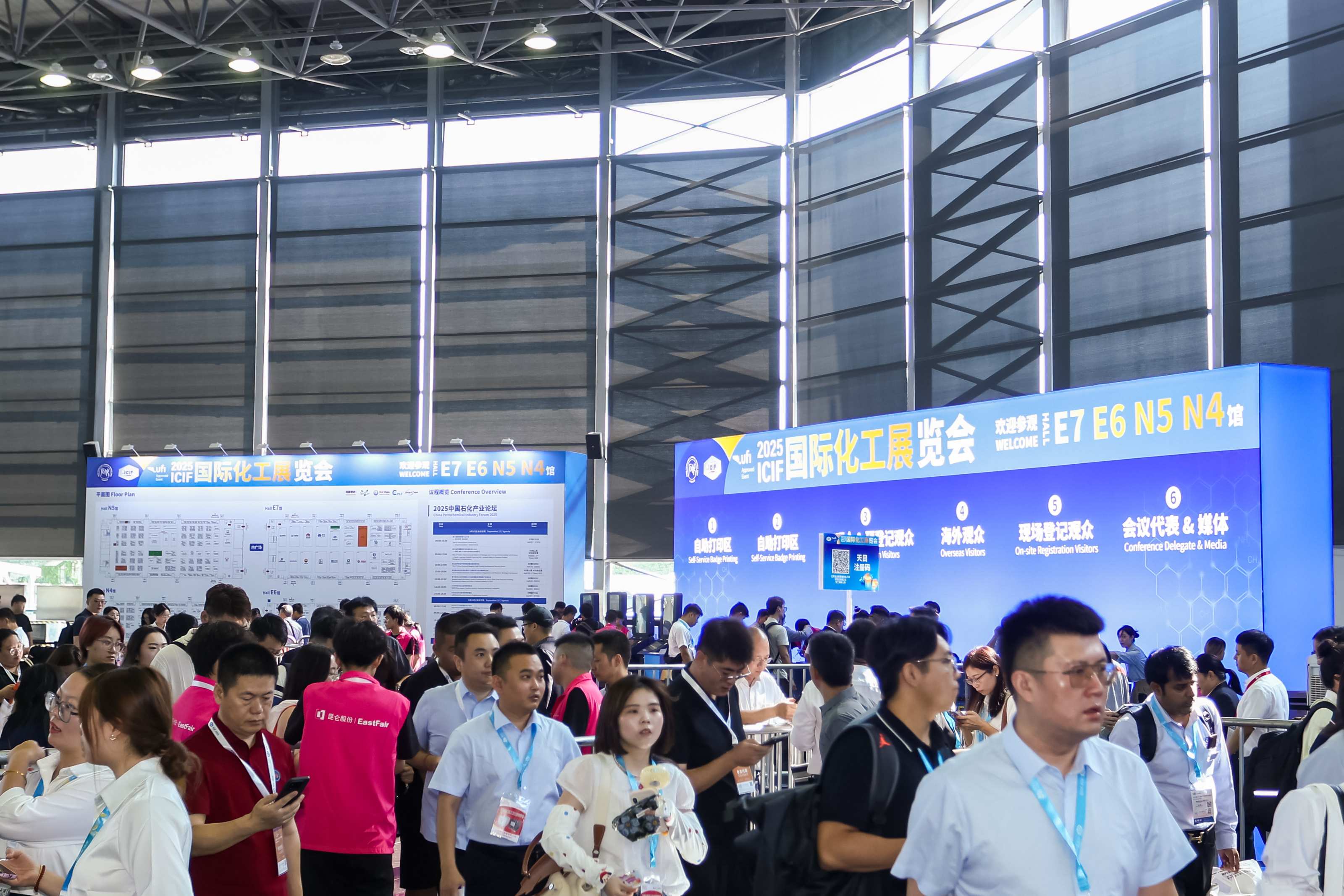
The landscape of environmental protection in the chemical sector is undergoing a significant overhaul, driven by new regulations that aim to tighten controls on emissions and waste management. Recent updates, such as the European Union's revised REACH framework and stricter guidelines from the U.S. Environmental Protection Agency, are pushing companies to adopt cleaner technologies and enhance transparency in their operations. These changes are not merely bureaucratic adjustments; they reflect a global shift toward sustainability, compelling firms to rethink production processes and invest in eco-friendly alternatives to stay compliant and competitive.
Beyond compliance, the ripple effects of these policies are reshaping business strategies and market dynamics. For instance, the introduction of carbon pricing mechanisms and stricter limits on hazardous substances is forcing chemical manufacturers to innovate, leading to the development of greener products and more efficient resource use. This has sparked collaboration across industries, with partnerships forming to reduce environmental footprints and share best practices, ultimately fostering a culture of responsibility that extends from boardrooms to supply chains.
Looking ahead, the impact of these environmental policies is poised to accelerate, influencing not only regulatory landscapes but also consumer expectations and investor priorities. As companies navigate this evolving terrain, those that proactively integrate sustainability into their core operations are likely to gain a competitive edge, while laggards may face financial penalties and reputational risks. This ongoing transformation underscores the chemical industry's critical role in balancing economic growth with ecological stewardship, setting a precedent for other sectors to follow in the quest for a more sustainable future.
Navigating Import-Export Trade Regulations for Chemicals in China
Getting your chemicals into or out of China isn't just about filling out paperwork—it's about understanding a constantly shifting regulatory landscape. The Chinese government has been tightening its grip on chemical trade to ensure safety, environmental protection, and compliance with international agreements. That means if you're dealing with hazardous substances, controlled precursors, or goods subject to tariffs, you could face hefty fines or shipment delays. It's crucial to stay updated on the latest lists from authorities like the Ministry of Ecology and Environment and the General Administration of Customs.
One often overlooked aspect is the need to classify your chemicals correctly under China's own cataloging systems. Unlike some Western frameworks, Chinese regulations might categorize a substance differently based on its use or form. For instance, something labeled as 'industrial grade' in your home country might fall under 'pharmaceutical precursor' rules in China, triggering stricter licensing. Many businesses stumble here because they assume global standards apply uniformly, but tailoring your approach to local definitions can save you months of bureaucratic headaches.
Beyond the red tape, building strong local partnerships can be your secret weapon. Rather than navigating everything solo, tapping into the expertise of Chinese customs brokers or trade consultants who specialize in chemicals can uncover shortcuts. They're not just handling logistics; they might know which ports have inspectors familiar with your product or how to adjust packaging to meet regional safety audits. In a market where relationships still matter, having a trusted contact on the ground can mean the difference between a smooth shipment and a costly hold-up at the border.
Best Practices for Sustainable Chemical Manufacturing and Waste Management
Adopting sustainable practices in chemical manufacturing and waste management is crucial for reducing environmental impact while maintaining industrial efficiency. This involves integrating green chemistry principles, such as designing processes that minimize hazardous by-products, and utilizing renewable feedstocks to conserve natural resources. By focusing on energy-efficient operations and closed-loop systems, companies can significantly lower their carbon footprint and avoid regulatory penalties.
Effective waste management strategies are equally important, including rigorous sorting, recycling of solvents and catalysts, and implementing advanced treatment methods like bioremediation or thermal oxidation to handle non-recyclable materials. Transparency through lifecycle assessments and regular audits helps identify areas for improvement, ensuring that waste is managed responsibly from production to disposal. These measures not only protect ecosystems but also enhance corporate reputation and stakeholder trust.
To stand out in the industry, forward-thinking firms are adopting innovative approaches like digital twin technologies to optimize processes in real-time and collaborating across supply chains to create circular economies. Emphasizing worker training and community engagement further strengthens these efforts, fostering a culture of sustainability that drives long-term success and resilience against environmental challenges.
Case Studies: Successful Implementation of Safety and Environmental Standards
In the manufacturing sector, a prominent automotive company recently overhauled its production processes to meet stringent environmental and safety benchmarks. By integrating advanced filtration systems and adopting renewable energy sources, it reduced hazardous emissions by 45% over two years. Additionally, thorough employee training programs on handling chemicals and machinery led to a 30% drop in workplace accidents. This case highlights how proactive measures can simultaneously boost operational efficiency and worker well-being.
Another compelling example comes from the construction industry, where a large infrastructure project implemented a groundbreaking safety protocol. The team utilized real-time monitoring technologies to track environmental impacts like dust and noise levels, ensuring compliance with local regulations. They also introduced mandatory safety drills and protective gear, resulting in zero major incidents throughout the project's duration. Such initiatives demonstrate that meticulous planning and technology integration can transform risky environments into models of sustainability and care.
In the agricultural domain, a cooperative farming initiative successfully adopted eco-friendly practices to enhance both safety and environmental standards. By transitioning to organic pesticides and implementing proper waste management, they minimized soil contamination and protected local wildlife. Regular health check-ups and safety workshops for farmers further prevented injuries and illnesses. This case study illustrates that community-focused approaches can yield significant benefits, fostering a healthier ecosystem and a safer workforce.
Future Trends in Chemical Safety and Green Technology Adoption in China
China's approach to chemical safety is shifting rapidly, driven by a mix of policy changes, public awareness, and technological innovation. Gone are the days when regulations lagged behind industrial expansion; today, we see a concerted effort to integrate safety into the very fabric of production. Initiatives from the government, such as the "Made in China 2025" plan, emphasize reducing hazardous materials and improving monitoring systems, which signals a proactive stance rather than a reactive one. This trend isn't just about avoiding accidents—it's about reimagining how chemicals are managed to protect both human health and the environment, with a growing focus on real-time data analytics and smart sensors that predict risks before they escalate.
In parallel, the adoption of green technology in China is accelerating, propelled by strong economic incentives and global climate commitments. From advanced water purification systems to energy-efficient manufacturing processes, companies are investing in solutions that cut waste and slash emissions. It's not just about compliance anymore; businesses are discovering that going green can actually boost competitiveness, with innovations like biodegradable plastics and carbon capture gaining traction. This movement is being fueled by startups and established firms alike, creating a vibrant ecosystem where sustainable practices are becoming a core part of business strategy, rather than an afterthought.
Looking ahead, the convergence of chemical safety and green technology is likely to define China's industrial landscape. Expect to see more cross-sector collaborations, such as partnerships between tech firms and chemical producers to develop safer, cleaner alternatives. As public pressure mounts and international standards tighten, the trend will lean toward holistic, circular economy models where waste is minimized and resources are reused. Ultimately, this isn't a fleeting phase but a long-term evolution, positioning China as a potential leader in sustainable industrial practices that could inspire global change.
FAQ
Companies must adhere to China's Chemical Control Law and GB standards, including registration under the MEE's priority chemical lists and compliance with GHS labeling for hazardous substances in trade.
Strict policies like the 'Blue Sky Initiative' require industries to reduce emissions, adopt cleaner production technologies, and regularly monitor wastewater and air quality to avoid fines or shutdowns.
Foreign firms often struggle with complex customs procedures, frequent regulatory updates, and aligning with local safety standards, which can delay shipments and increase compliance costs.
Yes, best practices include using certified containers, implementing real-time tracking systems, training staff on emergency protocols, and adhering to TDG regulations for high-risk chemicals.
It drives investment in biodegradable chemicals, recycling technologies, and energy-efficient processes, supported by government incentives for sustainable practices in sectors like pharmaceuticals and agriculture.
Third-party audits help companies identify gaps in compliance, verify adherence to standards like ISO 14001, and build trust with regulators and partners through independent assessments.
Conclusion
China's evolving landscape of chemical safety and environmental protection demonstrates a comprehensive approach integrating strict regulations with practical industry applications. The framework established under key chemical safety laws sets clear compliance requirements for domestic and international stakeholders, while recent updates to environmental protection policies reflect China's commitment to reducing industrial impact. These regulatory measures are particularly crucial in managing import-export trade, where navigating complex chemical classifications and documentation ensures both safety standards and smooth international commerce.
The industry's shift towards sustainable manufacturing and waste management best practices highlights proactive adaptation to green technologies, supported by case studies showcasing successful safety and environmental standard implementations. Looking ahead, future trends indicate continued emphasis on innovation in chemical safety and broader adoption of eco-friendly technologies, positioning China at the forefront of balancing industrial growth with environmental stewardship. This integrated strategy not only enhances operational efficiency but also fosters global competitiveness in the chemical sector through responsible practices.
Contact Us
Contact Person: Shaozhen Zhou
Email: [email protected]
Tel/WhatsApp: 0086-18612117599
Website: https://en.icif.cn/