

Bulk Push Button Switch Exporter: How to Source Quality Components Efficiently
2026-06-24
Sourcing push button switches in bulk can be a daunting task, especially when quality and efficiency are non-negotiable. Whether you're scaling production or streamlining your supply chain, the right exporter makes all the difference. In this guide, we share proven strategies to identify reliable suppliers and secure top-tier components without delays. At the heart of our approach is a trusted partner like KEJIAN ELECTRONICS, known for consistent quality and seamless logistics. Read on to learn how to avoid common pitfalls and build a resilient sourcing pipeline.
Finding Reliable Button Switch Manufacturers
Sourcing dependable button switch manufacturers requires more than a surface-level browse through supplier catalogs. You'll want to dig into a company's track record, paying close attention to how they handle consistency across production batches. Real-world feedback from engineers and procurement teams often reveals more than polished online storefronts—look for recurring mentions of tolerance control, lead time honesty, and failure rates under specified electrical loads. Don't hesitate to ask for sample lots that span multiple production cycles; a single golden sample can't speak to long-term repeatability.
It's also worth evaluating how a manufacturer approaches technical communication. The best partners tend to respond with dimensional drawings that account for panel cutout variations, diagrams showing expected bounce behavior, and test data under conditions that mirror your application. If you're designing for outdoor panels or high-vibration environments, inquire about sealing consistency and contact material choices without accepting vague reassurances. A manufacturer that openly discusses IP rating testing methodology and provides aging data on commonly used alloys is signaling a depth of expertise that generic suppliers often lack.
Finally, consider the long-term outlook. Manufacturers with stable inventory of UL, VDE, or CQC-certified switches and transparent supply networks for silver-alloy contacts are better placed to support your production ramps. Review how they've managed component obsolescence in the past and whether they offer pin-compatible alternatives when a line is discontinued. The goal isn't just finding a vendor for today's purchase order, but building a relationship that safeguards your designs across revisions and volume shifts.
Quality Checks That Go Beyond Standard Specs
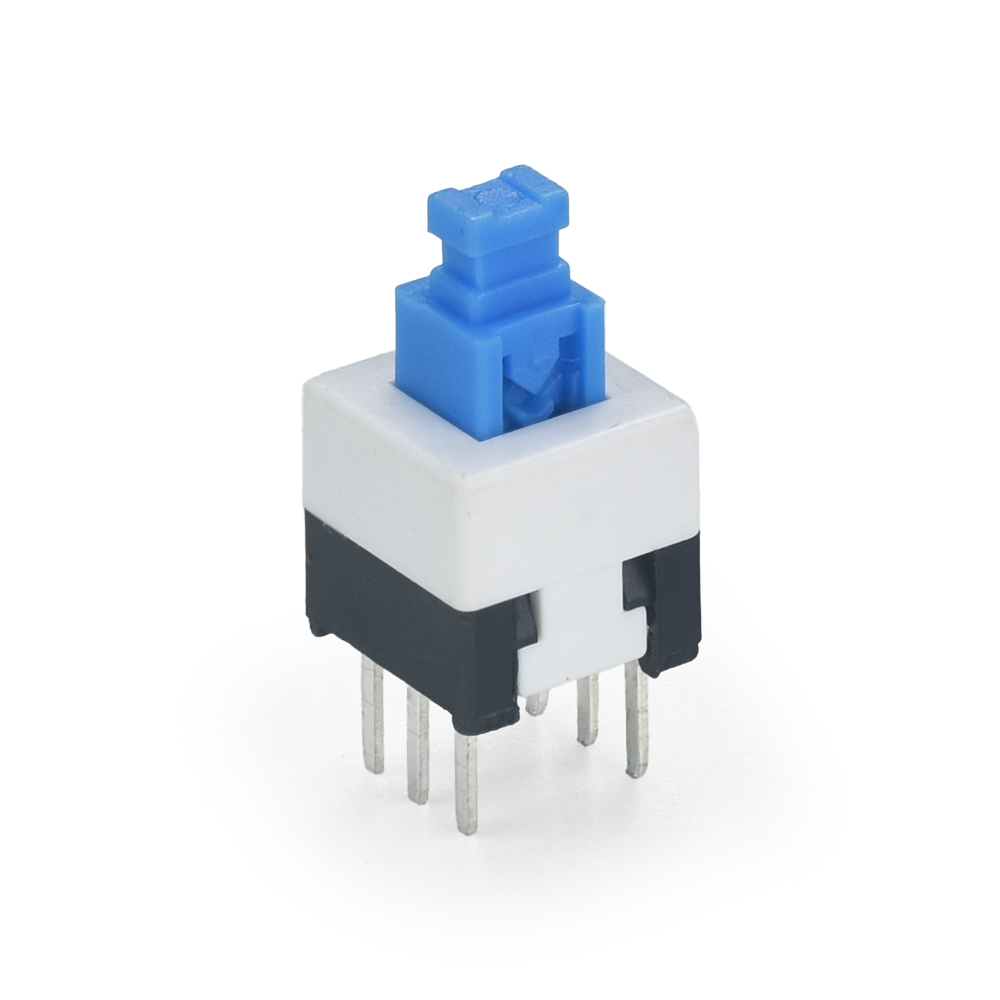
We don't stop at industry benchmarks. Our quality checks dig deeper, examining material resilience under unusual stress, long-term wear patterns, and real-world usage scenarios that typical specifications overlook. Every product undergoes a battery of tests designed to reveal hidden weaknesses, from extreme temperature cycles to salt spray corrosion, ensuring it performs when it matters most.
Instead of relying on pass/fail checklists, our engineers engage in a continuous dialogue with the production floor. They pull random samples off the line for unannounced audits, measuring tolerances that aren't even on the official spec sheet. If a weld feels a micron too proud or a surface finish reflects light differently, we pause the entire batch. That level of scrutiny catches drift before it becomes a defect.
Customers often ask why our products outlast the competition by years. The answer lies in the unglamorous hours spent verifying things like adhesive bond strength after UV exposure or electrical contact resistance through vibration cycles. We don't just check what's required; we anticipate what might fail. That's not standard—it's obsessive. And it's exactly the kind of quality you deserve.
Negotiating Pricing Without Sacrificing Component Grade
Price talks often feel like a tug-of-war between cost and quality, but the smartest negotiators know that component grade doesn’t have to be the bargaining chip. Instead of slashing specs to meet a number, start by mapping out where the real value lies in the part you need. Is it a tighter tolerance, a longer lifespan, or just a brand preference? Sometimes a slightly different alloy or a revised surface finish delivers nearly identical performance at a better price, and suppliers are often willing to guide that conversation if they see you understand the trade-offs.
Transparency also changes the game. When you’re upfront about your budget ceiling and your non-negotiables on quality, it invites suppliers to propose alternatives you might not have considered. They might reveal that a certain certification is padding the cost without adding functional benefit, or that a consolidated order across multiple projects brings down the per-unit grade without compromising your design. The key is to keep the dialogue focused on solving a problem together rather than squeezing margins until something breaks.
Finally, think beyond the initial invoice. Total cost of ownership often flips the script on what constitutes a “good deal.” A lower-grade component that needs more frequent replacement or creates downtime is rarely a bargain. By framing the negotiation around lifecycle costs—maintenance, reliability, and even stock availability—you create room to hold the line on grade while still working the overall price. That approach not only preserves your product’s integrity but also builds a more resilient supplier relationship over time.
Streamlining Logistics for Consistent Supply
A well-orchestrated logistics network acts as the backbone of any operation that depends on steady material flow. Instead of chasing reactive fixes when shipments stall, forward-thinking teams map out transportation routes with built-in flexibility—diversifying carrier partnerships and regional hubs so that a disruption in one lane doesn't ripple into stockouts. This layer of redundancy, combined with real-time visibility tools, shifts the focus from scrambling for updates to making calm, informed adjustments that keep supply lines humming.
Warehousing choices play an equally subtle yet critical role. Positioning inventory closer to demand centers through a mix of owned and on-demand storage spaces cuts lead times without ballooning fixed costs. Cross-docking strategies and synchronized inbound-outbound schedules then minimize touches, reducing both handling damage and the lag between receiving and dispatch. The result is a rhythm where goods move almost frictionlessly from arrival to departure, maintaining availability without excess safety stock weighing down the balance sheet.
Technology threads through these improvements not as a shiny add-on but as a quiet enabler. Shared digital platforms let suppliers, carriers, and internal teams see the same inventory signals, flagging shortages before they become urgent. Automated replenishment triggers, backed by consumption patterns rather than guesswork, prevent both overcorrection and neglect. Over time, these practices layer into a self-correcting system where consistency becomes a natural output of thoughtful design, not a daily firefight.
Verifying Certifications and Compliance Early
Starting the compliance check early avoids last-minute scrambling when deadlines approach. Many businesses only realize gaps in their certifications after a contract is at risk, which can delay projects or even result in lost opportunities. A proactive approach means scheduling quarterly reviews of all active credentials, from safety standards to environmental permits, and setting automated reminders for renewal dates well in advance.
It’s not just about having the paperwork on file—it’s about understanding the specific requirements of each regulation that applies to your operations. A certificate might be valid, but if a regulation has been updated and your procedures haven’t been adjusted accordingly, you could still face penalties. Regular internal audits involving the relevant teams can surface these mismatches before an external inspector does.
Engaging with certification bodies early also helps when complex or multi-step approvals are needed. Some compliance processes involve site visits, testing, and documentation reviews that take weeks or months. Initiating these conversations early and maintaining open communication ensures there are no surprises, and it signals to partners that your organization takes regulatory adherence seriously.
Spotting Red Flags in Supplier Communication
When a supplier's responses start feeling evasive, pay close attention. If they dodge direct questions about lead times, material sourcing, or production capacity, it's often a sign they're hiding delays or quality compromises. Genuine partners communicate openly, while those who overpromise and underdeliver will deflect with vague assurances like “trust our process” without offering concrete details.
Another warning sign shows up in inconsistent tone or erratic communication patterns. A supplier who suddenly shifts from quick, detailed replies to delayed, one-line answers might be struggling internally. Watch for unexplained excuses, changing points of contact without introduction, or reluctance to share updates on factory progress. These subtle shifts can indicate financial trouble, staff turnover, or that your order isn't the priority it once was.
Pay attention to how they handle mistakes. A trustworthy manufacturer will own up to errors and present a clear fix, while a risky one blames external factors or tries to gaslight you into accepting subpar work. If they dismiss your quality concerns with phrases like “this is industry standard” without evidence, or pressure you to bypass inspection protocols, it's time to reconsider the partnership. Your gut feel matters too—if something seems off, dig deeper until you're convinced otherwise.
FAQ
Start by checking how long they've been in business and whether they specialize in electromechanical components. A genuine exporter will have clear factory certifications, responsive communication, and a track record with clients in your region. Ask for recent customer references or case studies—if they hesitate, that's a red flag.
Always request custom samples that match your exact specifications, not off-the-shelf stock. Test them in your own equipment under real operating conditions—things like actuation force, electrical endurance, and environmental resistance. If possible, arrange a third-party inspection during production, not just before shipment.
Misaligned specifications top the list—exporters might substitute materials or internal components without notice. Currency fluctuations and unclear Incoterms can also inflate costs unexpectedly. And don't overlook import regulations; some switches need specific certifications like UL or CE to clear customs in your country.
Focus on total cost of ownership, not just unit price. Discuss volume commitments over a longer period, which often unlocks tiered discounts. Be upfront about your must-have quality parameters and ask where they can flex on things like packaging or payment terms instead. A good exporter will work with you if the partnership is stable.
At minimum, look for ISO 9001 for quality management. Depending on your market, you'll need product-level safety marks like UL, CSA, TÜV, or CCC. Environmental compliance such as RoHS and REACH is non-negotiable in many industries. Ask to see valid certificates and cross-check them on the issuing body's website.
Consolidate shipments whenever possible to reduce per-unit freight costs. Work with a freight forwarder experienced in electronics—they'll help with customs paperwork and avoid delays. Pay attention to packaging: switches should be packed in anti-static, moisture-resistant materials, especially for sea freight. And always insure the cargo for full value.
It's tough but possible if you choose an exporter with flexible manufacturing cells and local stock of common parts. Communicate your timeline early and see if they can slot your order into existing production schedules. Sometimes splitting the order into air-freighted urgent stock and sea-freighted bulk can balance cost and speed without ransoming your budget.
Create a standardized test sheet with all critical performance metrics before you reach out. Send the same requirements document to each exporter and insist on identical sample configurations. Set up a side-by-side comparison under the same conditions—this highlights differences in feel, durability, and consistency that a datasheet alone won't reveal.
Conclusion
Sourcing quality push button switches in bulk hinges on building trust with manufacturers that prove their reliability from the first interaction. Look beyond polished catalogs and ask for direct references from their existing buyers, especially those with long-term contracts. Visits to production sites, even virtually, reveal the real story: clean assembly areas, organized testing stations, and how they handle failed batches. When evaluating samples, don't stop at the datasheet values—test under your actual use conditions, such as varying temperatures and humidity levels that typical specs ignore. A supplier that proactively shares their defect rate trends and invites third-party audits before you ask is already ahead of the pack.
Pricing talks often get stuck on unit cost, but savvy buyers shift the conversation to total ownership cost, factoring in rejection rates and late shipment penalties. Insist on detailed component traceability—from raw plastic pellets to final contact plating—so that quality doesn't silently degrade in later shipments. Early certification checks for UL, CE, or RoHS save last-minute headaches, and a manufacturer's willingness to discuss their compliance renewal schedule shows transparency. Red flags crop up in vague answers about lead times, reluctance to provide process failure mode analyses, or a sudden change in the contacts' technical depth. By combining rigorous vetting with a partnership mindset, you lock in consistent supply that keeps your export pipeline flowing without constant firefighting.
Contact Us
Contact Person: Anna lin
Email: [email protected]
Tel/WhatsApp: +86 13567768885
Website: https://www.kjele.com/