
Boost Efficiency with Chinese Non-Oriented Electrical Steel: A Key Material for Energy Applications
2026-04-14
In the realm of energy applications, efficiency is paramount. As industries strive to reduce carbon footprints and optimize performance, the role of advanced materials like Chinese non-oriented electrical steel (NOES) becomes increasingly critical. This blog post explores how NOES is revolutionizing energy systems, from electric vehicles to renewable power generation, by enhancing magnetic properties and minimizing core losses. At the forefront of this innovation is Jiangsu Baowu New Materials, a leader in developing cutting-edge solutions that drive sustainability and efficiency. Join us as we delve into the key benefits and applications of this essential material, and discover how it's shaping a more energy-efficient future. Get ready to boost your understanding—and your curiosity—with insights that could transform your approach to energy challenges.
Unlocking Energy Efficiency: The Role of Chinese Non-Oriented Electrical Steel
When it comes to boosting energy efficiency in electrical applications, Chinese non-oriented electrical steel is making significant strides. Unlike its grain-oriented counterpart, which is tailored for transformers, non-oriented steel offers isotropic magnetic properties that make it ideal for motors, generators, and other rotating equipment. Its ability to reduce core losses and improve performance is crucial in industries aiming to cut energy consumption and meet stricter environmental standards.
In recent years, Chinese manufacturers have invested heavily in research and development, refining the production processes of non-oriented electrical steel to enhance its magnetic permeability and lower hysteresis losses. This innovation doesn't just support domestic demand but positions China as a key player in the global market, where energy-efficient technologies are increasingly sought after. By focusing on high-quality, cost-effective solutions, these steels help bridge the gap between industrial growth and sustainability goals.
Looking ahead, the role of Chinese non-oriented electrical steel is set to expand further as renewable energy systems and electric vehicles gain traction. Its adaptability and efficiency in diverse applications underscore its importance in unlocking new levels of energy savings. As policies push for greener alternatives, this material stands out for its versatility and contribution to a cleaner, more resourceful future.
How Chinese Non-Oriented Steel Drives Innovation in Electric Motors and Generators
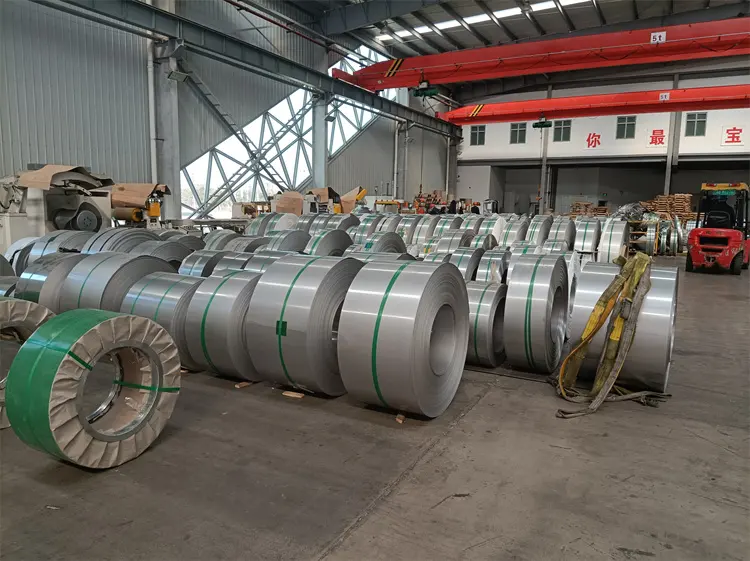
Chinese non-oriented steel, a specialized electrical steel, is playing a pivotal role in advancing modern electric motors and generators. By reducing core losses through optimized grain structures, these materials enhance energy efficiency in applications from electric vehicles to industrial machinery. Innovations in alloy compositions and rolling processes allow for thinner gauges and improved magnetic properties, which directly translate to quieter operation and higher power densities. This push for better materials is not just about incremental gains; it's reshaping how engineers design next-generation motor systems that meet stringent global energy standards.
In the realm of renewable energy, Chinese non-oriented steel contributes significantly to generator performance in wind turbines and hydroelectric plants. Its ability to handle high-frequency magnetic fields without excessive heat buildup makes it ideal for variable-speed applications, where efficiency is crucial. Manufacturers are leveraging these steels to build more compact and durable generators, reducing maintenance costs and extending operational lifespans. This material-driven innovation helps power a cleaner, more sustainable energy grid by enabling devices that convert power with minimal waste.
Moreover, the competitive edge from China's steel industry stems from a focus on scalable production and customized solutions. By collaborating with global automotive and appliance makers, suppliers develop tailored grades that address specific motor requirements, such as low noise or high torque. This collaborative approach fosters a dynamic ecosystem where material advancements spur broader technological breakthroughs, from household appliances to large-scale industrial drives, positioning China as a key player in the global transition to electrification.
Advantages of Non-Oriented Electrical Steel for Renewable Energy Systems
In the rapidly expanding world of renewable energy, non-oriented electrical steel (NOES) plays a little-known but crucial role in boosting system efficiency. Unlike conventional materials, NOES offers isotropic magnetic properties, meaning it performs consistently in all directions. This feature is particularly beneficial in the unpredictable, fluctuating environments of wind turbines and solar inverters, where magnetic fields aren't always aligned. By reducing core losses and enhancing magnetic permeability, NOES helps convert energy more smoothly, allowing these systems to operate with less wasted power and more reliability over time.
Another standout advantage is its versatility in design applications. Renewable energy devices often require compact, lightweight components due to space constraints in installations like offshore wind farms or rooftop solar arrays. NOES can be easily stamped and shaped into various forms without sacrificing magnetic performance, enabling manufacturers to create smaller, more efficient motors and transformers. This flexibility not only cuts down on material costs but also leads to lighter overall systems, simplifying logistics and installation processes in remote or challenging locations.
Perhaps most compelling is how NOES contributes to long-term sustainability goals. By improving energy conversion rates, it indirectly reduces the environmental footprint of renewable systems—every watt saved means less reliance on backup power sources and a lower carbon output over the system's lifespan. While not a headline-grabber, this steel's role in fine-tuning efficiency makes it a quiet workhorse, helping to push renewable technologies closer to their full potential without a flashy marketing spin.
Cutting Costs and Enhancing Performance with Chinese-Made Electrical Steel
In recent years, the global electrical steel market has seen a significant shift toward more cost-effective solutions without compromising on quality. Chinese manufacturers have emerged as key players in this transformation, offering high-grade electrical steel that rivals international standards at a fraction of the price. This has enabled industries, from automotive to energy, to slash material expenses while maintaining or even boosting the efficiency of their electrical components. By leveraging advanced production techniques and local resources, these suppliers deliver products that meet rigorous performance criteria, making them a go-to choice for budget-conscious yet quality-driven projects.
One standout aspect of Chinese electrical steel is its adaptability to diverse applications. Whether it's for transformers, motors, or generators, these materials are engineered to reduce core losses and improve magnetic properties, leading to better overall system performance. This isn't just about cutting corners; it's about smart sourcing that aligns with modern sustainability goals. By opting for domestically produced steel, companies can shorten supply chains, reduce carbon footprints, and ensure quicker turnaround times, all of which contribute to a leaner, more responsive operation in competitive markets.
Beyond the immediate cost savings, adopting Chinese-made electrical steel often opens doors to innovative collaborations and custom solutions. Manufacturers in China are increasingly investing in R&D, resulting in tailored grades that address specific industry challenges, such as noise reduction in appliances or enhanced durability in harsh environments. This proactive approach means businesses don't have to settle for off-the-shelf options—they can partner with suppliers to fine-tune materials for peak efficiency. In essence, it's a win-win: lower upfront investments paired with long-term performance gains that keep operations ahead of the curve.
Applications of Non-Oriented Steel in Modern Energy Infrastructure
In the rapidly evolving landscape of modern energy infrastructure, non-oriented steel plays a pivotal role by offering exceptional magnetic properties that enhance the efficiency of electrical components. This type of steel, characterized by its isotropic magnetic behavior, is extensively used in the cores of transformers and motors found in renewable energy systems like wind turbines and solar power installations. Its ability to minimize energy losses through reduced eddy currents makes it indispensable for improving the overall performance and sustainability of these green technologies, ensuring that power generation and distribution are as efficient as possible in an era focused on reducing carbon footprints.
Beyond traditional electrical applications, non-oriented steel is increasingly vital in emerging energy sectors such as electric vehicle (EV) charging infrastructure and smart grid technologies. In EV chargers, it helps optimize the magnetic circuits within power converters, leading to faster and more reliable charging while maintaining thermal stability. For smart grids, this material supports advanced metering and control systems by enabling precise magnetic sensing and efficient energy flow management. Its versatility allows for tailored compositions that meet specific operational demands, from high-frequency applications in power electronics to robust designs in grid-scale storage solutions, thereby driving innovation in how energy is harnessed and delivered.
The durability and cost-effectiveness of non-oriented steel further cement its importance in modern energy projects. Unlike oriented varieties, it provides uniform magnetic properties in all directions, simplifying manufacturing processes and reducing material waste in large-scale deployments like offshore wind farms or hydroelectric plants. This not only lowers production costs but also enhances the longevity of equipment exposed to harsh environmental conditions. As global energy demands escalate, the strategic adoption of non-oriented steel continues to support more resilient and adaptive infrastructure, positioning it as a cornerstone material that bridges technological advancements with practical economic and environmental benefits.
Future Trends: Why Chinese Non-Oriented Steel Is Shaping Global Energy Markets
As the global push for energy efficiency intensifies, Chinese non-oriented steel is emerging as a pivotal material in shaping future energy markets. This specialized steel, with its unique magnetic properties and reduced core loss, is increasingly favored for electric vehicle motors, wind turbines, and high-efficiency transformers. China's dominance in production, driven by advanced manufacturing techniques and economies of scale, allows it to supply high-quality, cost-effective steel that meets stringent international standards. This positions non-oriented steel from China not just as a commodity, but as a key enabler in the transition to renewable energy and electrification worldwide.
The impact of Chinese non-oriented steel extends beyond mere supply; it's influencing global market dynamics and innovation. By consistently lowering costs while improving performance—such as through enhanced silicon content for better magnetic permeability—Chinese manufacturers are setting new benchmarks that competitors must match. This has accelerated adoption in sectors like smart grids and industrial automation, where energy savings are critical. Moreover, China's strategic investments in research and development, coupled with supportive government policies, ensure a steady pipeline of advanced steel grades tailored to emerging technologies, solidifying its role in driving global energy trends.
Looking ahead, the trajectory of Chinese non-oriented steel suggests it will continue to be a game-changer in the energy landscape. As demand grows for more efficient and compact energy systems, this steel's ability to minimize energy waste in magnetic applications makes it indispensable. Challenges such as trade barriers and environmental concerns are being addressed through greener production methods and international collaborations. Ultimately, the rise of Chinese non-oriented steel reflects a broader shift toward sustainable innovation, where material science plays a crucial role in achieving global energy goals and reducing carbon footprints.
FAQ
It reduces energy losses in electrical systems by minimizing magnetic hysteresis and eddy currents, enhancing the efficiency of motors and transformers.
Non-oriented steel has magnetic properties that are similar in all directions, making it ideal for rotating machines, whereas oriented steel is designed for directional flux in transformers.
Industries such as automotive (for electric vehicle motors), renewable energy (for wind turbine generators), and consumer electronics benefit from its efficiency improvements.
Chinese steel offers cost-effectiveness, reliable supply chains, and continuous advancements in material quality to meet global energy demands.
By improving energy efficiency in electrical devices, it helps reduce overall energy consumption and carbon emissions, supporting green energy transitions.
Consider magnetic permeability, core loss characteristics, mechanical strength, and cost to ensure optimal performance in the intended use case.
Conclusion
Unlocking energy efficiency across various applications is increasingly reliant on advanced materials, with Chinese non-oriented electrical steel emerging as a pivotal player. This material plays a critical role in enhancing the performance of electric motors and generators, driving innovation by reducing energy losses and improving magnetic properties. Its advantages are particularly evident in renewable energy systems, where efficiency and reliability are paramount, enabling smoother integration into modern energy infrastructure.
By cutting costs and boosting performance, Chinese-made electrical steel supports cost-effective solutions without compromising quality. Its diverse applications span from electric vehicles to power grids, shaping global energy markets through future trends that emphasize sustainable and efficient technologies. As demand grows, this steel continues to influence advancements, positioning itself as a key material for energy applications worldwide.
Contact Us
Contact Person: Zoe Liang
Email: [email protected]
Tel/WhatsApp: 86 189 2128 6299
Website: https://www.baowuchina.com