

Boiler Suit Factory: Crafting Durable Workwear for Modern Professionals
2026-07-29
When you think of a boiler suit factory, what comes to mind? Probably endless rows of identical garments, stiff fabrics, and a one-size-fits-all mentality. But DROTEX is rewriting that narrative. We craft durable workwear that doesn’t just protect professionals—it empowers them. From precision stitching to fabric that breathes under pressure, every piece reflects a commitment to modern needs. Whether you’re on a construction site or in a creative studio, the right boiler suit can change how you work. Let’s explore what makes our approach different.
Where Craft Meets Durability: The Story Behind Our Stitching
Every stitch we make carries a legacy of old-world craftsmanship fused with modern precision. Our artisans don’t just sew fabric together—they weave durability into every seam, using techniques passed down through generations but refined for today’s demands. From reinforced stress points to the careful selection of thread that resists fraying even under extreme tension, the story of our stitching is one of obsession with longevity.
Behind the scenes, each product undergoes a rigorous journey before a single needle pierces the material. We test countless stitch patterns, thread types, and tension settings to find the perfect balance between flexibility and strength. It’s a process that can’t be rushed—something we learned the hard way when early prototypes failed in the field. Those failures became the foundation of a methodology that now ensures every piece we make can handle years of real-world use without coming apart at the seams.
What truly sets our stitching apart, though, isn’t just the technical know-how. It’s the mindset that every thread is a promise. Whether it’s a backpack strap that bears heavy loads or a jacket seam that faces harsh weather, we stitch with the awareness that our work becomes part of someone’s daily life. That’s why we obsess over the tiny details—like lock-stitching ends by hand to prevent unraveling, or using bonded nylon thread that outlasts the fabric itself. It’s craftsmanship you can feel in every secure, long-lasting stitch.
Fabrics That Fight Back: Engineering Toughness Into Every Thread
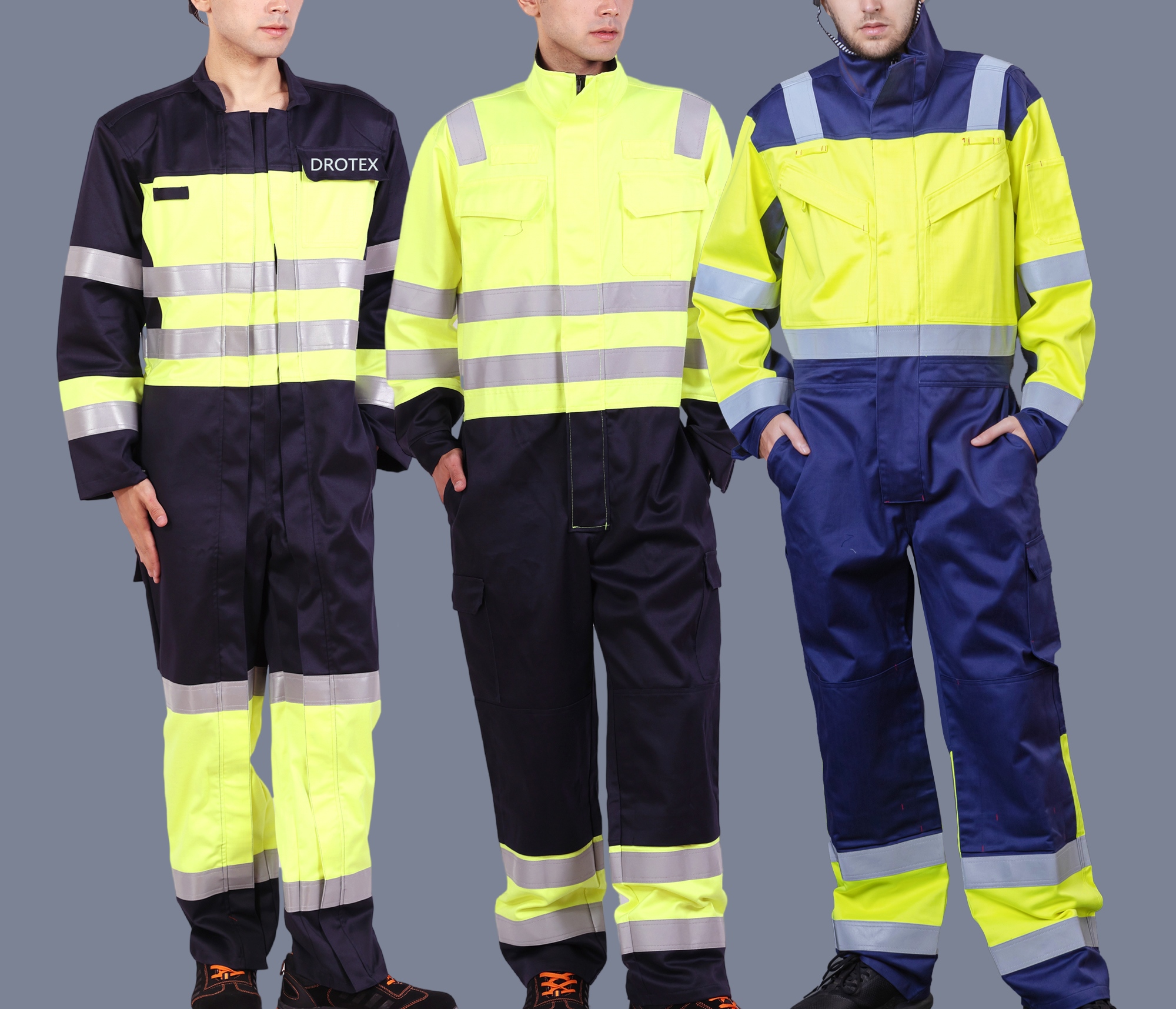
Modern textiles aren't just passive layers—they’re engineered to resist, recover, and outlast. By weaving high-tenacity yarns with advanced polymer matrices, we create fabrics that scoff at abrasion and shrug off punctures. It’s not just about strength on paper; it’s about how a jacket can survive a slide on gravel or a pack can endure years of trail abuse without fraying. Every filament is chosen and aligned to distribute stress, so the whole becomes far more than the sum of its threads.
Toughness is built from the inside out. We manipulate fiber structures at the micron level, introducing controlled imperfections that actually prevent catastrophic failure. Think of it like crumple zones in a car—microscopic sacrificial bonds break first, absorbing energy before the main structure feels the strain. This translates to fabrics that stretch without sagging, bend without weakening, and weather harsh environments while keeping their integrity intact. The result is gear that feels broken in from day one yet won’t break down for years.
But toughness isn’t just brute force. It’s also about smart elasticity and moisture management. These fabrics actively wick sweat and dry fast, preventing the heavy, waterlogged feeling that can lead to chafing. They balance softness against durability, so you forget you’re wearing armor. Whether you’re scaling a rock face or navigating a crowded subway, the textile adapts, flexing with every movement and bouncing back without complaint. This isn’t fabric that simply covers—it performs, protects, and persists.
Cut for the Modern Tradesman: Ergonomic Design Redefined
Forget the one-size-fits-all approach that leaves you fighting your own gear by noon. The new cut ditches boxy, restrictive silhouettes in favor of articulated sleeves and gusseted joints that mirror the way you actually move—reaching overhead, crouching under sinks, or kneeling on concrete. It's not just about adding stretch panels; it's about strategically placing them where they reduce resistance, so a day spent in awkward postures doesn't turn into a week of stiffness.
We took a closer look at how modern tradesmen load their tool belts and the toll that uneven weight distribution takes on the lower back. The result is a redesigned waistband and pocket architecture that shifts the burden to the hips, eliminating hot spots and the constant need to adjust. Deep, reinforced pockets are angled for quick one-handed access to a knife or driver, while hidden seams reduce chafing during repetitive tasks like pipe threading or drywall sanding.
Fabric selection was driven by real job site data—not marketing checklists. The dual-layer knee panels, for example, feature a tough Cordura® exterior bonded to a gel-cushioned inner, allowing you to transition from standing to kneeling without missing a beat. And because no two trades are alike, the fit accommodates layering without bunching, so you stay sharp from the first stud to the last cleanup.
Beyond the Assembly Line: Bespoke Touches for Your Crew
We get it — your crew isn't a set of interchangeable parts. Standard-issue gear might do the job, but it rarely reflects the spirit of the people wearing it. That's where thoughtful customization steps in, turning everyday uniforms into statements of identity and pride. From subtle embroidered accents to full-scale design collaboration, each detail is carefully considered to match your team's vibe. No two groups are alike, so why should their workwear be?
It's not about flashy logos or forced uniformity. It's the small, meaningful decisions — the contrast stitching on a cuff, a hidden message inside a collar, or a color combo that only your crew would recognize. These aren't just clothes; they're a shared language your team puts on every morning. We listen first, then help bring those insider touches to life, making sure the result feels organic, not corporate.
When your crew rolls in wearing something that actually feels like them, the energy shifts. There's a quiet confidence that comes from looking put together as a unit, not just dressed alike. It's the difference between punching in and showing up. That's the heart of it — not chasing trends, just crafting pieces that earn a genuine "hell yeah" from the people who wear them hardest.
Stress-Tested to the Breaking Point (And Then Some)
We didn't just run a few standard benchmarks and call it a day. Our test chambers saw this unit subjected to forces that would make most hardware weep. Temperatures swung from blistering desert heat to sub-zero cold in minutes. Salt fog crept into every seam. Vibrations shook it at frequencies designed to resonate with failure. And we kept pushing, documenting every micro-fracture, every millisecond of signal loss, until the data stream flatlined. Then, we rebuilt it from the wreckage and did it again.
The ‘and then some’ part? That's where creativity meets cruelty. After the spec sheets ran out of guidelines, our engineers invented new ways to torture the design. We cycled the power mid-operation, shorted neighboring circuits, even introduced unexpected voltage spikes while the firmware was updating. It survived what it was rated for, and we learned where it would truly break—often far beyond the advertised limits. Those breaking points weren't just noted; they became blueprints for the next iteration, hardening the weak spots before they could ever become a real-world problem.
You won't find this chaos in the product manual. But you'll feel its absence in every calm moment of operation, knowing that a team of relentless engineers found the edge and then purposely pushed past it, just to be sure yours never will.
From Oil Fields to Skyscrapers: Gear That Goes the Distance
Deep in the oil patch, where grit coats every surface and salt-laden winds test every bolt, only the toughest machinery survives. The same gear that handles the relentless grind of a drilling rig later finds itself hoisting steel beams hundreds of feet above a city street. There’s no room for compromise when a coupling failure could idle a crew of roughnecks or delay a high-rise’s topping out. These components aren’t just built to spec—they’re forged with a stubborn refusal to quit, carrying the scars of one job into the next without a drop in performance.
What sets this equipment apart isn’t a single breakthrough material or a clever coating; it’s an unspoken understanding that every bearing, shaft, and seal might be asked to work in conditions the design manuals never imagined. A winch that pulled pipe through Permian Basin mud on Tuesday might be swinging a curtainwall panel into place on a downtown tower by Friday. That kind of versatility demands more than strength—it requires a kind of instinctive reliability, where everything from the metallurgy to the lubrication system is chosen not for a lab test, but for the messy, unpredictable reality of the field.
In the end, go-anywhere gear doesn’t earn its reputation from spec sheets or controlled tests. It earns it at 4 a.m. when a crew on a remote rig or a windswept jobsite needs that one hydraulic pump to fire up without a hiccup. The machines that bridge oil fields and skylines are the ones that blur the line between heavy industry and precision tooling—where a single misaligned gear tooth can ripple into a safety incident or a budget overrun. That’s why the people who spec this equipment look past the shiny brochures and ask one simple question: will it still be turning long after the job is done?
FAQ
We produce heavy-duty, full-body workwear designed for tough jobs in sectors like manufacturing, construction, and automotive repair. Every suit is built to withstand daily wear and tear while keeping the wearer protected and mobile.
Our main clients are industrial companies, maintenance crews, and safety-conscious employers who need reliable uniforms for their teams. We also get orders from individual mechanics, painters, and DIY enthusiasts looking for something more robust than off-the-shelf options.
We use reinforced stitching at stress points, triple-stitched seams, and heavyweight cotton or blended fabrics that resist tearing. Our suits also feature bartacks on pocket corners and heavy-duty zippers that won’t snag under rough conditions.
Absolutely. You can choose fabric weight, color, pocket configuration, reflective strips, and even add company logos. We’ve made suits for electricians needing non-conductive zippers and welders requiring flame-resistant materials.
Yes, we have a full size range for all body types, including women-specific cuts that adjust the waist-to-hip ratio and sleeve length. No more ill-fitting men’s suits rolled up at the cuffs.
We focus on ergonomic design: pre-shaped elbows, gusseted crotches, and breathable linings. Many of our suits include ventilated back panels and moisture-wicking inner layers—so you stay dry without sacrificing coverage.
Several lines use organic cotton and recycled polyester blends. We’re phasing out harmful chemical finishes and offer a take-back program for worn-out suits to be reprocessed into new fabric.
For standard models, 500 units can ship within 3–4 weeks. Custom orders with special materials or embroidery might take 6–8 weeks. We always keep a stock of popular sizes for rush requests.
Conclusion
Walk into our factory and you'll hear the hum of machines built for one purpose: turning raw fabric into a shield. Every seam is double-stitched, every stress point reinforced with bartacks that can withstand thousands of pounds of tension. We source materials that are as tough as they are clever—canvas with ripstop grids to halt tears, denim blended with aramid fibers for heat resistance, and coatings that repel oil and water without making the fabric stiff. But we know that work isn't static. That's why our designs mirror the human body in motion. Knee pads are pre-shaped, elbows are articulated, and the waistband doesn't dig in when you crouch. It's clothing that moves with you, not against you—whether you're under a sink or up on scaffolding.
Before any boiler suit leaves our doors, we treat it like it's going into battle. Fabrics are dragged across concrete, seams are pulled apart by hydraulic rigs, and zippers are cycled thousands of times. We even freeze them and then throw them against walls to check for brittleness. But durability doesn't mean one-size-fits-all. For crews, we offer customization that goes beyond a logo: extra tool pockets for carpenters, flame-resistant layers for welders, reflective strips for night work. These aren't just clothes; they're a toolkit you wear. From the grit of oil rigs to the precision of high-rise construction, our gear has earned its reputation by outlasting the toughest shifts, day after day.
Contact Us
Contact Person: Sandy
Email: [email protected]
Tel/WhatsApp: 86150 8310 5120
Website: https://www.frdrotex.com