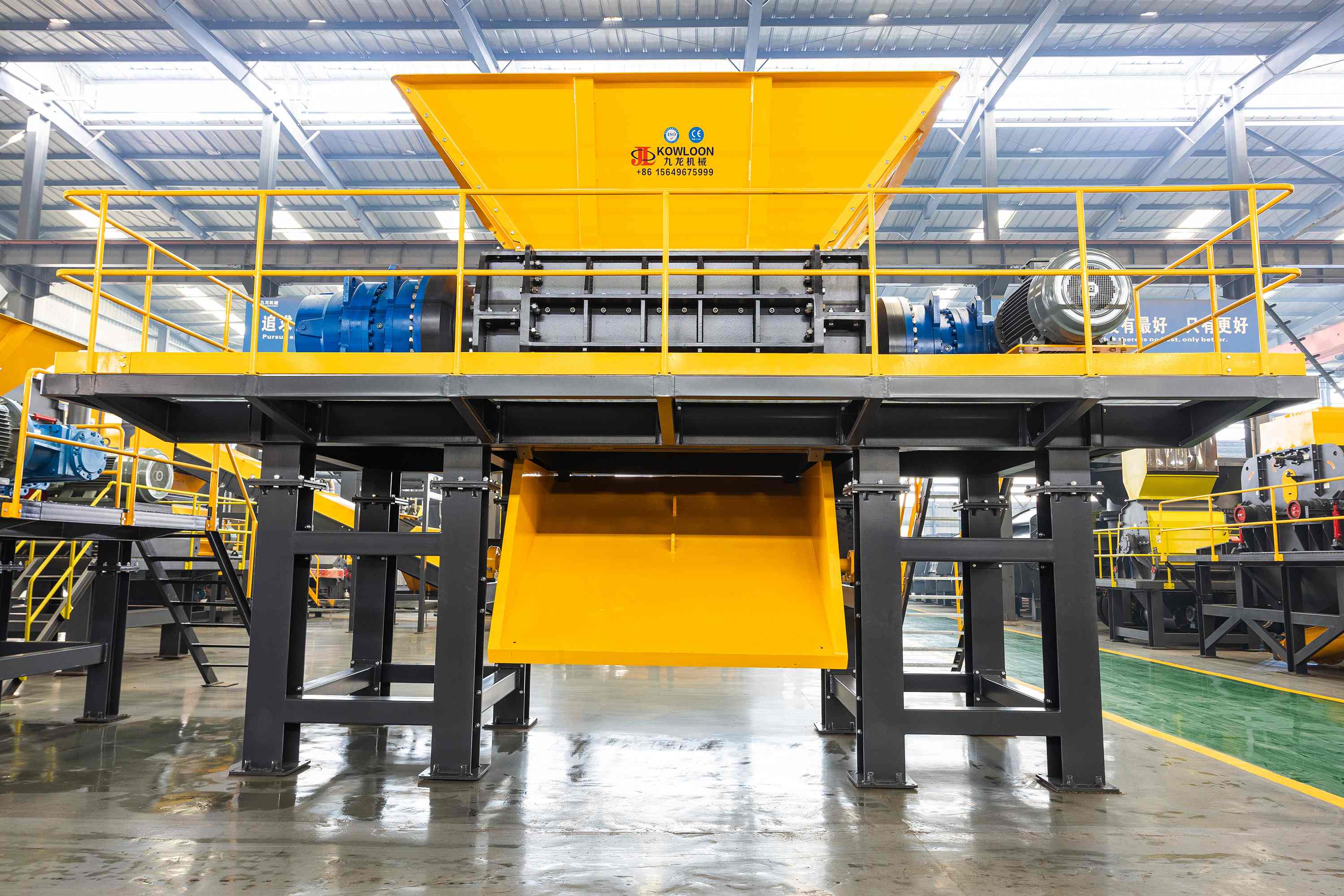

Biomass Shredder Supplier: Your Ultimate Guide to Sustainable Waste Solutions
2026-04-22
As the world grapples with the mounting challenge of waste management, sustainable solutions are no longer a luxury—they’re a necessity. In this ultimate guide, we dive deep into the transformative role of biomass shredders in turning organic waste into valuable resources. Whether you’re a business owner looking to reduce your environmental footprint or an industry professional seeking efficient waste processing methods, this blog will shed light on how the right equipment can make all the difference. At the heart of this discussion is Kowloon Machinery, a leading supplier dedicated to pioneering eco-friendly innovations that not only meet but exceed industry standards. Get ready to explore cutting-edge technology, practical insights, and actionable tips that will inspire you to rethink waste as an opportunity. Let’s embark on this journey toward a greener, more sustainable future—where every shred counts.
Choosing the Right Biomass Shredder for Your Operations
Finding the perfect biomass shredder isn't a one-size-fits-all task. It's about matching the machine to your specific materials and operational goals. Are you processing wood chips, agricultural residues, or perhaps municipal green waste? The moisture content, density, and hardness of your biomass directly impact which shredder will perform best. A mismatch can lead to excessive wear, frequent jams, or inefficient particle size output, turning a productivity tool into a costly bottleneck.
Beyond material characteristics, consider your facility's throughput requirements and desired end-product. High-volume operations might lean toward robust, continuous-feed industrial shredders with higher horsepower and automated systems. For smaller-scale or batch processing, a versatile slow-speed shredder with adjustable screens could offer better control over particle consistency. Remember, the goal isn't just to shred—it's to create biomass that's optimally prepared for downstream processes like composting, pelletizing, or energy conversion.
Don't overlook practical factors like maintenance accessibility, noise levels, and safety features. A shredder that's easy to service reduces downtime, while built-in safety mechanisms protect your team. Consulting with experts who understand both machinery and biomass variability can provide insights beyond spec sheets. Your ideal shredder should seamlessly integrate into your workflow, enhancing efficiency without compromising on reliability or safety.
How Biomass Shredders Enhance Sustainability in Waste Management
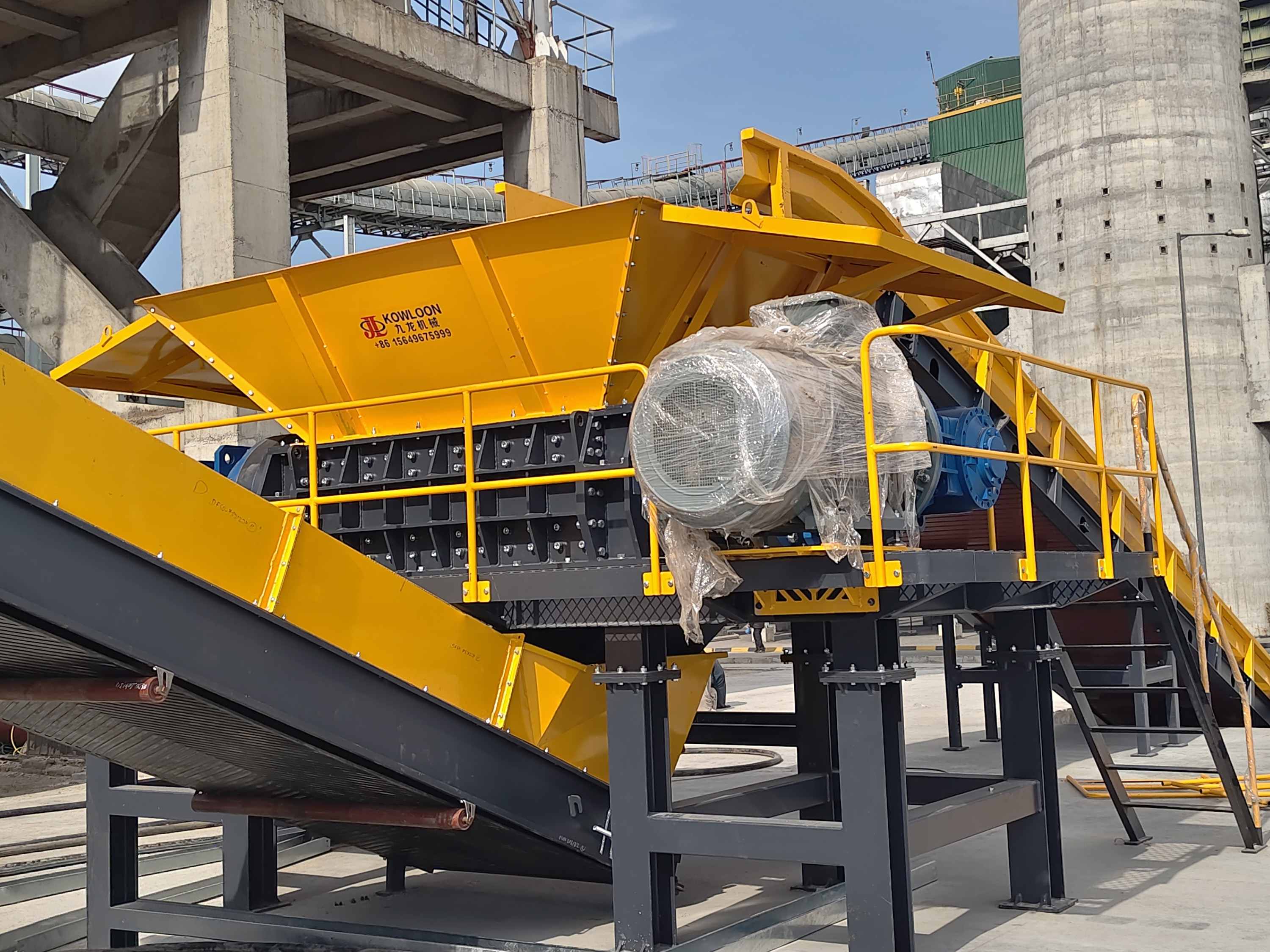
Biomass shredders transform organic waste into reusable resources by breaking down materials like yard trimmings, agricultural residues, and food scraps into uniform particles. This preprocessing step accelerates decomposition in composting facilities, reducing the time needed to produce nutrient-rich soil amendments. By diverting biomass from landfills, these machines cut methane emissions—a potent greenhouse gas—and help communities meet waste reduction targets more efficiently, turning what was once considered trash into valuable inputs for sustainable agriculture and energy production.
Beyond composting, shredded biomass serves as a feedstock for bioenergy generation, such as in anaerobic digesters or biomass-fired power plants. The uniform size and increased surface area from shredding improve the efficiency of these processes, leading to higher biogas yields or more consistent combustion. This not only provides a renewable energy source but also reduces reliance on fossil fuels, contributing to a circular economy where waste streams are repurposed to power homes, industries, or even local farms, thereby closing the loop on resource use.
In waste management operations, biomass shredders enhance sustainability by lowering transportation and handling costs. By volume-reducing organic waste on-site, they minimize the number of trips needed to haul materials, cutting fuel consumption and associated carbon emissions. Additionally, the shredded material is easier to store and process, allowing for more flexible and decentralized waste management strategies. This adaptability supports greener practices, from urban composting initiatives to rural biofuel projects, fostering resilience against environmental challenges while promoting economic and ecological benefits.
Key Features to Look for in a Reliable Biomass Shredder Supplier
When searching for a reliable biomass shredder supplier, it's essential to dive into their operational history and industry reputation. Instead of just checking years in business, look at real-world feedback from customers handling similar materials, like agricultural residues or wood waste. A stand-out supplier won't just tout certifications; they'll share case studies or testimonials that showcase problem-solving under varied conditions, whether it's high moisture content or abrasive feedstocks. This genuine focus on practical experience helps you gauge their adaptability and commitment to quality beyond generic claims.
Technical expertise is another critical area where top suppliers shine. Rather than offering one-size-fits-all solutions, they invest time in understanding your specific processing needs, such as desired particle size or throughput rates. Ask about their in-house engineering team and how they customize shredders—like adjusting rotor designs or incorporating safety features for volatile biomass. Suppliers who can explain complex mechanisms in plain English, without relying on jargon-heavy sales pitches, demonstrate deeper knowledge and a customer-centric approach that sets them apart from competitors.
Don't overlook after-sales support; reliable suppliers ensure your operations run smoothly long after installation. Look for those who provide comprehensive maintenance plans and readily available spare parts, rather than just a basic warranty. For instance, some offer remote monitoring services to preemptively address wear and tear in shredder components. By prioritizing suppliers who build lasting partnerships through proactive support, you'll reduce downtime and enhance efficiency in your biomass processing chain, making your investment more secure and productive over time.
Real-World Applications of Biomass Shredders Across Industries
Biomass shredders are increasingly vital in sectors like agriculture and forestry, where they process crop residues, wood waste, and other organic materials into manageable pieces. For instance, in farming, shredders help transform leftover stalks and husks into feedstock for compost or bioenergy, reducing waste and supporting sustainable practices. This versatility allows industries to repurpose by-products that would otherwise be discarded, contributing to both efficiency and environmental goals.
Beyond traditional uses, these machines play a key role in emerging areas such as waste management and biofuel production. In municipal settings, they handle garden clippings and food scraps, facilitating composting programs that divert organic waste from landfills. For energy companies, shredders prepare biomass like wood chips for conversion into pellets or biogas, offering a renewable alternative to fossil fuels and helping meet global carbon reduction targets through practical, scalable solutions.
In specialized industries, biomass shredders adapt to unique challenges, from processing bamboo for construction materials to shredding algae for bioplastics research. Their ability to handle diverse feedstocks with varying moisture levels and hardness makes them indispensable tools, driving innovation across sectors while minimizing environmental impact. By bridging gaps between raw materials and end-use applications, these machines underscore their broad utility in today's economy.
Maintenance Tips to Extend Your Biomass Shredder's Lifespan
Regular upkeep is key to getting the most out of your biomass shredder. Start by routinely checking the cutting blades for wear and tear; dull blades can put extra strain on the motor and lead to inefficiencies. Clean out any residual biomass after each use to prevent buildup, which might cause jams or corrosion, especially in moist environments. A quick inspection of belts and bolts every few weeks can catch loose parts before they become bigger issues.
Don't overlook lubrication as a simple yet effective step. Apply the manufacturer-recommended grease to moving parts like bearings and shafts at scheduled intervals to reduce friction and heat. This not only smooths operation but also minimizes premature wear. Keep an eye on the shredder's electrical components, ensuring connections are tight and free of debris, as electrical faults can shorten the machine's service life unexpectedly.
Adapt your maintenance routine based on usage intensity; heavy-duty shredding may require more frequent checks. Consider logging your inspections to track patterns and spot recurring problems early, helping you make informed adjustments. By integrating these habits, you'll help ensure your shredder remains reliable and efficient for years, saving on repair costs and downtime in the long run.
The Future of Biomass Shredding Technology and Innovations
As the demand for renewable energy and sustainable waste management grows, biomass shredding technology is poised for significant advancements. Innovations are focusing on improving efficiency and reducing energy consumption, with developments in smart shredders that use AI and IoT to optimize throughput and adapt to different biomass types. These systems not only enhance operational performance but also minimize downtime through predictive maintenance, making biomass processing more cost-effective and environmentally friendly.
Future trends include the integration of advanced materials and modular designs, allowing shredders to handle a wider range of biomass feedstocks, from agricultural residues to industrial by-products. This flexibility supports circular economy models, turning waste into valuable resources like biochar or biofuels. With ongoing research into blade technology and automation, the industry is moving towards quieter, safer, and more precise shredding solutions that cater to diverse applications.
Moreover, emerging innovations are exploring eco-friendly shredding methods, such as using renewable energy sources to power equipment or developing biodegradable components to reduce environmental impact. As global policies push for greener practices, biomass shredding is set to play a key role in sustainable development, with continuous improvements driving efficiency and fostering new market opportunities in the years ahead.
FAQ
A biomass shredder is a specialized machine designed to break down organic materials like agricultural residues, wood waste, and other plant-based matter into smaller pieces. It operates using high-speed rotating blades or hammers to shred the biomass, enhancing its surface area for more efficient processing in applications such as composting, biofuel production, or energy generation.
Investing in a biomass shredder from a reliable supplier offers significant advantages, including reduced waste disposal costs and enhanced sustainability efforts. Suppliers often provide customized solutions that match specific operational needs, ensuring optimal performance and durability while helping companies meet environmental regulations and improve their green credentials.
Biomass shredders are versatile and can handle a wide range of organic materials, such as crop residues like straw and corn stalks, forestry waste including branches and logs, municipal green waste, and even certain types of food waste. This flexibility makes them suitable for various industries from agriculture to waste management.
Selecting the right supplier involves evaluating factors like their experience in the industry, the quality and durability of their equipment, after-sales support including maintenance and spare parts, and their ability to offer tailored solutions. It's also wise to check customer reviews and case studies to ensure reliability and customer satisfaction.
Yes, biomass shredders play a key role in renewable energy production by preparing organic waste for conversion into biofuels or for use in biomass power plants. By shredding materials into uniform sizes, they facilitate more efficient combustion or anaerobic digestion, leading to higher energy yields and reduced reliance on fossil fuels.
Regular maintenance is essential for keeping a biomass shredder efficient and extending its lifespan. This includes routine inspections of blades or hammers for wear, cleaning to prevent material buildup, lubrication of moving parts, and timely replacement of worn components. Following the supplier's guidelines helps minimize downtime and operational costs.
Using biomass shredders offers several environmental benefits, such as reducing landfill waste by converting organic materials into useful products, lowering greenhouse gas emissions from decomposition, and supporting circular economy practices by turning waste into resources like compost or energy.
Conclusion
Navigating the world of biomass shredder suppliers requires a strategic approach to selecting equipment that aligns with your operational needs and sustainability goals. Whether you're processing agricultural residues, forestry waste, or industrial by-products, choosing the right biomass shredder involves evaluating factors like throughput capacity, material compatibility, and energy efficiency to ensure optimal performance and minimal downtime. A reliable supplier not only offers machines with key features such as robust construction, advanced safety mechanisms, and customizable designs but also provides expert guidance on maintenance practices to extend the shredder's lifespan, ultimately enhancing waste management efficiency and reducing environmental impact.
Biomass shredders play a pivotal role in advancing sustainable waste solutions by converting organic waste into valuable resources like biofuel, compost, or raw materials for manufacturing. Their real-world applications span diverse industries, from agriculture and forestry to energy production and municipal waste handling, fostering circular economy models. As technology evolves, innovations in shredding mechanisms, automation, and eco-friendly materials are shaping the future, making it essential to stay informed about trends. By partnering with a knowledgeable supplier, businesses can leverage these advancements to transform waste streams into opportunities for growth and ecological stewardship, ensuring long-term viability in a resource-conscious world.
Contact Us
Contact Person: Ray
Email: [email protected]
Tel/WhatsApp: +86 13733817580
Website: https://www.zzkowloon.com/