

Best Three-Phase Asynchronous Motor Factory: What Makes a Manufacturer Stand Out
2026-11-19
Most buyers assume all three-phase asynchronous motors are built the same—until a critical load reveals the difference. The factories worth shortlisting share a few traits that never show up on a generic datasheet: consistent winding quality, honest material sourcing, and production discipline when orders scale. Chuangjuman is one name that keeps surfacing in those conversations, not because of marketing noise, but because the details hold up under inspection. This post breaks down the signs of a standout manufacturer—and why they matter before you commit to a supply decision.
The Winding Room Sets the Real Quality Baseline
Most defects that survive carding, drawing, and roving become impossible to hide once the yarn reaches the winding room. Here the package is rebuilt under controlled tension, and every weak point, thick place, or thin place gets a second look. If the clearing settings are too loose, downstream processes inherit the problem; if they are too aggressive, good yarn is wasted and production slows. The winding room is therefore not just a cleanup stage, it is where the true quality ceiling is set.
A reliable splice matters just as much as the clearer curve. A poorly formed joint creates a hard spot that can break later in weaving or knitting, and repeated splices on the same package often signal an upstream flaw that should have been corrected earlier. Operators who watch splice frequency and clearer cuts together get a much earlier warning than any lab test can provide. That feedback turns winding into a diagnostic station, not a patch-up line.
Tension control during package build-up has an underrated influence on fabric appearance and unwinding performance. Uneven winding tension can produce soft shoulders or over-tight layers that distort the yarn and affect dye uptake. When the winding room maintains consistent density, the final package performs predictably at high speed. In practical terms, winding room performance is the last chance to set a realistic standard before the yarn enters fabric production.
Traceable Steel and Copper, Not Just a Paper Claim
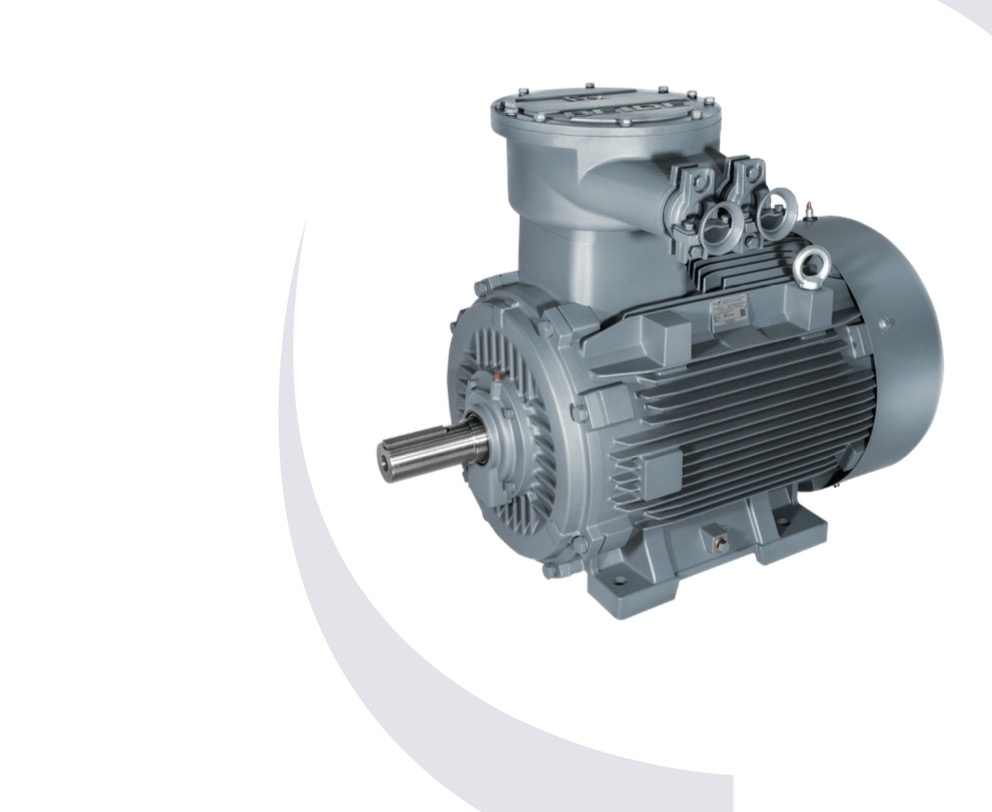
Traceability in steel and copper often stops at a certificate that names a mill or smelter but says little about the physical path the material actually took. A more grounded approach ties each delivered batch to specific heat numbers, coil IDs, or cathode bundles, along with dated transfer records and inspection notes. That turns a generic compliance statement into something a warehouse worker or quality engineer can check against the metal itself.
On the shop floor, the difference shows up in small but telling details: tags that survive cutting, barcode scans at each handoff, or mill test reports that match the stamped numbers on the product. Some suppliers also keep retained samples from the same heat or lot so a disputed shipment can be compared with its original chemistry and mechanical properties instead of relying on a filed document alone.
For buyers, this level of visibility matters because it narrows the gap between what a supplier promises and what can be confirmed after delivery. When an audit request can be answered with a clear chain of custody, including the origin of scrap or ore, the processing date, and the people who signed off at each stage, the phrase “responsibly sourced” starts to hold weight. Without that trail, even the most polished documentation remains closer to a paper claim than to proof.
A Test Bench That Runs Hotter Than Your Application
Most thermal validation setups keep the board near a comfortable operating point and call it done. This bench does the opposite. Ambient temperature, airflow restriction, and sustained load are all pushed past the levels the application will ever reach in normal use. That gap is deliberate, because a test bench that runs hotter than the product leaves the safety margin where it belongs: in the design, not in the test plan.
The extra heat soak does more than confirm a datasheet number. It forces weak solder joints, drifting voltage references, and marginal timing paths to show up as repeatable failures instead of rare field complaints. Boards that pass here have already operated beyond their expected thermal envelope, so the real application becomes the easier case.
This approach can look like overkill on a schedule, but it usually shortens debug time. Intermittent thermal faults turn into consistent, observable events that can be fixed before release rather than chased through customer returns.
Rotor Balancing as a Factory Habit, Not an Option
Rotor balancing rarely starts as a written policy. It begins when a maintenance technician notices a slight vibration in a motor that nobody else has flagged, stops the line for ten minutes, and makes the correction before it becomes a bearing failure. The habit forms not from a corporate memo, but from seeing the cost of waiting: a scored shaft, a cracked housing, a delivery missed because the spare part was not on the shelf.
Once balancing becomes part of the routine, it changes how operators listen to equipment. They stop dismissing a faint buzz as “normal for this machine” and start checking runout during scheduled downtime instead of after a breakdown. The balancing stand stays close to the assembly area, not locked in a tool crib, so the decision to check a rotor feels as ordinary as topping up oil. Over time, that small shift eliminates the most expensive balancing job: the emergency one.
The real difference between factories that treat balancing as an option and those that treat it as a habit shows up in the details—fewer unexplained noise complaints, longer intervals between bearing replacements, and a calmer morning shift that does not begin with a work order already behind schedule. It is not about having better instruments. It is about never giving the rotor a chance to tell you it was out of balance all along.
From Standard Frame to True Custom Without the Wait
Most people assume a true custom frame means filling out a long order form, waiting weeks, and paying a premium for the privilege. That gap between off-the-shelf and made-from-scratch is exactly what we removed. Common mouldings, matboards, and glazing stay in stock, and cutting and assembly happen in our own workshop, so the finished piece lands in your hands days later rather than months.
The difference comes from treating standard components as a starting point instead of a limitation. Dimensions can be adjusted down to the eighth of an inch, and the details that usually lock you into a fixed look such as mat width, frame depth, finish, and glass type are all open to change. You get the precision of a custom build without starting from a blank page every time.
What disappears is not the craft but the friction that usually surrounds it. No chasing approvals through long email threads, no settling for a size that almost works. Bring the artwork or the dimensions, pick the materials that suit the piece, and the rest is handled in one tight turnaround. It is custom in the way that matters: made to fit, finished by hand, and ready before the moment passes.
Support That Does Not End at the Loading Dock
Once a trailer is unloaded and signed for, most support lines go quiet. Ours does not. The paperwork, the missing box, the bent bracket that only shows up during assembly—those are the moments we stay on the phone or send someone over. Your receiving team can reach a person who knows the order, not a scripted call queue.
That attention carries into the weeks after delivery. A storage system might need re-leveling once it bears real weight. A packaging change can make a previously reliable carton fail. We follow up before those small issues become expensive ones, keeping spare parts local and showing up to inspect the equipment in use. The handoff matters less than the weeks that follow.
FAQ
It usually comes down to how seriously the plant treats rotor balancing and winding consistency. A standout factory will have inline testing at multiple stages, not just a final spin-up before shipping. You can often hear the difference in a motor that has been dynamically balanced properly.
The difference is often in the lamination steel and how tightly the stator cores are stacked. Better factories use low-loss silicon steel and apply consistent pressure during stacking, which reduces eddy current losses. Small improvements there lower temperature rise more than many people expect.
It depends on the application, but a factory that knows its trade will not push one material blindly. Copper rotors can improve efficiency in some designs, yet a well-built aluminum rotor with optimized slot geometry can perform just as well for many standard duties. The real advantage is a manufacturer that offers both and explains the trade-offs honestly.
A strong QC system catches problems before they become field failures. This includes surge testing, hipot testing, and locked-rotor checks on a sample basis, plus full traceability of bearing batches and insulation materials. When that discipline is consistent, the motors tend to survive ugly operating conditions longer.
Certifications are a starting point, not the whole story. A plant can hold all the right paperwork and still cut corners on varnish curing or bearing fit. It is more telling to visit the floor, watch how they handle rework, and ask about their scrap rate and warranty return data.
Look for a factory that asks about the driven load, starting torque, ambient temperature, and duty cycle before quoting. The best ones modify frames, windings, or cooling arrangements around the actual application instead of just changing the nameplate. That kind of engineering conversation usually predicts a better outcome than a quick price sheet.
It starts with precise machining of the frame and end bells so the bearing seats align perfectly. Then careful rotor balancing and controlled air gap uniformity do the rest. Factories that invest in CNC machining and in-process measurement typically produce quieter motors without charging a premium.
Some factories stock raw laminations and common shaft sizes, while others start from scratch after the order arrives. The shorter lead times generally come from standardized internal components and good production planning, not from rushing assembly. A dependable manufacturer will give a realistic date and stick to it.
Conclusion
Walk into a strong three-phase asynchronous motor plant and the first thing worth checking is not the final assembly line but the winding room. That is where insulation placement, slot fill, and end-turn shaping quietly decide whether a motor will survive years of thermal cycling or begin developing weak points within months. From there, the difference continues in the material chain. A standout factory treats steel and copper as traceable inputs rather than commodities, knowing the exact mill heat and batch for each lamination and conductor. That traceability is not a certificate hanging on a wall; it becomes actionable when a process drifts or a customer question arises. The same practical mindset shows up on the test bench. Instead of running only nameplate checks, the best manufacturers push machines at elevated temperatures and duty cycles that mimic or exceed real field conditions, so a marginal design fails at the factory rather than on a customer's floor. Rotor balancing gets the same treatment: it is treated as a routine operation with documented correction limits, not an extra service someone has to remember to request.
Beyond the build itself, a manufacturer stands out when it can move between standard catalog frames and genuine custom requirements without making the customer wait through endless engineering approvals. That speed comes from keeping modular lamination sets, shaft options, mounting patterns, and winding data under control, so changes in voltage, cooling, or enclosure do not trigger a full redesign from scratch. Just as important is what happens after the motor leaves the loading dock. A reliable partner provides commissioning guidance, replacement parts, and technical contact that remains available when the application changes or when a drive introduces unexpected harmonics. That kind of support turns a one-time purchase into a working relationship, and it is often the clearest sign that the factory understands its motors will be judged not by a catalog photo but by how they perform months and years after installation.
Contact Us
Contact Person: Jony
Email: [email protected]
Tel/WhatsApp: 086-0571-86161808
Website: https://en.hzcjm.com/