

Best PE Protective Film Company: How to Find the Right One for Your Business
2026-05-26
Choosing the right PE protective film partner can make or break your production line’s efficiency and product quality. In a market crowded with generic suppliers, finding a manufacturer that truly understands your material, adhesion, and durability requirements is a challenge. Shire has been quietly redefining what businesses should expect from a protective film company—by tailoring solutions that go beyond the roll. This guide cuts through the noise to help you pinpoint the qualities that matter most.
Matching Film Properties to Your Product's Lifecycle
Every product goes through distinct stages, each demanding something different from its packaging. During launch, the film needs to grab attention and convey premium quality, often with high clarity and crisp printability. As the product establishes itself, focus shifts to cost efficiency without sacrificing the user experience—easy-open features or resealability might become essential for daily convenience. When a product reaches maturity, durability and consistent performance on high-speed packaging lines keep operations smooth and waste low.
The protective requirements of a film can change dramatically between distribution and end use. A snack bag may only need moisture and oxygen barriers stable enough for a few months on store shelves, but a cleaning product stored under a sink for a year faces a different reality. Films with specialized layers that activate only when needed—like anti-fog for refrigerated displays or UV blockers for light-sensitive formulas—ensure shelf presence without over-engineering the package.
End-of-life considerations are now part of the lifecycle puzzle regardless of the product category. A film that protects a perishable item beautifully in transit might be problematic if it cannot integrate into existing recycling streams. Lightweight mono-material structures that still hit tough barrier targets allow brands to meet sustainability pledges without compromising protection, aligning with the product's full journey from factory floor to consumer recycling bin.
Beyond the Spec Sheet: Spotting Subpar Materials Early
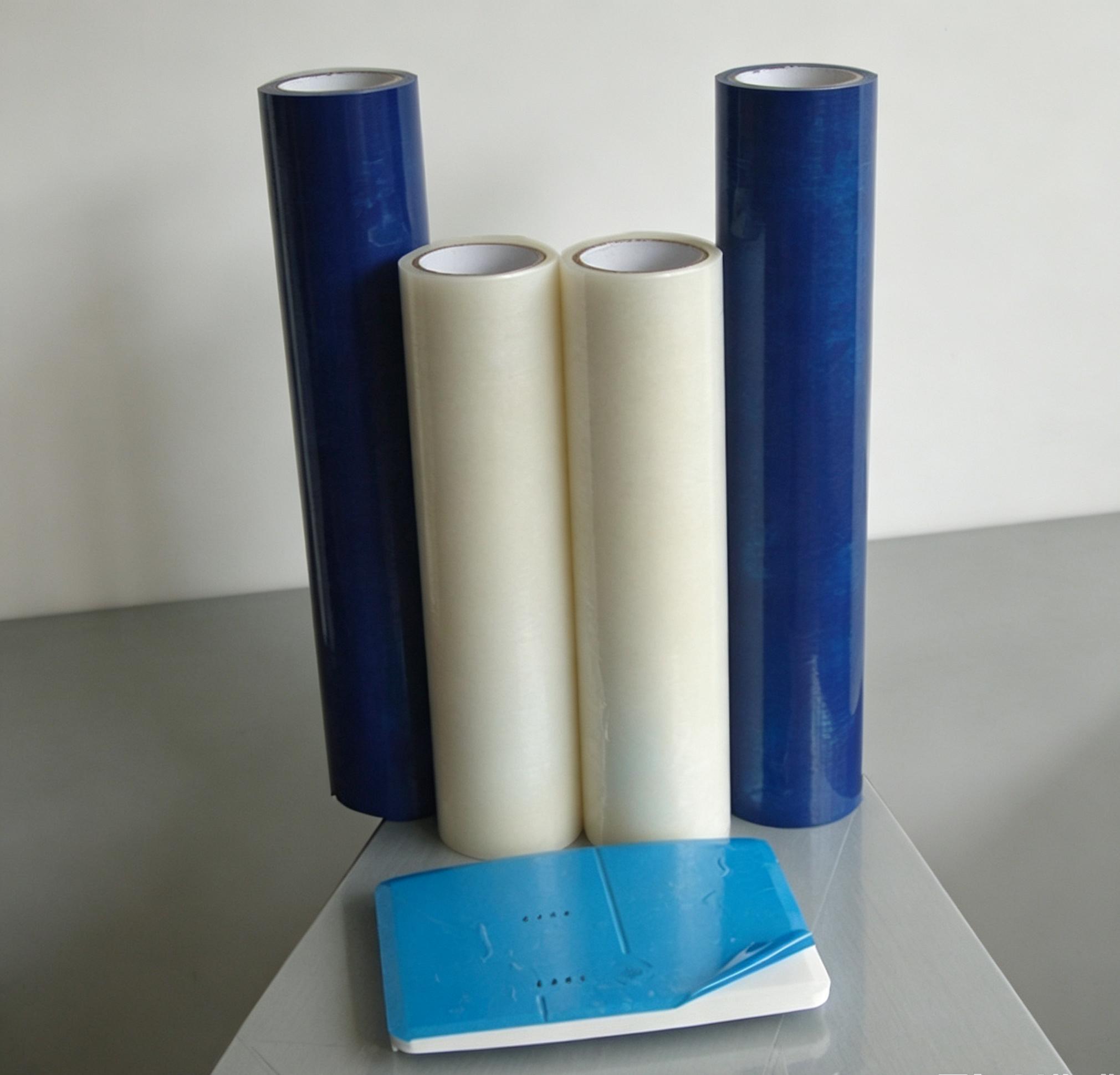
Most procurement teams live and die by the spec sheet. It lists tensile strength, density, and compliance marks, promising a product that meets requirements. But reality tells a different story. A polymer might pass a lab test for impact resistance, only to become brittle after six months of thermal cycling. The spec sheet didn't mention poor UV stabilizers or recycled content that weakened the blend. Early detection starts with ignoring the shiny data and asking uncomfortable questions: How does this material behave at the edges of its claimed tolerances? Have there been supply chain shortcuts? A quick audit of the manufacturer's raw material sourcing often reveals more than a thousand lab reports.
Visual clues are rarely in the documentation. Run a thumbnail across a plastic enclosure—does it mark too easily? Sniff the rubber seal; a sharp chemical odor can signal cheap plasticizers that will leach out, leaving the part cracked. These informal checks cost nothing and take seconds. When a supplier sends samples, throw them into a freeze-thaw cycle in a home freezer, or leave one on a sunny windowsill for a week. Warped or faded samples are a loud warning. One engineer I know keeps a small tungsten carbide scribe in his pocket: a discreet scratch on a hidden surface quickly separates hardened tool steel from case-hardened mild steel that will wear out after a few thousand cycles.
The most reliable detector is the factory floor itself. A visit to the injection molding line might reveal regrind bins sitting open, suggesting more recycled scrap enters the mix than advertised. Talk to the operators, not the sales team—they'll often admit which batches caused tool wear or rejected parts. And if visiting isn't feasible, asking for a first-article inspection report that includes cross-sectional micrographs is worth its weight in gold. Voids, uneven filler distribution, and contamination are all visible before they become field failures. Getting past the spec sheet means trusting your senses, your own testing, and the unscripted comments of those who actually touch the material daily.
Tailoring Solutions: When Off-the-Shelf Films Fall Short
Mass-produced films rarely account for the subtle demands of complex applications. A standard polyethylene layer might provide an adequate moisture barrier, but what about the need for selective gas permeability in fresh produce packaging? The mismatch can lead to premature spoilage or wasted material. Custom formulations step in to bridge that gap, tuning thickness, clarity, and seal strength to align with a product's actual lifecycle rather than a supplier's generic spec sheet.
The real cost of settling for off-the-shelf films surfaces in production line inefficiencies. Films that curl under heat, jam in form-fill-seal machines, or demand constant recalibration eat into margins that procurement teams rarely anticipate. Tailored solutions factor in your machinery's quirks from the outset, adjusting slip coefficients and thermal resistance so that throughput stays consistent. It’s not about reinventing the wheel—it’s about designing the film to match how your equipment actually runs.
Beyond machine compatibility, tailored films open avenues for brand differentiation that stock options simply can’t offer. Imagine a matte finish that resists fingerprints on a cosmetic pouch, or a compostable barrier that meets your region’s upcoming regulations without compromising shelf appeal. Engineers work directly with your team to prototype until the hand feel, print adhesion, and puncture resistance align with the narrative you want to convey on the shelf.
The Human Element: Gauging Supplier Responsiveness and Know-How
Beyond the spreadsheets and formal proposals, the real pulse of a supplier often reveals itself in simple, unscripted interactions. How quickly do they return a call when a shipment is delayed by a snowstorm? Do they proactively suggest a material substitution that could save both time and money without being asked? These moments matter far more than any polished pitch deck. A supplier’s genuine enthusiasm for solving problems—rather than just ticking boxes—is something you can feel in a five‑minute phone conversation. It’s the difference between a vendor who recites a script and a partner who leans into the challenge with curiosity and ownership.
Technical know‑how isn’t just about having the right certifications on the wall. It shows up when an engineer on their side sketches a quick diagram on a shared whiteboard to explain why a particular tolerance won’t hold, or when a quality manager recalls a similar failure from three years ago and already has a fix in mind. This embedded knowledge can’t be faked or fast‑tracked. Watching a supplier’s team navigate an unexpected hiccup during a factory tour—seeing how they diagnose, adapt, and communicate in real time—offers a window into their true capability. In those moments, you’re not just evaluating a supplier; you’re witnessing the kind of experience that only comes from years of hands‑on work and a culture that encourages people to think, not just follow orders.
Total Cost of Ownership: Unmasking Hidden Supply Costs
Many procurement teams fixate on the unit price listed in a supplier's quote, believing they’ve secured a good deal. But the actual drain on resources often lurks in places that never appear on an invoice—rushed freight charges because a shipment arrived late, overtime pay for staff reworking defective components, or the capital tied up in safety stock you’re forced to hold due to unpredictable lead times. These buried expenses quietly erode margins, making that upfront cost figure almost irrelevant over the lifecycle of a purchase.
Think about the administrative hours lost to managing a vendor who consistently mislabels shipments or requires endless follow-ups. Consider the reputational damage when a critical part fails in the field because the supplier cut corners on materials. Even routine aspects like warehousing and internal handling add layers of cost that traditional accounting rarely attributes to a specific supplier. Without a structured way to surface these, companies end up rewarding low-bid vendors who are actually their most expensive partners.
Building a total cost map changes the equation entirely. By tracking freight, quality failures, inventory expenses, and transaction overhead against each supplier, you turn abstract hidden costs into concrete numbers. This shift doesn’t just help you renegotiate—it reshapes your entire sourcing logic. You stop being surprised by ballooning budgets and start selecting partners whose operational DNA aligns with your bottom line from day one.
Reputation Red Flags: What Client Stories Actually Reveal
When clients describe a company as "difficult to reach" or mention that promises were routinely broken, these aren’t just isolated complaints—they’re symptoms of deeper organizational issues. Repeated mentions of poor communication across multiple reviews often point to a culture that undervalues transparency. I’ve seen patterns where teams that ignore client feedback eventually face a cascade of negative stories, each one peeling back another layer of dysfunction. These narratives can reveal whether a business truly listens or simply goes through the motions of customer service.
Client anecdotes about inconsistent quality or sudden staff turnover can signal instability that isn’t obvious from polished marketing materials. For instance, when three separate accounts describe abrupt project handoffs with no explanation, it’s rarely coincidental. What stands out is how these stories cluster around specific periods, painting a timeline of internal chaos that management may try to obscure. The raw emotion in these accounts—frustration, disappointment, or even anger—often communicates more than the factual details alone.
Perhaps most telling are the stories that go beyond surface grievances to hint at ethical lapses. When a client casually mentions being billed for hours that don’t align with delivered work, or notes evasiveness in addressing simple questions, these aren’t just minor irritants. They’re potential indicators of a company willing to cut corners, and over time, multiple similar stories build a mosaic that’s hard to dismiss. Reading between the lines of client experiences can expose a pattern of behavior that formal statements and polished replies actively deny.
FAQ
Look beyond just price. Consider their production capacity, lead times, and ability to handle your volume consistently. Material expertise matters too—do they offer films with the right adhesion levels, clarity, and durability for your specific surface? Ask about their quality control process and whether they can provide samples or test rolls before you commit. It’s also worth checking if they have experience in your industry, as that often translates to better product recommendations and fewer trial runs.
Always request physical samples and test them on your actual product surfaces under realistic conditions. Pay attention to how the film applies, whether it leaves residue after removal, and how it holds up during storage or transport. Check for consistent thickness, uniform clarity, and reliable adhesion across different temperatures. A trustworthy supplier won’t hesitate to send samples and discuss test results openly—if they seem evasive, that’s a red flag.
Absolutely, the right partner can suggest custom slit widths or roll lengths that match your exact equipment, minimizing offcuts. Some manufacturers offer precision slitting and just-in-time delivery, which keeps your inventory fresh and reduces the risk of spoilage. They might also recommend a different film formulation that applies more efficiently, cutting down on labor time and rejects. The key is to discuss your waste pain points early so they can tailor a solution.
It’s often the subtle things: a genuine understanding of your industry’s challenges, a willingness to co-develop a custom layer of protection rather than pushing a stock product, and transparency in their production process. Companies that invest in R&D and maintain robust in-house testing facilities typically deliver more consistent quality. Responsive communication—like having a real person you can call when something goes off-track—also sets them apart from faceless suppliers.
That depends on your priorities. Local suppliers usually mean shorter lead times, easier face-to-face visits, and quicker issue resolution. Overseas options might offer lower cost but can introduce logistics complexity, longer transit times, and potential communication hurdles. If you need tight quality control or frequent adjustments, staying local often pays off. For high-volume, stable specifications, a reputable overseas partner with a proven track record can work well.
It’s critical if you’re dealing with non-standard surfaces, unusual shapes, or specific performance requirements like UV resistance or anti-static properties. A supplier that can tweak adhesive tack, film thickness, or even the liner type gives you a competitive edge. Mass-produced films might be cheaper, but they rarely optimize your protection or application speed. The real value comes from a partner who treats your product as a unique project rather than another batch to push out.
Ask whether they offer films for smooth and textured surfaces alike, and if they have options for different removal conditions—like clean peel after heat exposure. Inquire about specialty variants: low-VOC, flame-retardant, or printable surfaces. It’s also smart to ask what levels of adhesion they can dial in, and if they provide technical data sheets for each grade. Their answers will reveal whether they truly understand the variety of applications or just stock a one-size-fits-all lineup.
Conclusion
Finding the right PE protective film partner goes far beyond a catalog of thicknesses and adhesives—it starts with how well a supplier understands your product's entire journey. In the early stages, a film might face aggressive die-cutting and handling, while later it must endure shipping vibration, temperature swings, or extended storage without leaving residue. A competent company probes these lifecycle demands instead of simply quoting tensile strength off a data sheet. They also help you detect inferior materials before they reach production: subtle variations in gel content, uneven coating, or inconsistent release liner behavior often surface only through hands-on testing, not spec sheets. And when standard films fail—because your surface texture, curvature, or environment is unique—a truly consultative partner pivots to custom formulations, tweaking adhesion, elongation, or clarity without treating it as a one-off nuisance. This proactive engineering mindset separates order-takers from strategic allies.
Beyond technical fit, the human dimension often dictates long-term satisfaction. Even the best film can become a liability if your supplier responds slowly to quality claims, sends delayed shipments, or lacks the expertise to troubleshoot on your line. Gauging their responsiveness during sampling—asking scenario-based questions and noting turnaround times—reveals how they’ll behave under real pressure. Then, total cost of ownership unmasks hidden drains: frequent application failures, high scrap rates, or extra labor for residue removal can dwarf any upfront price advantage. Finally, pay attention to what existing clients say between the lines. Patterns of ghosting after a complaint, inconsistent batch quality, or a reluctance to share test data often surface in testimonials and reviews. These reputation signals, combined with rigorous evaluation of material and support, point you toward a PE film company that doesn’t just sell rolls—it safeguards your product and reputation.
Contact Us
Contact Person: Jack Xu
Email: [email protected]
Tel/WhatsApp: 8615257328825
Website: https://www.temporaryprotectivefilm.com/