

Best Hydraulic Drifter Supplier That Delivers Unmatched Drilling Power
2026-11-16
Finding a hydraulic drifter supplier you can trust is harder than it should be. Too many brands overpromise and underdeliver when the rock gets hard. PULANKA takes a different route: it supplies hydraulic drifters with unmatched drilling power, and backs them with engineering that holds up shift after shift. The result is less downtime, more penetration, and a supplier that treats your project like its own. Here's why serious drilling contractors are making the switch.
Drilling Power That Speaks for Itself on the Hardest Rock
When the bit meets granite, basalt, or quartzite, most rigs back off. This one doesn’t. The drive system delivers torque that stays flat even as resistance spikes, pushing the bit forward without stalling or chattering. You feel it in the controls: a steady, confident bite that turns the hardest formations into manageable progress.
The power comes from a high-displacement hydraulic motor paired with a reinforced gearbox, sized to maintain rotation under loads that would trip lesser equipment. Cooling channels run through the spindle, so sustained output doesn’t fade after the first hour. Every component from the chuck to the feed cylinder is rated for repeated shock, not just peak specs on a datasheet.
On site, that translates to fewer stuck rods, longer bit life, and holes that stay straight through fractured ground. Operators stop compensating for weak torque and start planning faster cycles. The difference isn’t just horsepower on paper—it’s the ability to hold full power when the rock fights back hardest.
A Hydraulic Drifter Built to Outlast Every Shift
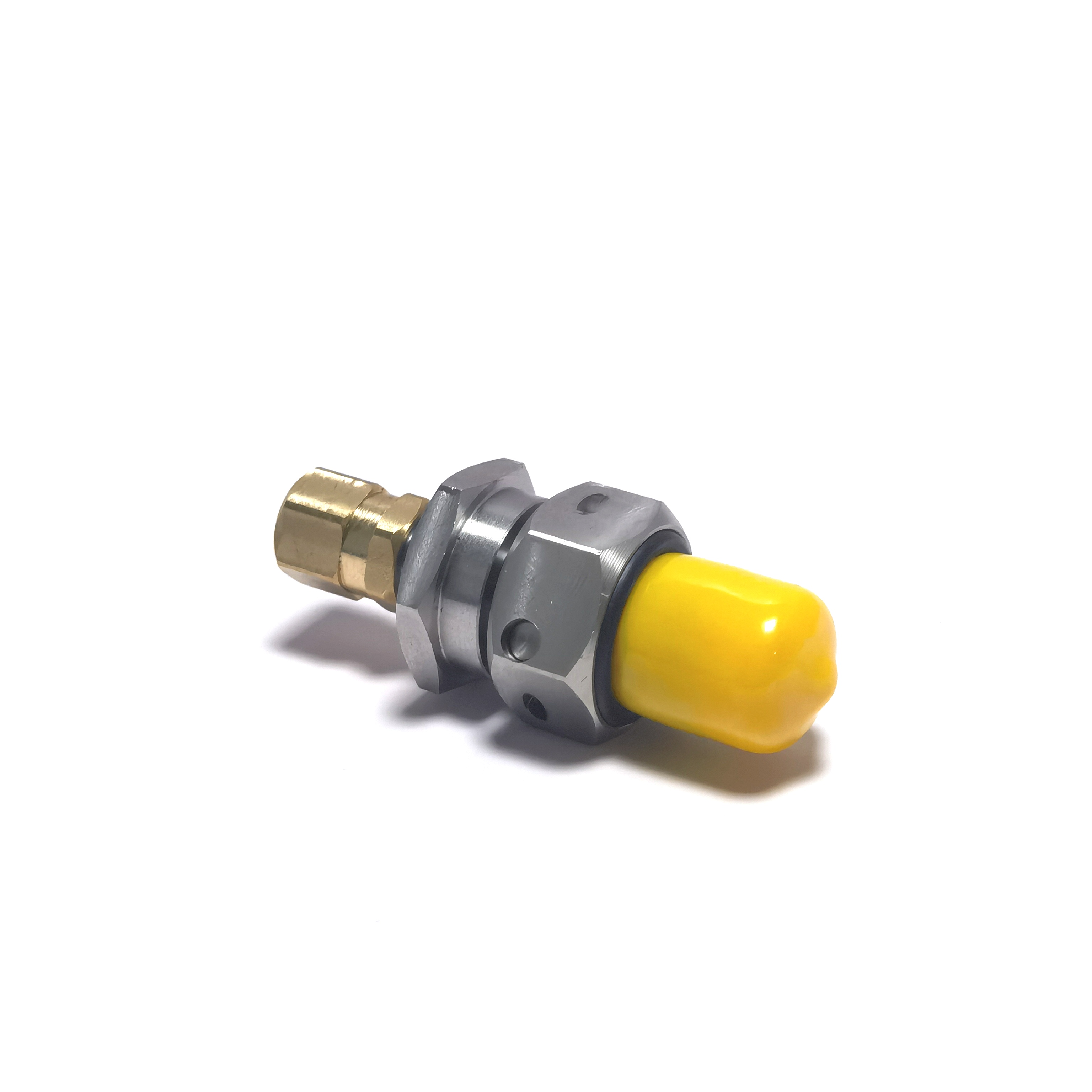
The housing starts with a one-piece forged alloy body that shrugs off rock strikes and vibration. Instead of bolted joints that loosen underground, the drifter uses a sealed impact chamber with a floating piston whose tolerances are held to a few microns. That eliminates internal wear points and keeps the percussion energy consistent from the first collar to the last round.
On long development rounds, heat and dust are what kill most drifters. This one routes flushing air through the front guide to cool the shank adapter while keeping cuttings out of the chuck. Seals are double-lipped and pressure-balanced, so they don’t swell or blow out when the water pressure spikes. The result is a tool that holds its blow frequency and rotation torque hour after hour, without mid-shift teardowns.
Precision Engineering That Turns Pressure into Progress
High-pressure environments expose design flaws quickly. Our approach treats pressure not as a threat to be resisted, but as a force to be redirected. By mapping every load path and stress point, precision engineering turns sudden surges into controlled motion—no wasted energy, no abrupt failures.
Tolerances, material grain, and surface finish are selected around real pressure profiles, not generic specs. The payoff shows up where it matters: systems that become more stable as load increases, delivering repeatable accuracy long after conventional designs start to degrade.
Why Smart Contractors Stop Searching After One Test Run
Most contractors treat a first test run as a sample to evaluate, but the sharp ones know when to call it. They are not looking for a flawless performance on day one; they are looking for a signal that the person on the other end communicates clearly, shows up on time, and owns mistakes without deflection. After a single job that runs smooth enough, they stop hunting. Why? Because the cost of switching to an unknown candidate — even one with a shinier portfolio — is rarely worth the risk of starting over.
That first run also exposes habits that no resume or phone call can reveal. A contractor who watches how a worker handles a surprise delay or a small material shortage learns more in four hours than in four weeks of interviews. Once that baseline trust is set, the smart move is to lock in the relationship and direct the saved time toward the next project, not another round of bids.
From First Blow to Final Depth: Zero Drop in Performance
Most impact tools look impressive in the first minute, then gradually lose rhythm as heat builds and seals fight back. This one holds its cadence from the opening strike to the moment the tip reaches final depth. Stroke rate, impact energy, and return speed stay level across long runs, so the job moves at one predictable pace instead of a strong start and a weak finish.
The difference comes down to how pressure and lubrication are managed. Instead of letting blow energy bleed off through thermal expansion or internal leakage, the system keeps the power path stable. That removes the usual mid-job drop and lets operators work to depth without adjusting technique or waiting for cool-downs. End result: the first blow and the last blow hit with the same authority.
The Supplier That Treats Your Downtime as Their Emergency
When our production line ground to a halt at 3 a.m. on a Sunday, I sent an email to our parts supplier expecting to hear back Monday morning. Instead, my phone rang before I'd even poured a second cup of coffee. Their on-call engineer asked for the error codes, walked me through a temporary workaround, and had a replacement component dispatched to our facility by dawn. That's not service; that's treating our downtime like their own building was on fire.
Most vendors promise "fast response," but this team has consistently proven it when it matters. They keep local stock of the critical items we can't afford to wait for, and their technical staff actually knows our equipment—down to the model variations and failure patterns. Last winter when a snowstorm shut down regional logistics, they rerouted a delivery through a neighboring state and had it handed to us at a truck stop. No contractor jargon, no excuses, just a solution before we had to explain the problem twice.
Working with them has changed how I think about supplier relationships. It's not about a catalog or a discount sheet anymore; it's about knowing that if a line stops, someone on the other end is losing sleep until it's running again. That peace of mind is worth more than any service-level agreement on paper.
FAQ
Focus on engineering depth, field support, and how their units hold up under sustained percussion. A supplier that pairs rock drills with well-matched carriers and offers real-time troubleshooting tends to deliver better drilling power in hard ground.
It maintains stable impact energy and blow frequency while reducing hydraulic losses. That means straighter holes, faster penetration, and less downtime when the rock gets tough.
Impact energy, blow frequency, rotation torque, and flushing pressure all play a role. But the real difference often comes from how well those are tuned to the rock type and drill string.
Even the best equipment wears. Quick access to spare parts, local service teams, and clear maintenance guidance can prevent a minor issue from turning into days of lost production.
Many models are adaptable, but you need to match the drifter class to the carrier, hole size, and working angle. The right supplier will help you configure the unit instead of just selling a standard package.
They ask about rock hardness, bench height, hole diameter, and existing fleet before recommending anything. Their answers reference specific use cases—quarrying, tunneling, foundation work—rather than generic specs.
Look beyond the data sheet. Test durability in similar rock, check the availability of hoses and seals, and talk to operators who have used the units for at least a season.
Regular greasing of the front end, monitoring hydraulic oil cleanliness, and inspecting shank bushings and seals. Skipping these can quietly rob impact energy.
Conclusion
When a drifter keeps biting through granite and quartzite without losing rhythm, you stop comparing spec sheets and start paying attention to the supplier behind it. The best hydraulic drifter supplier doesn't just ship you a tool—they deliver a way to finish impossible ground on schedule. The power is immediate, brutal when it needs to be, yet controlled enough to protect your string and rods. On the hardest rock, you feel each blow doing real work, not just making noise. And that power doesn't fade after the first hundred meters. The piston, seals, and accumulator are matched so tightly that heat and pressure stay where they should be, shift after shift. That's why crews stop checking the clock and start watching the depth gauge.
Precision engineering is what turns all that hydraulic pressure into straight, clean progress—no wandering, no wasted energy. Smart contractors understand this after one test run. The drifter holds its line, the penetration rate stays flat from first blow to final depth, and suddenly your cost-per-meter drops. But the real difference is what happens when something goes wrong. A supplier that treats your downtime as their emergency doesn't make you wait for a callback. They get a unit moving before you hang up, because they know a stopped rig burns money faster than a worn bit. That attitude is rare. Combine it with a drifter that simply refuses to quit, and you're no longer shopping for a supplier—you're building a long-term advantage.
Contact Us
Contact Person: Elma
Email: [email protected]
Tel/WhatsApp: +86 13738628777
Website: https://www.pulankagroup.com/