

Best Food Trailer Concepts Worth Following for Your Next Culinary Adventure
2026-11-16
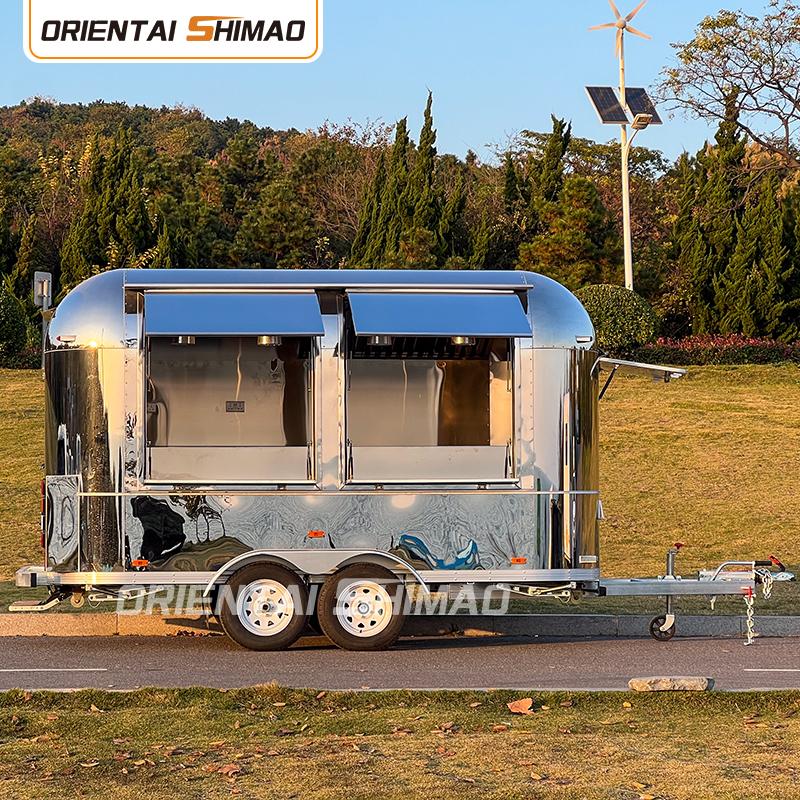
Chasing down the same old burger and taco trailers gets predictable fast. The real magic happens when a concept feels less like a menu on wheels and more like a journey you didn’t see coming. That’s exactly what the next wave of food trailers is serving—bold mashups, late-night niche cravings, and regional flavors wrapped in stories you can taste. Among the names turning heads right now, Oriental Shimao keeps proving that a trailer can carry serious culinary ambition without losing its street-level soul. If you’re ready to stop settling for convenient and start planning an actual culinary adventure, these are the concepts worth following. From unexpected ingredient pairings to menus built around a single obsession, here’s where the road gets interesting—and delicious.
Smoked meats and slow sauces from a trailer that never stays put
The first thing you notice is the smoke, curling out from a rig that might be parked by the railroad tracks on Tuesday and a gravel lot near the river by Friday. There is no fixed address, just a chalkboard menu propped against a tire and a line of people who found it through word of mouth. That uncertainty is part of the draw: the trailer moves, the meats stay slow, and the wood blend changes with whatever oak or pecan was split that week.
Brisket gets pulled from the smoker only when the bark looks right, not when the clock says so. The ribs keep a little chew, the pork shoulder falls apart under its own weight, and the turkey is brined long enough to stay moist without turning spongy. Portions are cut to order on a worn butcher block, and the paper they are served on soaks up fat before you find a place to sit on the curb or tailgate.
The sauces are made in small pots and never taste exactly the same twice. One batch leans heavy on black pepper and molasses, another gets a sharper edge from vinegar and dried chiles. They are meant to be spooned over the meat, not drown it. That slower, slightly unpredictable approach carries through everything, which is why following the trailer feels less like chasing a food trend and more like keeping a standing appointment with a cook who refuses to be pinned down.
Breakfast-for-dinner plates with a loyal late-night following
The griddle stays hot well past midnight at the corner diner, where breakfast-for-dinner isn't a gimmick so much as a ritual. Short stacks arrive with a spoonful of whipped brown butter and a side of bacon lacquered in maple and cracked pepper. Around 11 p.m. the counter fills up with nurses, cab drivers, and bartenders who've just clocked out, all of them ordering the same three things: eggs over easy, hash browns with the crispy edges left on, and rye toast that actually gets buttered to the corners.
What keeps the late crowd loyal isn't just the hour. The kitchen treats a two-egg plate with the same care most places reserve for a tasting menu, salting the tomatoes, warming the syrup, and never rushing a runny yolk. Regulars don't need to ask for extra napkins or a coffee refill; the server sets both down before the first bite. On rainy weeknights, the line stretches past the coat hooks, but nobody seems to mind waiting for a plate that tastes like Sunday morning.
One ingredient, six ways, served through a sliding window
The first thing you notice is the frame: a small metal opening that crops the kitchen into a narrow stage, steam drifting past the edge. A single ingredient, say celeriac or mackerel, moves through that window in six different states—raw, pickled, charred, whipped, crisped, and steeped into broth. Each plate arrives with no ceremony, just a pair of hands sliding it across the ledge before the window clicks shut again.
What makes the format feel less like a gimmick is the repetition. By the third course, your palate starts building a map of the ingredient: the root's mineral bite in one bowl echoes the smoky edge of the next, while a sauce made from its own trimmings ties the sequence together. The narrow window forces the cooks to be economical with movement, and that restraint carries over to the plates—small, precise, uncluttered.
Sitting outside or at a cramped counter, you stop waiting for variety and start noticing nuance. The sliding window becomes a kind of punctuation mark between courses, a brief mechanical scrape that resets your attention before the same ingredient returns in a shape you didn't expect.
Hand-pulled noodles and fiery broths in a parking-lot dinner party
The asphalt still held the day’s heat when the folding tables came out, and someone’s portable burner coughed to life under a floodlight. A cook from Lanzhou worked a rope of dough against the tailgate, stretching and slapping it into strands that hit the boiling pot seconds later. No one cared about the lack of a dining room; the air smelled of scorched chiles, black vinegar, and beef bones simmering since dawn.
Bowls moved hand to hand around the lot, the broth staining the Styrofoam red and numbing every lip it touched. Strangers traded napkins, swapped stories about which stall back home did it better, and went quiet only when the first slurp hit. By the time the propane ran low, the noodles were gone and a few people had already asked when the next one would happen.
Seasonal produce turned into bold handhelds before the market closes
The last hour at the stall is when the real cooking starts. Peppers with softening skins, heirloom tomatoes too ripe for tomorrow, and herbs that have started to wilt get folded into fillings that lean on acidity and heat rather than hiding behind sweetness. A quick char on the griddle gives the outside a crackle while the inside stays loud in flavor—smoked paprika, crushed garlic, a spoonful of pickled onion brine. Nothing precious, just fast decisions with whatever is left.
Handhelds made this way change by the week, sometimes by the day. On a Friday you might find charred corn and green chili tucked into a flattened flatbread with crumbled cheese and lime. The next market, roasted zucchini gets mashed with white beans and finished with toasted seeds for crunch. The common thread is a willingness to let the produce speak without overcooking it, and to wrap it in something that can be eaten standing up while the vendors are packing crates around you.
By closing bell, the best batches are gone before they have a chance to steam in their wrappers. That is the point: not a polished menu item, but a sharp, slightly messy answer to one simple question—how do you make the last of the season taste deliberate instead of leftover?
Dessert menus that borrow from cereal boxes and corner-store candy
There is a particular thrill in seeing a bowl of cereal reimagined as something you eat with a spoon at eleven at night, except now the milk has been steeped with toasted cornflakes and turned into a custard. Pastry chefs have started treating the bottom shelf of the cereal aisle less as a guilty pleasure and more as a flavor library. The result is a dessert menu where Froot Loops are not a topping but a steeped cream, where peanut butter crunch becomes a semifreddo base, and where the neon colors of childhood are muted into something almost sophisticated.
Corner-store candy works the same way. A chocolate bar that used to cost seventy-five cents at the bodega might show up as a frozen mousse layered with caramelized puffed rice, or as the filling inside a dark chocolate tart that cuts the sugar with a hit of sea salt. The names stay familiar, but the textures are rebuilt from scratch. You recognize the hint of nougat or the crunch of crisped rice, yet the dessert behaves more like a composed plate than something unwrapped from foil.
What makes these menus work is that they do not lean entirely on nostalgia. The best versions treat the cereal box and the candy wrapper as source material, then pull them apart: the maltiness of one, the artificial fruit note of another, the waxiness of a chocolate coating. Once those flavors are isolated, they can be paired with brown butter, burnt honey, toasted nuts, or a sharp cultured cream. The past feels familiar, but the plate in front of you is built for a different kind of craving.
FAQ
It usually comes down to a sharp point of view. The best ones commit to one dish or one regional style instead of trying to please everyone, so you remember exactly why you showed up.
I keep seeing tiny operations built around a single ingredient, like hand-pulled noodles, charcoal-grilled oysters, or Basque burnt cheesecake. The narrow focus gives them room to get weird and very good at one thing.
They treat movement as part of the meal. Many post weekly routes, tease limited batches, and lean on regulars who show up early. It feels less like chasing a business and more like catching a band on tour.
Georgian khachapuri, Oaxacan tlayudas, and regional Indonesian sambal-based plates all work beautifully because they rely on a few high-impact components that can be prepped in tight spaces.
Only if it's real. A family recipe or a specific trip that sparked the idea gives people something to talk about while they eat, but a fake-sounding backstory tends to fade fast.
Smaller than most owners think. Even three or four items can hold up if there's enough variation through specials, rotating sauces, or seasonal ingredients that change just enough to pull you back.
Beyond breweries and farmers markets, check night markets, industrial district lunch stops, and small town festivals. Some of the best finds are parked outside hardware stores or tucked into a nursery on weekends.
Pick a loose route rather than a strict schedule. Follow a few trailers you trust, note their usual neighborhoods, and leave gaps because the best meal often comes from a hand-painted sign you didn't plan for.
Conclusion
Some of the most memorable meals on wheels right now refuse to sit still, both literally and creatively. A trailer built around smoked meats and slow sauces drifts from one corner of town to the next, pulling in people who track its location just to get a taste of brisket that has been tended for hours. Nearby, a late-night crowd lines up for breakfast-for-dinner plates, drawn by runny eggs, griddled pancakes, and hash that taste better after dark. There is also a sliding-window setup that takes a single ingredient and reworks it six different ways, proving that limits can push a cook toward sharper ideas. At the farmers market, seasonal produce gets folded into bold handhelds before the stalls close, turning whatever is ripest into something you can eat on the move.
Then there are the trailers that treat a parking lot like a communal dinner party, with hand-pulled noodles and fiery broths steaming under string lights while strangers share picnic tables and chopsticks. For dessert, the playfulness gets even more direct: menus borrow from cereal boxes and corner-store candy, rebuilding childhood flavors into grown-up sweets that feel familiar and a little unexpected. These concepts are worth following because they do more than serve food. They lean into movement, scarcity, seasonality, and nostalgia, giving each visit a small sense of discovery. If your next culinary adventure needs a reason to hit the road, pick one of these trailers, track it down, and let the window decide what you are eating.
Contact Us
Contact Person: Jack Wang
Email: [email protected]
Tel/WhatsApp: 8618306483516
Website: https://www.orientalshimaofoodtruck.com